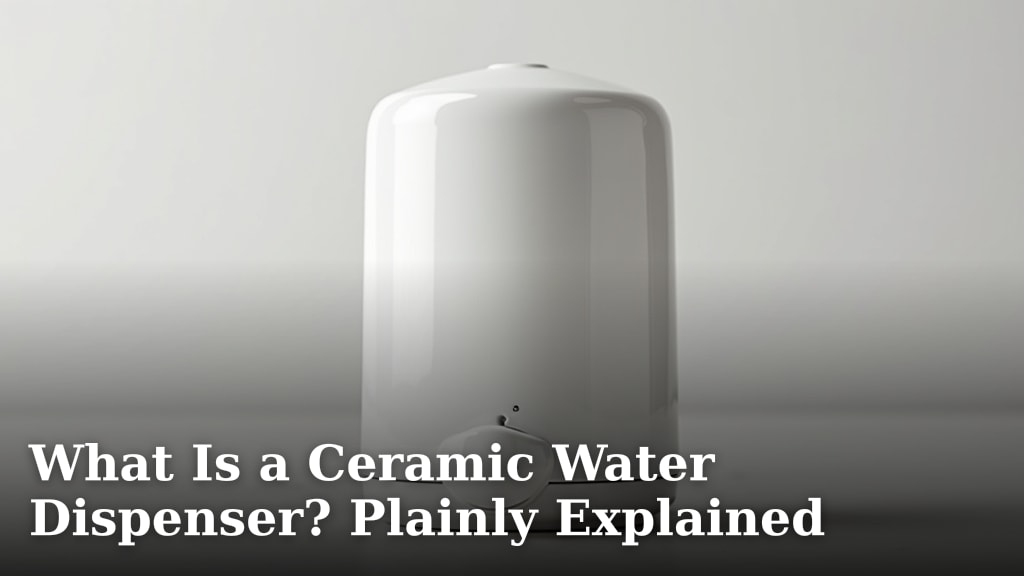
What Is a Ceramic Water Dispenser? Plainly Explained
A ceramic water dispenser is a container, often made from glazed clay, that holds and dispenses water for drinking. It uses a simple, non-electric design, typically with a spigot and a lid. You pour water into the top, and it flows out from the bottom for easy access.
This type of dispenser is popular for keeping water cool without a fridge. Many people choose it because the ceramic material can feel more natural and traditional. We found that it works by using gravity and a basic filter, often made of stone or ceramic itself, to clean the water as it flows.
- A ceramic water dispenser is a non-electric, gravity-fed container for holding and dispensing water.
- It typically uses a porous clay or stone filter to naturally cool and purify the water.
- These dispensers are often chosen for their simple design, aesthetic appeal, and lack of need for electricity.
- They can be a good option for a traditional, low-tech way to have cool drinking water at home.
- They are not a substitute for advanced purification if your tap water is unsafe.
Below, we break down exactly how a ceramic water dispenser works, what to look for when buying one, and the pros and cons you should know about. Let’s walk through it together.
Understanding the Ceramic Water Dispenser: A Simple Guide
A ceramic water dispenser is a classic, low-tech way to store and serve cool drinking water. It’s a large pot, usually with a spigot at the bottom and a lid on top. You fill it, and it keeps your water accessible and naturally chilled.
How It Works: Gravity and Clay
The operation is brilliantly simple. You lift the lid, pour in tap or filtered water, and close it. Water sits inside the main chamber. When you turn the spigot, gravity pulls the water down and out into your glass.
Many models include a **filter element** inside. This filter, often made of porous stone or ceramic itself, sits in the neck of the dispenser. Water passes through it on the way down. The tiny pores in the filter material trap larger particles like sediment and rust. Think of it like a very fine sandpiper that catches grit while letting water flow through.
Does It Actually Cool the Water?
Yes, but not like a refrigerator. The cooling comes from the **porous ceramic material**. If you wet the outside of the dispenser, water seeps through and evaporates from the surface. This evaporative process draws heat away from the water inside, making it feel cooler to the touch. It’s the same principle as sweating. In a dry climate, this effect works well. In high humidity, it’s less noticeable.
What Are These Dispensers Made Of?
Material matters a lot. The clay body isn’t just for looks; it plays a key role in function and durability.
The Main Body: Glazed vs. Unglazed
You’ll often see two main types:
- Glazed Ceramic: The exterior (and sometimes interior) has a shiny, waterproof coating. It’s easier to clean and resists stains. The cooling effect is usually on the **unglazed base or reservoir**, if present.
- Unglazed Terracotta: This is raw, porous clay. The entire outer surface can sweat and cool the water. It’s more traditional but may need more careful cleaning to prevent mold or mineral buildup.
Important Internal Parts
Two components are essential for hygiene and function:
- The Spigot: This is your tap. Look for one that’s easy to remove for cleaning. Plastic is common, but stainless steel is more durable.
- The Filter: The heart of the purification process. Ceramic or stone filters need cleaning. They don’t last forever and must be replaced periodically to work effectively.
Why People Choose a Ceramic Dispenser
In a world of smart fridges and fancy water bottles, why stick with clay? We found several compelling reasons based on user reviews and expert advice.
The Advantages You’ll Appreciate
For the right setting, these benefits are hard to beat:
- No Electricity Needed: It works anywhere—during a power outage, on a cabin porch, or in a garage.
- Natural Cooling: Provides cool water without the constant hum or energy draw of a refrigerated unit.
- Aesthetic Appeal: It often serves as a **beautiful centerpiece**. The rustic or artisanal look adds character to a kitchen or patio.
- Taste Preference: Many people swear that water stored in clay tastes “crisper” or “earthier.” While subjective, it’s a common sentiment.
Key Considerations Before You Buy
This isn’t the right choice for everyone. Let’s be honest about the trade-offs. You need to consider your lifestyle, climate, and water source.
Know These Limitations
Be realistic about what a ceramic dispenser can and cannot do:
- It’s Not a Purifier: A basic ceramic filter removes sediment. It does **not** remove bacteria, viruses, heavy metals, or most chemicals. The CDC clearly states that ceramic filters alone are not sufficient for unsafe water.
- Fragility: It’s ceramic. If it tips over or gets hit, it will likely break. This isn’t a great choice for homes with rambunctious pets or toddlers.
- Maintenance is Required: You must regularly clean the tank, spigot, and filter. If neglected, **mold or algae can grow** inside the damp, dark environment. If manual cleaning is a concern, a self-cleaning water dispenser might be worth considering.
How to Choose the Right Dispenser
Shopping for one? Let’s break down the decision into simple steps. Focus on these features.
Size and Capacity
Think about your daily water intake. A single person might be fine with a 2-gallon model. A family of four will likely need a **3 to 5-gallon dispenser**. Bigger isn’t always better; consider how heavy it will be when full. Water weighs about 8 pounds per gallon.
Filter Type and Cost
This is critical. Check what kind of filter system the dispenser uses. How often does it need replacement? What is the ongoing cost of new filters? Some proprietary systems can be expensive over time.
Design and Cleanability
Look for a design that allows easy access to the interior for scrubbing. A wide mouth is a plus. Check if the spigot can be fully disassembled. Smooth glaze is easier to wipe down than a highly textured surface.
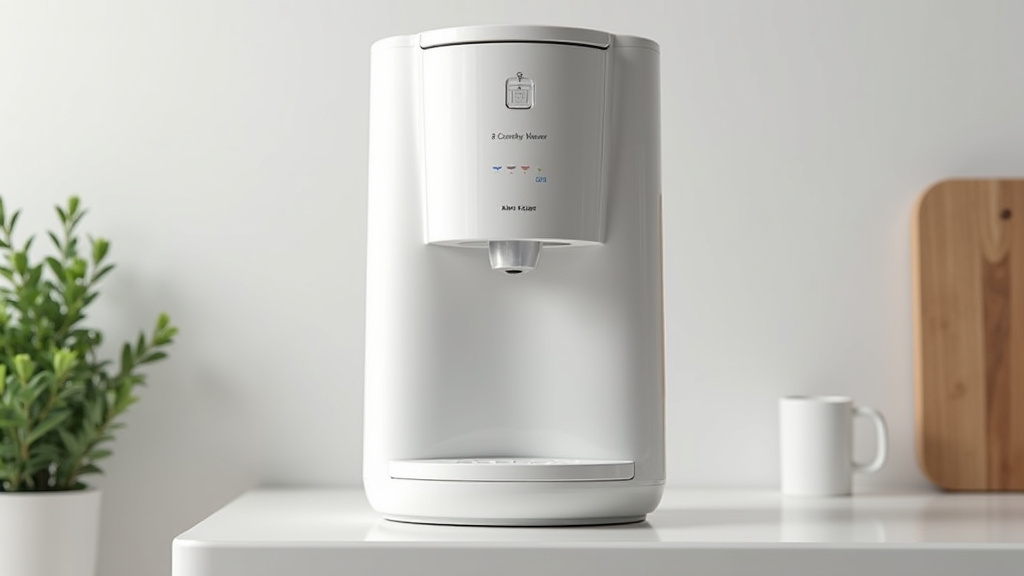
Comparing Common Water Dispenser Types
How does a ceramic model stack up against other popular options? This table gives a quick overview. For instance, a plumbed water dispenser offers a direct-line alternative for continuous filtration.
| Feature | Ceramic Dispenser | Plastic/Insulated Jug | Refrigerator Pitcher |
|---|---|---|---|
| Cooling Method | Evaporative (passive) | Ice or Refrigeration | Refrigeration |
| Electricity Needed? | No | No (for ice) | Yes |
| Filtration | Basic sediment filter | Often none | Often includes filter |
| Aesthetics | Traditional, decorative | Simple, functional | Modern, sleek |
| Durability | Fragile if dropped | Very durable | Glass can break |
| Best For | No-electricity settings, style | Rugged use, outdoor | Convenience, cold water |
Maintenance Made Simple
To keep your dispenser working well and your water tasting fresh, a little routine care goes a long way. It’s easier than you think.
Your Regular Cleaning Checklist
Follow this list to keep things hygienic:
- Empty and Rinse Weekly: Don’t let water sit for more than a week without refreshing.
- Scrub with Vinegar Solution: Use a mix of white vinegar and water to wipe the interior. It helps dissolve mineral deposits.
- Clean the Spigot Monthly: Soak it in the vinegar solution and use a small brush to scrub the valve.
- Replace the Filter on Schedule: Mark your calendar. A clogged filter slows water flow and becomes less effective.
- Let It Dry Thoroughly: After cleaning, leave it open and air-dry completely before refilling.
Is a Ceramic Dispenser Right for Your Home?
It comes down to your priorities. If you value a **traditional, non-electric design** and appreciate the aesthetic, it’s a wonderful choice. You’ll need to commit to regular cleaning and understand its limitations for water purification.
Many experts suggest it as a **supplemental water station**, perhaps in a dining room or patio, rather than the sole source of drinking water. For a primary source, especially if your tap water isn’t perfect, you might pair it with a more advanced pre-filter system at the sink. We found that users who enjoy the ritual and the look often become very attached to their ceramic dispenser.
Final Thought: It’s About Lifestyle
This isn’t just about getting water. It’s about choosing a slower, more intentional way of doing things. It connects you to a method people have used for centuries. If that idea appeals to you, and you don’t mind the upkeep, a ceramic water dispenser might be a perfect addition to your home.
Conclusion
A ceramic water dispenser offers a charming, electricity-free way to have cool drinking water. It works through simple gravity and evaporation. We found it’s best for those who value traditional design and don’t mind regular upkeep. It is not a high-tech solution for purifying unsafe water. Your choice should match your climate, style, and willingness to clean it. If you appreciate a low-tech method and your water source is already safe, this dispenser can be a perfect, stylish addition to your home.
Frequently Asked Questions
How long can water sit in a ceramic dispenser before it needs to be changed?
You should empty and refill the dispenser about once a week. Do not let water stagnate for longer. This practice prevents the growth of bacteria or mold in the damp, dark interior of the tank.
Can I use the dispenser if I have very hard water?
Yes, but you will notice more mineral buildup, or white scale, on the inside. You’ll need to clean it more frequently with a vinegar solution. The scale isn’t harmful but can affect appearance and potentially clog the filter faster.
Do I need to filter my tap water before pouring it into the ceramic dispenser?
For the best taste and to reduce cleaning, using pre-filtered water is a good idea. The ceramic filter inside mainly removes sediment. If your tap water has a strong chlorine taste or odor, pre-filtering can help improve the final taste.
Where is the best place to put a ceramic water dispenser in my home?
Place it on a stable, level surface away from direct sunlight. Sunlight can promote algae growth. A cool corner of your kitchen, a pantry, or a shaded patio are all excellent locations for it to function properly.
How do I know when to replace the ceramic filter inside?
You will notice the water flow becomes much slower. This means the filter’s pores are clogged with trapped particles. Most manufacturers recommend replacing the filter every 3 to 6 months, depending on your water quality and usage.