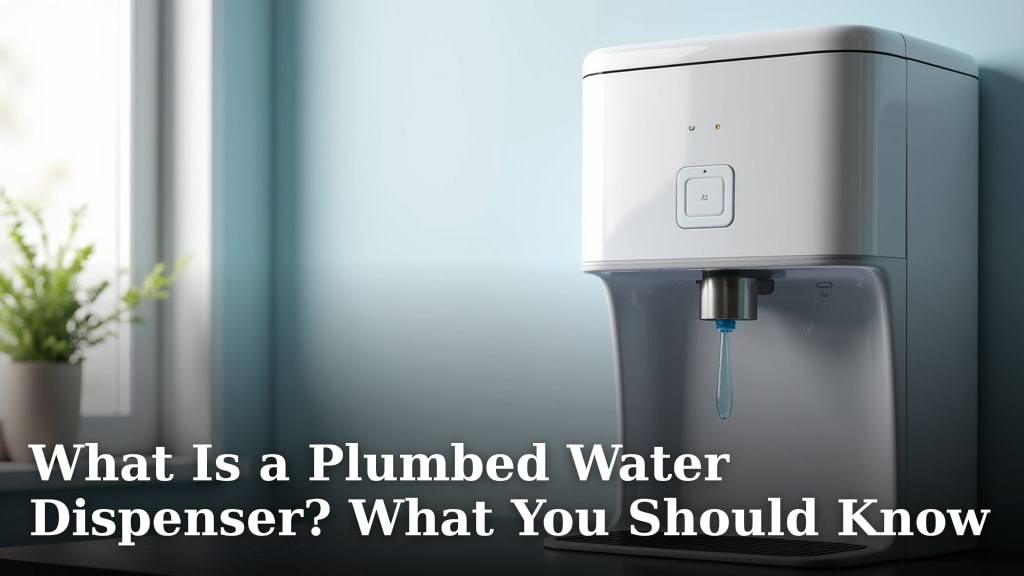
What Is a Plumbed Water Dispenser? What You Should Know
Understanding a Plumbed Water Dispenser: The Direct-Line Option
A plumbed water dispenser is a hydration station that connects directly to your home’s cold water line, just like your refrigerator or dishwasher. It filters and dispenses water on demand, eliminating the need for heavy bottles. Think of it as having a dedicated, filtered water tap right on your countertop or freestanding in your kitchen.
How the Connection Actually Works
The setup is simpler than you might imagine. A small plastic tube, called a supply line, runs from a valve on your home’s cold water pipe. This valve is often found under the kitchen sink. The tube connects to the base of the dispenser. Water flows from your pipe, through the tube, and into the unit’s internal reservoir whenever you need it.
The Role of the Built-In Filter
Most plumbed dispensers have a **multi-stage water filter** inside. As water enters the unit, it passes through this filter first. This process removes common impurities like chlorine, sediment, and lead, improving taste and odor. The CDC notes that point-of-use filters can be effective at reducing certain contaminants. You then get cold (and sometimes hot) water at the touch of a button.
Key Components of the System
Every plumbed dispenser system has a few core parts. Understanding them helps you see what you’re really getting.
- Water Supply Valve: The small shut-off valve where you tap into your cold water line.
- Tubing: Usually polyethylene, this carries water from the valve to the dispenser.
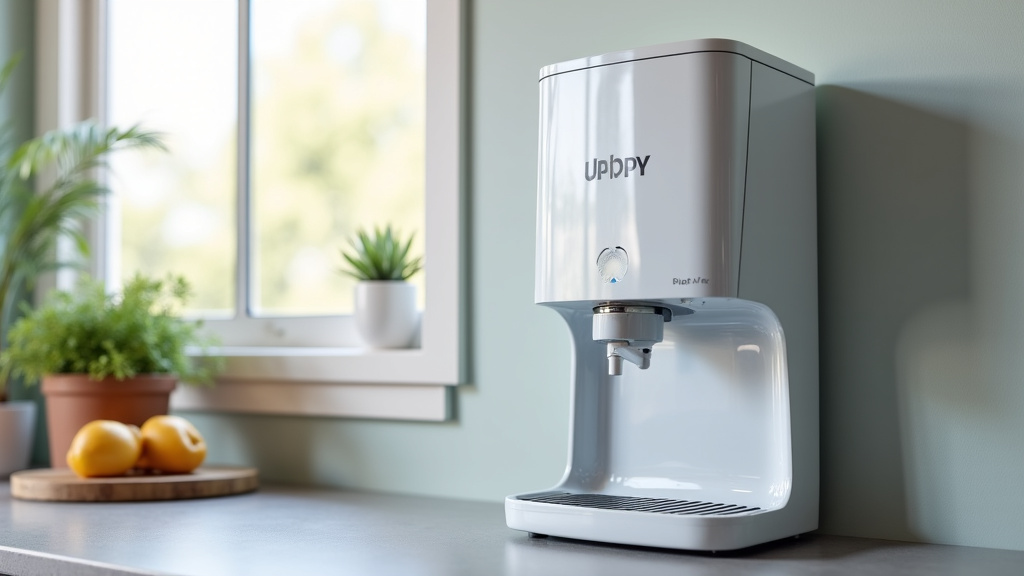
- Dispenser Unit: The appliance itself, containing the filter, cooling/heating system, and spigots.
- Drip Tray: Catches spills and overflow, just like a refrigerator’s.
Plumbed vs. Bottled Water Dispensers: A Clear Comparison
The biggest difference is your water source. Plumbed units pull from your tap, while bottled dispensers rely on delivered 3- or 5-gallon jugs. This single distinction impacts cost, convenience, and environmental footprint. Let’s break it down.
| Feature | Plumbed Water Dispenser | Bottled Water Dispenser |
|---|---|---|
| Water Source | Your home’s cold water line | Pre-filled water bottles (3 or 5 gallons) |
| Upfront Cost | Higher (unit + installation) | Lower (unit only, often free with service) |
| Ongoing Cost | Lower (electricity + filter changes) | Higher (bottle delivery fees) |
| Convenience | No bottle changes; set-and-forget | Requires scheduling delivery and lifting bottles |
| Environmental Impact | Lower (no plastic bottle waste) | Higher (bottle production and transport) |
| Space Requirement | Needs proximity to a water line and outlet | Can be placed anywhere with an outlet |
Who Each Type Serves Best
A bottled dispenser might suit a small office or a rental with no easy plumbing access. However, for a permanent home setup, a plumbed unit often wins on long-term value and convenience. You never run out of water or have to haul a heavy jug from the doorstep. It’s always there, ready for a glass, a pitcher, or filling a pot for pasta.
The Real Benefits: Why People Choose Plumbed Models
So, what makes this direct-line option so appealing? We found the advantages cluster around three main areas: cost, convenience, and sustainability.
Significant Long-Term Savings
The upfront investment pays off over time. Once installed, your main cost is electricity and replacing the filter every 6 months or so. According to various consumer analyses, the cost per gallon from a plumbed dispenser can be **over 50% less** than the price of bottled water delivery. Your wallet notices the difference after the first year.
Unmatched Convenience and Space
No more waiting for a delivery. No more storing bulky bottles in a closet. You simply turn on the tap. This is especially valuable in kitchens or office break rooms where space is at a premium. A plumbed dispenser provides a steady stream without consuming floor space for bottle storage.
A More Sustainable Choice
Reducing single-use plastic is a common goal. Using a plumbed dispenser directly supports this by eliminating plastic bottle waste. A family can easily avoid using hundreds of plastic bottles a year with this switch. It’s a tangible step toward a lower-waste lifestyle.
What About Installation? Is It a DIY Job?
This is a key consideration. While not overly complex, it’s more involved than just plugging in an appliance. The process involves tapping into your water supply.
The Basic Installation Steps
Most installations follow a similar pattern. You’ll locate the cold water line under the sink, install a saddle valve or tee fitting, run the tubing up to the dispenser’s location, and connect it. The final step is a leak check.
- **Shut off the main water supply** before starting.
- Drill a hole in the cabinet for the tubing, if needed.
- Securely attach the valve to the pipe.
- Connect all tubing and the dispenser, then slowly restore water pressure.
Professional Help: When to Call a Plumber
If you’re uncomfortable with basic plumbing or if the water line is hard to access, a plumber is a wise investment. A professional can ensure a **leak-free, secure connection**. This gives you peace of mind and protects your home from water damage. Many manufacturers also recommend professional installation to keep the warranty valid.
Maintenance and Filter Changes: What’s Involved?
Keeping your dispenser running well is straightforward. The most important task is replacing the water filter on schedule. A clogged filter slows water flow and reduces purification effectiveness.
How Often to Change the Filter
Most filters are rated for about **2,500 gallons or 6 months of use**, whichever comes first. For a typical household, this means changing it twice a year. The dispenser may have an indicator light to alert you. Sticking to this schedule ensures your water tastes fresh and stays clean.
Regular Cleaning for Hygiene
Wipe the spigots and drip tray regularly. Once a quarter, you can sanitize the reservoir and lines using a vinegar-water solution as directed in your manual. This prevents bacteria or mineral buildup inside the system. It’s a simple step that keeps your drinking water safe.
Is a Plumbed Water Dispenser Right for You? A Quick Checklist
Before you decide, run through this list. It helps match the dispenser to your needs and home setup.
- ✅ You have a accessible cold water pipe (like under a kitchen sink).
- ✅ You want to eliminate the hassle of buying and lifting water bottles.
- ✅ You prefer a **lower long-term cost** over a low upfront price.
- ✅ You value reducing plastic waste in your household.
- ✅ You are comfortable with simple annual maintenance or hiring help.
- ✅ You have a nearby electrical outlet for the cooling/heating system.
If you checked most of these boxes, a plumbed water dispenser could be a fantastic upgrade. It brings the convenience of a refrigerator water line to any spot you choose, with the added benefit of filtration. For many, it’s a quiet workhorse that makes staying hydrated effortless.
Conclusion
A plumbed water dispenser is a direct-line system that brings filtered water from your home’s pipes right to your countertop. You gain the advantages of long-term savings, daily convenience, and less plastic waste. Installation is a key step, but the ongoing benefits often outweigh the initial setup. If you want to move away from bottled water and enjoy a steady supply, this option is worth considering. Check your plumbing access and think about your daily needs, then take the next step to explore models that fit your space.
Frequently Asked Questions
How much does a plumbed water dispenser typically cost?
The upfront cost includes the unit and installation, which can range from a few hundred to over a thousand dollars. You should also factor in ongoing expenses like electricity and filter replacements every six months. However, many users find the lower long-term costs compared to bottled water delivery make it a smart investment.
Can I install a plumbed water dispenser myself?
Some people with basic plumbing skills can handle the installation, as it involves tapping into a cold water line. However, if you’re unsure or the plumbing is hard to reach, hiring a plumber is a safer choice. This helps avoid leaks and keeps your warranty valid, giving you peace of mind.
How often should I change the filter in a plumbed dispenser?
Most filters need changing every 6 months or after about 2,500 gallons of water use, whichever comes first. Your dispenser may have an indicator light to remind you. Sticking to this schedule ensures your water stays clean and tastes fresh.
Is the water from a plumbed dispenser safe to drink?
Yes, when maintained properly, the built-in filter removes common impurities like chlorine and sediment. According to the CDC, point-of-use filters can reduce certain contaminants effectively. Regular filter changes and cleaning help keep the water safe and good-tasting.
What if I move to a new home with a plumbed dispenser?
You can typically take the dispenser with you, but you’ll need to disconnect and reconnect it to the plumbing in the new location. It’s similar to installing it from scratch, so you may want professional help. Checking the new home’s water line access beforehand is a good idea to ensure a smooth setup.