What Is a Top Load Water Cooler? What You Need to Know
On this page (5 sections)
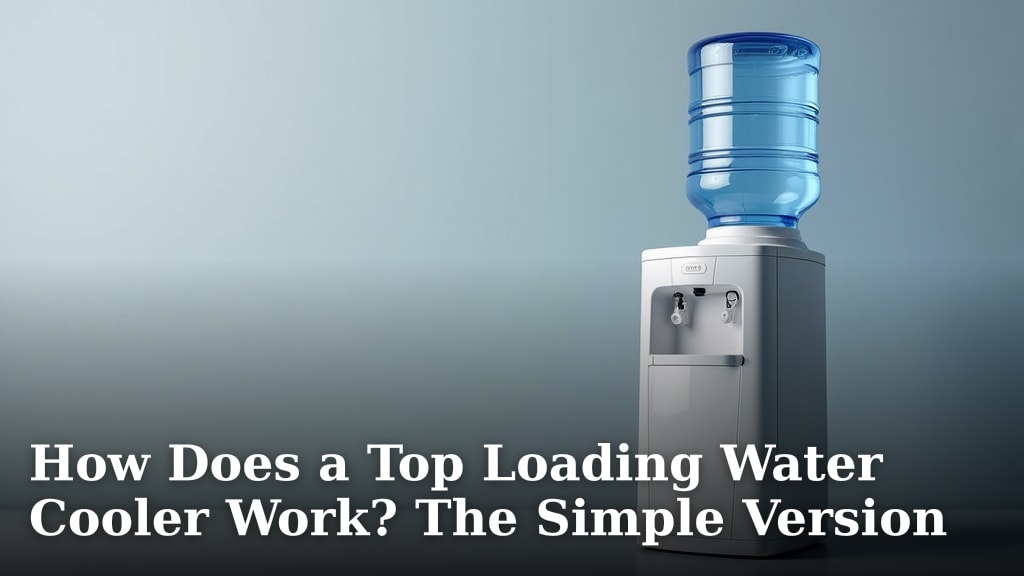
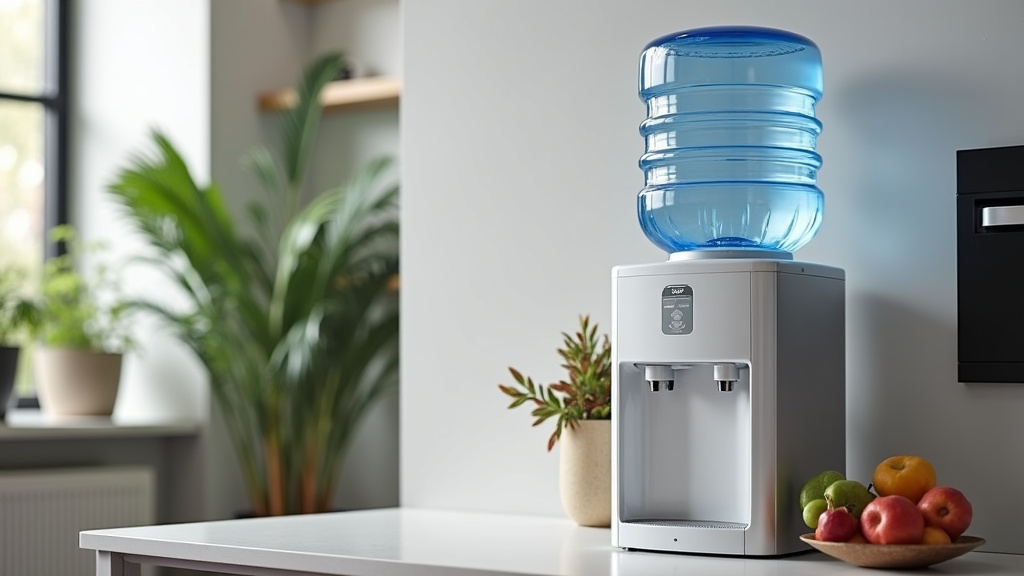
A top load water cooler is a common type of water dispenser that holds a large water bottle, called a carboy, on top. It uses gravity to send water down to the heating and cooling elements. This makes it a simple and popular choice for homes and offices needing convenient access to both hot and cold water.
These dispensers are known for their ease of use and straightforward setup. You simply lift the heavy bottle and place it onto the cooler. Many models also feature indicator lights, showing when the water is ready to drink, and a spill-proof collar to help keep things tidy. They’re a reliable way to ensure you always have purified water available.
- Top load water coolers have a bottle that sits on top.
- They use gravity to deliver water.
- They are known for being simple and easy to use.
- Look for features like indicator lights and spill-proof collars.
Let’s walk through exactly what you need to know about top load water coolers, from how they work to what to look for when buying one.
Understanding Top Load Water Coolers
A top load water cooler is a popular and straightforward choice for getting hot and cold water. You place a large water bottle, called a carboy, on top of the unit. It’s a classic design many people are familiar with. We found these coolers are a favorite for good reason – they work well and are easy to set up.
How does it work? Think of it like a simple gravity system. The weight of the bottle pushes water down into the cooler’s tanks. One tank holds water for heating, and another holds water for cooling. This makes them reliable and accessible for everyday use. You don’t need special plumbing, just a place to plug it in. A point-of-use water cooler connects directly to a water line.
How a Top Load Cooler Delivers Water
The process is quite simple. When you press a tap or lever, you create an opening. Gravity then does its job, pulling water from the bottle into the cooler. The water flows through internal pipes to either the heating element or the cooling reservoir. This gravity-fed system is why they are so reliable. There are fewer moving parts to break down.
Many people wonder about the heating and cooling. Inside, there’s a thermostat that keeps the water at the right temperature. For hot water, it heats up to around 190-200°F (88-93°C). For cold water, it chills it down to about 40-50°F (4-10°C). This means you’re ready for a hot cup of tea or a cold drink of water anytime.
The Role of Gravity
Gravity is the main engine of a top load cooler. The weight of the full bottle is key. It presses down, pushing water into the machine. When the bottle is nearly empty, the water flow will naturally slow down. This is a good visual cue that it’s time to replace the bottle.
Heating and Cooling Components
Internal components handle the temperature control. A heating element sits in one tank, while a refrigeration system cools another. These systems are designed to be energy-efficient. They only work when needed to maintain the set temperatures. You can often turn off the heating or cooling if you don’t need it, saving energy.
Setting Up and Using Your Top Load Cooler
Getting a top load water cooler ready is usually a breeze. You’ll need a dedicated spot for it. It should be near an electrical outlet and on a level surface. Ensure there’s enough space around it for ventilation. Most people find setup takes less than 15 minutes.
Replacing the Water Bottle
This is often the most physically demanding part. You’ll need to lift a heavy bottle and place it upside down on the cooler. Many coolers come with a spill-proof collar. This collar helps prevent water from splashing out during the change. Some people find it easier to ask for help or to lay the bottle down first.
A common tip is to place the bottle on its side next to the cooler, then lift and place it. Some newer models even have a pump assist or a button to help with the process. It’s worth checking reviews to see how easy bottle changes are for a specific model. We found that a little practice makes it much smoother.
First-Time Use and Sanitization
Before you drink the water, it’s important to rinse the system. Most manufacturers recommend running several gallons of water through the hot and cold taps. This flushes out any dust or residue from manufacturing and shipping. You can use the first few gallons for watering plants. This step ensures clean and fresh-tasting water from the start.
Some models may also suggest a sanitization process. This usually involves a cleaning solution. Always follow the manufacturer’s instructions carefully. Regular cleaning is key to maintaining water quality and the cooler’s performance. Experts at the CDC suggest regular cleaning of water dispensers to prevent contamination (CDC). Some models may also suggest a sanitization process to keep the water pure.
Daily Operation and Features
Operating your cooler is as simple as selecting hot or cold water. Most units have easy-to-use taps or buttons. Many also include indicator lights. These lights show you when the water is hot or cold and ready to dispense. Some models even have child-safety locks for the hot water tap. This is a great feature for families with young children.
You might also see models with a built-in night light. This makes it easy to find the cooler in a dark room. Energy-saving modes are also common. These can help reduce electricity consumption. Think about which features are most important for your household’s needs.
Choosing the Right Top Load Water Cooler
When you’re shopping, a few things can help you make the best choice, including these top load cooler pros and cons. Consider the size of the cooler and how much water you’ll use. Also, think about the features that matter most to you and your family.
Capacity and Dispensing Rates
Bottles typically come in 3-gallon and 5-gallon sizes. A 5-gallon bottle is generally more economical. It means fewer bottle changes. Think about how many people will be using the cooler. A busy office might go through bottles much faster than a small household. We found that most standard coolers can dispense about 1 gallon of hot water per hour and 2 gallons of cold water per hour.
Energy Efficiency
Water coolers use electricity to heat and cool. Look for models with energy-saving features. Some coolers have timers or a thermostat that allows you to turn off the heating or cooling when not in use. This can significantly reduce your energy bill. Check the cooler’s energy rating if available. This gives you an idea of its power consumption.
Key Features to Look For
Here’s a quick checklist to help you decide:
- Bottle Type: Standard 3 or 5-gallon bottles.
- Spill Prevention: A collar or other system to minimize mess.
- Indicator Lights: To show heating/cooling status.
- Child Safety Lock: Essential for households with children.
- Noise Level: Some units can be a bit noisy when cooling.
- Ease of Cleaning: Removable drip trays make maintenance simpler.
A well-chosen cooler can provide years of convenient access to refreshing water. It’s an investment in hydration for your home or office. We think focusing on these key elements will lead you to a great purchase.
Conclusion
You’ve learned that a top load water cooler is a simple, reliable way to get hot and cold water. Its gravity-fed system and ease of use make it a popular choice for many homes and offices. Remember to consider bottle capacity, energy efficiency, and features like child locks when choosing yours. By focusing on these points, you can confidently select a cooler that meets your hydration needs. Your next step is to identify the specific features that will best serve you and then find a model that fits those requirements for years of convenience.
Frequently Asked Questions
How often should I clean my top load water cooler?
Most manufacturers recommend a thorough cleaning every 3 to 6 months. Regular cleaning helps maintain water quality and prevents mineral buildup. You can usually clean it yourself by following the manufacturer’s instructions or hire a service if preferred.
Can I use any size water bottle with a top load cooler?
Top load coolers are designed for standard 3-gallon or 5-gallon water bottles (carboys). Using bottles that are too small or oddly shaped might not work correctly and could even damage the cooler. Always check your cooler’s specifications for compatible bottle sizes.
What is a spill-proof collar, and do I need one?
A spill-proof collar is a ring that fits around the bottle opening and the cooler’s neck. It helps catch any water that might spill when you replace the bottle. While not strictly necessary, we found they make bottle changes much cleaner and are a helpful feature for most users.
Are top load water coolers noisy?
The cooling compressor can make some noise, similar to a refrigerator. Newer models are often designed to be quieter. You can usually hear it cycle on and off to maintain the cold water temperature. Reading reviews for specific models can give you a good idea of their noise level.
Can I turn off the hot or cold water features to save energy?
Yes, many top load water coolers allow you to turn off the heating or cooling independently. This is a great energy-saving feature if you don’t need hot water at night or cold water during colder months. Look for power switches on the back or side of the unit.