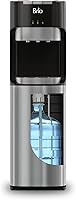
How Does Water Flow in a Bottom Load Cooler? What to Know
On this page (9 sections)
- Understanding Water Flow in Your Bottom Load Cooler
- The Heart of the System: The Pump and Bottle Connection
- From Bottle to Tap: The Water’s Journey
- What Happens When You’re Not Dispensing?
- Common Questions About Bottom Load Flow
- Comparing Water Flow: Bottom vs. Top Loaders
- Tips for Maintaining Your Cooler’s Water Flow
- Conclusion
- Frequently Asked Questions
Water flows in a bottom load cooler thanks to a simple gravity and pressure system. A bottom-load cooler pump pushes water up from the bottle into the heating or cooling reservoir when you dispense a drink. This process ensures you always have chilled or hot water ready. It’s a clever design for effortless hydration.
This type of water cooler hides the bulky water bottle from view. This offers a cleaner, more attractive appearance in your home or office. The bottle sits on the floor, and the cooler mechanism takes over from there. It’s a practical way to keep water accessible.
- Gravity and a pump make water flow up.
- The bottle is hidden for a tidier look.
- Dispensing triggers the water movement.
- It’s an efficient way to get hot or cold water.
Let’s walk through exactly how this happens, so you understand your bottom load water cooler a little better.
Understanding Water Flow in Your Bottom Load Cooler
You might be curious about how that water bottle on the floor magically turns into a refreshing drink. It’s a clever system that uses simple physics and a small pump. We’ll break down exactly how your bottom load cooler delivers hot and cold water with ease.
The Heart of the System: The Pump and Bottle Connection
Unlike top-loading coolers, your bottom load unit hides the water bottle completely. This keeps your space looking neat. But how does the water get from that hidden bottle up to your tap?
The Intake Tube and its Job
Inside the cooler, there’s a long tube. This is often called the intake tube. It reaches down into the water bottle. Think of it as the cooler’s straw. When you press a button or lever to get water, this tube plays a key role.
The Electric Pump: Your Water’s Elevator
The real magic happens with the electric pump. It’s a small but mighty component. This pump is usually located near the top of the cooler, where the water needs to go. It doesn’t run all the time. It only kicks in when you’re ready to dispense water.
How the Pump Activates
When you push down on the dispensing lever or button, you’re completing an electrical circuit. This tells the pump to start working. It’s like flipping a switch for your water.
Creating Suction and Pressure
Once activated, the pump creates a strong suction at the end of the intake tube. This suction pulls water up from the bottle. At the same time, it pushes that water upwards towards the heating or cooling reservoirs.
From Bottle to Tap: The Water’s Journey
Your water doesn’t just go straight to the tap. It has a specific path to follow to get heated or cooled. This journey ensures you get the temperature you want.
Into the Reservoirs
The water, now pulled up by the pump, enters a system of internal pipes. These pipes lead to either the cold water reservoir or the hot water reservoir. Some coolers might have a single pathway that branches off.
Cooling the Water
For cold water, the pump pushes the water into a refrigerated reservoir. This reservoir contains a cooling element, similar to what you’d find in a small refrigerator. The water sits here until it reaches the desired cold temperature. Many models are designed to cool water to around 40-50°F (Mayo Clinic).
Heating the Water
If you’re after hot water, the pump sends the water to a heating element. This is typically a high-wattage electric heater. It quickly raises the water temperature to a safe dispensing level. Most hot water dispensers reach temperatures between 180-195°F (CDC).
The Final Dispensing Stage
Once the water is at the right temperature, it’s ready to flow to your cup. The internal system directs it to the correct dispensing tap. You simply place your cup under the tap and press the lever. The pump ensures there’s enough pressure to push the water out.
What Happens When You’re Not Dispensing?
It’s natural to wonder about the pump’s activity when you’re not actively getting water. Does it run constantly? The answer is usually no.
Energy Efficiency and Auto Shut-off
Most bottom load coolers are designed to be energy efficient. The pump only operates when you dispense water. The heating and cooling elements, however, have thermostats. They cycle on and off to maintain the set temperatures. This prevents constant energy use and keeps your water ready without wasting power.
Keeping the Water Fresh
The design also helps keep your water fresh. Because the bottle is sealed until used, it prevents contamination. The pump system ensures water is circulated and dispensed relatively quickly after being drawn from the bottle. For a more hands-off approach to maintenance, consider a self-cleaning water dispenser.
Common Questions About Bottom Load Flow
Sometimes, things don’t go as smoothly as they should. Understanding the flow can help you troubleshoot minor issues.
Why is My Water Flow Slow?
A slow water flow could be due to a few things. The intake tube might be partially blocked by the bottle’s cap or seal. Sometimes, the pump itself might be losing some of its power over time. Checking that the bottle is seated correctly is a good first step.
What If No Water Comes Out?
If no water comes out, ensure the bottle isn’t empty. Check that the cooler is plugged in and the power switch is on. The intake tube might be completely blocked, or the pump might have failed. Consulting your cooler’s manual for specific troubleshooting is recommended.
Comparing Water Flow: Bottom vs. Top Loaders
While both types of coolers provide hot and cold water, their flow mechanisms differ. Understanding these differences can help you choose the right one for your needs.
| Feature | Bottom Load Cooler | Top Load Cooler |
|---|---|---|
| Water Movement | Pump pulls water up from a hidden bottle. | Gravity pulls water down from a visible bottle. |
| Bottle Placement | Bottle on the floor, hidden. | Bottle on top, visible. |
| Pump Requirement | Yes, to lift water. | No, relies on gravity for initial flow. |
| Ease of Bottle Change | Easier, no heavy lifting. | Requires lifting and placing a heavy bottle. |
Tips for Maintaining Your Cooler’s Water Flow
Keeping your cooler in good shape ensures a consistent water supply. A little regular care goes a long way.
- Replace bottles correctly: Ensure the cap is pierced properly and the bottle is seated firmly.
- Clean regularly: Follow manufacturer instructions for cleaning. This prevents blockages.
- Listen for unusual noises: A struggling pump might make different sounds.
- Check for leaks: Minor leaks can affect pressure.
- Descale periodically: Mineral buildup can impede flow over time.
Conclusion
You now understand how your bottom load water cooler uses a clever pump and gravity system to deliver refreshing hot or cold water. It’s a design that prioritizes both convenience and aesthetics, keeping your space tidy while providing easy access to hydration. The intake tube and electric pump work together when you dispense, sending water through internal pathways to be heated or cooled. By knowing how this system operates, you can better appreciate its efficiency and perform simple maintenance. For continued optimal flow, remember to replace bottles correctly and clean your cooler regularly.
Frequently Asked Questions
How often should I replace the water bottle in my bottom load cooler?
You should replace the water bottle when it’s empty. Most coolers are designed to automatically stop drawing water once the bottle is depleted to prevent the pump from running dry. Always check the bottle level before dispensing water.
Can I use any type of water bottle with a bottom load cooler?
Generally, yes, you can use standard 3 or 5-gallon water bottles. However, always check your cooler’s manual to confirm compatibility. Some bottles may have specific cap designs that work best with the cooler’s piercing mechanism.
Why does my bottom load cooler sometimes make gurgling noises?
Gurgling sounds are usually normal and indicate the pump is working to draw water up the intake tube. It can also happen when air enters the system, especially after replacing a bottle. Persistent or loud gurgling might signal an issue.
Is the pump in a bottom load cooler always running?
No, the pump is not always running. It is designed to activate only when you press a dispensing button or lever. The heating and cooling elements, however, will cycle on and off to maintain water temperature.
What is the best way to clean the intake tube of my bottom load cooler?
Cleaning the intake tube typically involves removing the water bottle and then gently pulling the tube out if possible. You can then use a bottle brush or a dedicated cooler cleaning kit to scrub it. Always follow your manufacturer’s specific cleaning instructions.