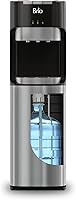
What Is Inside a Bottom Load Water Dispenser? What’s Behind It
On this page (3 sections)
Inside a bottom load water dispenser, you’ll find the water bottle hidden beneath. This design makes it easier to load a new bottle. You don’t have to lift a heavy bottle overhead. The dispenser then pumps water from the bottle to the spigots.
This clever setup has a few key components. A pump system draws water up. There are also heating and cooling elements for your water. A drip tray catches spills, keeping your counter clean. It’s designed for convenience and clean water access.
- Bottom load dispensers hide the water bottle.
- A pump moves water from the bottle to the spigots.
- It includes heating and cooling for different water types.
- A drip tray catches any water splashes.
Let’s take a closer look at what makes your bottom load water dispenser work so well.
Understanding Your Bottom Load Water Dispenser’s Inner Workings
You might be wondering what magical components are tucked away inside your bottom load water dispenser. It’s not magic, but rather smart engineering designed for your convenience. The main goal is to get you that hot or cold water with minimal fuss. Let’s break down the system.
The Heart of the Operation: The Pump System
Have you ever thought about how water gets from the bottle at the bottom all the way up to the spigot? It’s all thanks to a Learn more about the water dispenser pump that moves water from the bottle to the spigots.quietly working pump. Unlike top loaders where gravity helps a bit, bottom loaders rely entirely on this pump. It’s usually a small, submersible electric pump placed inside the water reservoir. When you press a button, it activates. This pump then creates suction. It pulls water up through a tube. This tube runs from the bottom of the bottle. It travels all the way to the dispenser’s internal tank system.
How the Pump Connects to the Bottle
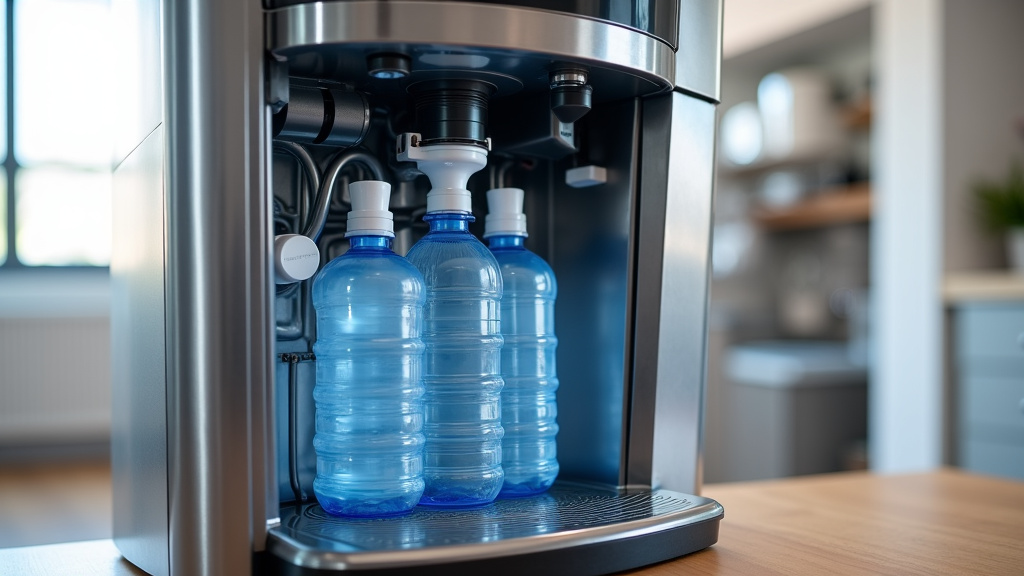
The connection is quite clever. Inside the dispenser, a hollow probe extends down into the water bottle. This probe is usually made of food-grade plastic or stainless steel. It’s designed to create a tight seal with the bottle’s opening. Once the bottle is in place, this probe acts as the entry point for the pump. It’s the straw that reaches deep into your water supply.
The Role of the Internal Reservoir
The water doesn’t go straight from the pump to your cup. Instead, it first travels into a small internal reservoir. This is where the water is held before being heated or cooled. It’s like a waiting room for your water. This reservoir ensures a steady supply is ready. It prevents the pump from having to work constantly. It also allows the heating and cooling elements to do their job efficiently.
The Temperature Control: Heating and Cooling Elements
This is where the real magic happens for your drinking pleasure! Your bottom load dispenser likely has two separate systems. One heats the water, and the other cools it. These are essential for getting that perfect cup of tea or a refreshing glass of cold water.
The Heating Element: For Your Hot Beverages
Inside, there’s a dedicated heating element, often a type of resistance heater. Think of it like a small version of what’s in your electric kettle. When you select hot water, this element heats up. It warms the water in a specific section of the internal reservoir. It’s usually controlled by a thermostat. This ensures the water reaches a safe and usable hot temperature. Many dispensers heat water to around 185-195°F (85-90°C). This is ideal for steeping tea or making instant coffee (Mayo Clinic).
The Cooling Element: For Refreshing Cold Water
The cooling system is a bit more complex. It typically uses a thermoelectric cooling (TEC) module or a small compressor system. Similar to how your refrigerator works, these systems remove heat from the water. Thermoelectric coolers use the Peltier effect. They create a temperature difference when an electric current passes through them. They are quiet and don’t use refrigerants. Compressor systems are more powerful. They are found in higher-end models and can cool water much faster and to lower temperatures. They generally use a refrigerant to cool the water. This method is efficient for keeping water consistently cold, often around 40-50°F (4-10°C) (U.S. Department of Energy).
Keeping Things Clean: Drip Tray and Overflow Prevention
Nobody likes a messy counter. Your bottom load dispenser has built-in features to help manage drips and spills. These might seem small, but they play a big role in keeping your kitchen tidy.
The Humble Drip Tray
You’ll find a removable drip tray at the base of the dispenser. Its job is simple: catch any stray water droplets. When you fill your cup, a little water might splash. Or, if you’re filling a large container, a few drops might escape. The drip tray collects these. This prevents water from pooling on your countertop. Most drip trays are designed to be easily removed. You can then empty and clean them quickly. This is a basic but important step in maintaining hygiene.
Overflow Prevention Mechanisms
Inside, there are usually measures to prevent overfilling the internal reservoir. These can include float switches or sensors. They monitor the water level. If the water gets too high, they signal the pump to stop. This prevents water from backing up or leaking out of the dispenser. It’s a safety feature that protects your appliance and your home.
The External Components: What You See and Use
While the internal workings are impressive, it’s the external parts that you interact with daily. These are designed for ease of use and access to your water.
The User Interface: Buttons and Levers
This is your control center. You’ll typically find buttons or levers for dispensing cold, room temperature, or hot water. Some models have touch controls. Others have simple push-button mechanisms. They activate the pump and the selected heating/cooling function. Many dispensers also have indicator lights. These lights show you when the water is hot, cold, or when a new bottle is needed.
The Spigots: Your Water Faucets
These are the spigots you press your cup against. They are usually made of plastic or sometimes stainless steel. They are designed to be durable. They deliver the water from the internal tank to your cup. Some spigots are designed to accommodate different cup sizes. You might need to push down on a lever or press a button to get the water flowing.
A Quick Look at What’s Inside: A Summary Table
To help you visualize, here’s a quick breakdown of the key components you’d find inside a typical bottom load water dispenser:
| Component | Function | Location |
|---|---|---|
| Submersible Pump | Pulls water from the bottle up into the dispenser. | Inside the water reservoir, connected to a probe. |
| Water Probe | Acts as a straw, drawing water from the bottle. | Extends down into the water bottle. |
| Internal Reservoir | Holds water before heating or cooling. | Within the dispenser unit. |
| Heating Element | Heats water for hot beverages. | Connected to the internal reservoir. |
| Cooling System | Cools water for refreshing drinks. | Connected to the internal reservoir. |
| Thermostat/Sensors | Regulate water temperature and level. | Within the dispenser. |
| Drip Tray | Catches spills and drips. | Removable, at the base of the dispenser. |
Maintaining Your Bottom Load Water Dispenser
Understanding what’s inside helps you appreciate the need for regular care. Keeping your dispenser clean ensures the best-tasting water. It also helps your appliance last longer. Here are a few key maintenance points to remember:
- Clean the Drip Tray Regularly: Empty and wash it weekly.
- Wipe Down Exterior Surfaces: Use a damp cloth.
- Sanitize the Water Bottle Area: Clean around where the bottle sits.
- Consider Internal Cleaning: Follow manufacturer instructions. Some recommend descaling.
- Replace Water Filters (if applicable): Check your model’s filter needs.
By understanding the inner workings, you can better care for your dispenser. It’s designed to provide clean, temperature-controlled water with ease. A little maintenance goes a long way to keeping it running smoothly.
Conclusion
You’ve learned about the smart engineering behind your bottom load water dispenser. You know the pump system, heating and cooling elements, and drip tray work together. This setup makes getting the perfect temperature water easy and mess-free. Understanding these parts helps you keep it clean and running smoothly. Now that you know what’s inside, take a moment to check your dispenser’s drip tray. Give it a quick clean to start fresh with your well-maintained appliance.
Frequently Asked Questions
Do bottom load water dispensers require a filter?
Some bottom load water dispensers include an internal water filter, while others do not. It’s important to check your specific model’s manual to see if it has a filter and if it needs regular replacement. A filter helps improve the taste and purity of your water.
How often should I clean the inside of my bottom load water dispenser?
Beyond regular cleaning of the drip tray, it’s a good idea to sanitize the internal components of your dispenser every 3-6 months. Follow your manufacturer’s instructions for descaling or flushing the system. This helps remove mineral buildup and keeps your water tasting fresh.
Is the water from a bottom load dispenser safe for drinking?
Yes, the water from a bottom load dispenser is generally safe to drink. The internal components are made from food-grade materials, and the system is designed to deliver clean water. Regular cleaning and sanitization are key to maintaining water safety.
Why is my bottom load water dispenser making a strange noise?
Unusual noises could come from the pump or the cooling system. A new bottle being punctured or the pump working to draw water can cause sounds. If the noise is persistent or sounds like grinding, it might indicate an issue with the pump or compressor. Check if the bottle is seated correctly first.
Can I use any type of water bottle with a bottom load dispenser?
Bottom load dispensers are designed for standard 3 or 5-gallon water bottles. Ensure the bottle you use is securely seated and that the probe can create a proper seal. Using incorrect bottle sizes or types might affect the dispenser’s performance.