Which Water Cooler Is Easier to Load? What’s Behind It
On this page (8 sections)
- Loading Water Coolers: What Makes One Easier?
- Top-Loading Water Coolers: The Classic Approach
- Bottom-Loading Water Coolers: Less Lifting, More Space
- Front-Loading Water Coolers: A Hybrid Approach
- Comparing the Loading Experience: A Quick Guide
- Tips for Making Bottle Changes Easier, No Matter the Cooler
- Conclusion
- Frequently Asked Questions
When considering which water cooler is easier to load, the top-loading models with a removable drip tray often win. This design allows you to easily access the bottle area without wrestling with the entire unit. Many users find that this simple, accessible design makes changing water bottles a much less strenuous task, especially compared to front-loading or bottom-loading styles.
The ease of loading a water cooler isn’t just about convenience; it can also impact how often you remember to replace the bottle. A system that’s quick and straightforward to use means you’re more likely to maintain a fresh supply of chilled or hot water. We’ve looked into various designs, and the location of the bottle and the accessibility of the loading area are key factors that make a difference for everyday users.
- Top-loading coolers with removable drip trays are often easiest.
- Look for models that give direct access to the bottle area.
- Bottom-loading coolers require less lifting of heavy bottles.
- Front-loading models can vary widely in ease of use.
- Consider your physical strength and how often you’ll change bottles.
Let’s break down what makes different water cooler designs easier or harder to load, so you can pick the best fit for your home or office.
Loading Water Coolers: What Makes One Easier?
When it comes to swapping out those heavy water bottles, you’ve probably wondered which water cooler design makes the job less of a chore. We’ve looked into it, and it turns out there are clear differences. The ease of loading often comes down to how you access the water bottle and the overall ergonomics of the design. It’s not just about convenience; it can also affect your willingness to keep your cooler full and ready to go.
You want a system that’s straightforward to use, especially if you’re not the strongest person or if you’ll be changing bottles frequently. Let’s dive into what makes certain coolers a breeze and others a bit of a workout.
Top-Loading Water Coolers: The Classic Approach
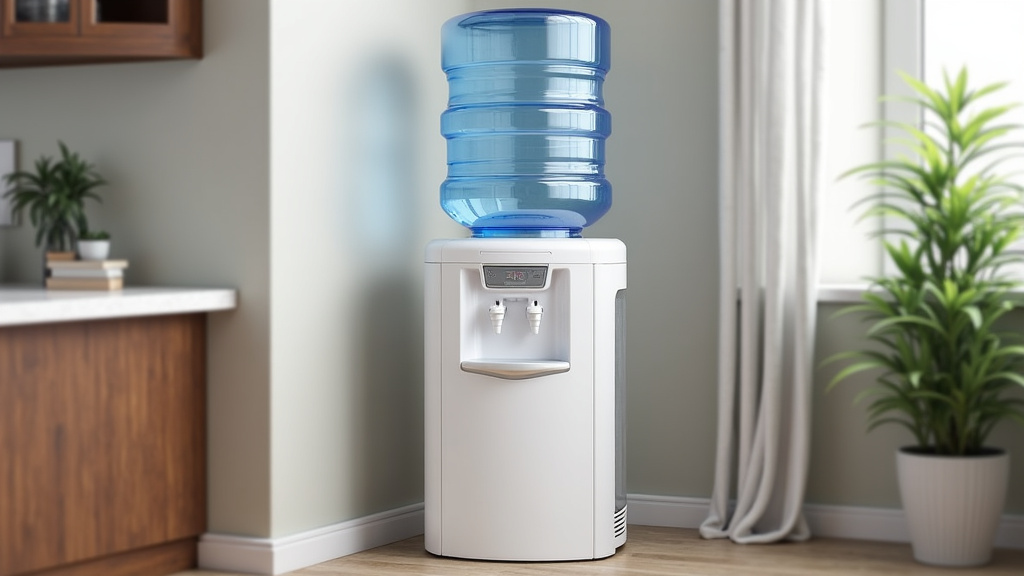
The top-loading water cooler is the most common type you’ll find. It features a bottle that sits right on top of the unit. This design has been around for a long time and for good reason. It’s often the most economical choice upfront.
Accessing the Bottle Area
With a top-loader, the bottle pierces a spike when you place it on top. This means the water is then ready to be dispensed. The main area you need to access is where the bottle sits. Many models make this relatively easy.
The Removable Drip Tray Advantage
One feature that really helps with loading a top-loading cooler is a removable drip tray. Why is this so important? Well, imagine trying to maneuver a large water bottle into place while also trying to keep the drip tray from getting in the way. If you can simply lift the drip tray off, it gives you much more clearance and a better view of what you’re doing. This simple addition makes a big difference for many users, preventing awkward angles and potential spills.
We found that coolers with this feature are often praised for their user-friendliness. It’s a small detail, but it makes the task of changing a 5-gallon jug significantly less intimidating. You’re less likely to bump into things or strain your back trying to get the bottle seated just right.
What to Watch Out For with Top-Loaders
While many top-loaders are user-friendly, some can still be a bit tricky. If the neck of the bottle is very deep inside the unit, you might still have to reach quite far down. This can be a problem for people with shorter arms or limited mobility. Also, some designs might have a decorative shroud around the top that makes it harder to grip and seat the bottle properly. Always look for ample space around the bottle opening.
The Weight Factor
Let’s be honest, a 5-gallon water bottle weighs about 40 pounds. Lifting that much weight straight up and over the cooler can be a significant challenge for many people. This is perhaps the biggest hurdle with any top-loading design, regardless of how well-designed the loading area itself is. If you anticipate this being an issue, you might want to consider other cooler types. If you anticipate this being an issue, you might want to consider other cooler types like a water dispenser pump.
Bottom-Loading Water Coolers: Less Lifting, More Space
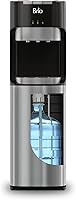
Now, let’s talk about bottom-loading water coolers. These have become quite popular because they address the major challenge of top-loaders: lifting heavy bottles. With a bottom-loader, the water bottle is placed on the floor or a small pedestal and then the entire cooler unit is placed over it.
How the Loading Process Works
You essentially slide the bottle into a compartment at the base. Then, you position the cooler over the bottle, often with some sort of mechanism to lift the bottle’s neck into the cooler’s internal system. Many models use a rack or a funnel system to guide the bottle’s neck.
The Major Benefit: Reduced Lifting
The primary advantage here is clear: you don’t lift the heavy bottle. This is a huge win for anyone who finds lifting difficult or has back issues. You’re mainly just sliding a bottle into place. This makes the physical demand of changing the water much lower. Many users report that this design makes maintaining their water supply much more manageable.
Potential Downsides of Bottom-Loaders
However, bottom-loaders aren’t without their quirks. Sometimes, the process of positioning the cooler over the bottle can be awkward. You might need a bit of space to maneuver the unit. Also, some people find that the bottle doesn’t always seat correctly on the first try. You might have to wiggle it a bit to get the internal spike to connect properly, which can lead to minor leaks if not done carefully.
Furthermore, the compartment where the bottle sits might not be as easy to clean as an open top. You’ll want to ensure the area remains hygienic. We found that models with a wider opening for the bottle compartment can make this easier.
Front-Loading Water Coolers: A Hybrid Approach
Front-loading water coolers, sometimes called side-loaders, offer a different approach. They often have a space at the front or side where you can place the bottle. This design aims to combine some benefits of both top and bottom loaders.
Loading in the Front
In these units, the bottle is typically loaded into a designated cabinet or compartment, often at waist height. This means you don’t have to lift the bottle high, nor do you have to bend all the way down to the floor.
Variations in Design
The ease of loading can vary greatly with front-loaders. Some models have a fully accessible door that swings open, giving you a clear view and ample room. Others might have a more restrictive opening. You might need to slide the bottle in at an angle. It’s a bit like loading a dishwasher, but with a much heavier item.
We found that the internal mechanism for connecting to the bottle’s spike is key here. If it’s robust and easy to align, the process is smoother. A poorly designed connector can lead to frustration and spills. Always check reviews or, if possible, see the unit in action to gauge this.
Accessibility and Space
Front-loaders can be good for smaller spaces where maneuvering a full cooler unit (as might be needed with some bottom-loaders) is difficult. The loading is generally less physically demanding than a top-loader, but perhaps not quite as effortless as a well-designed bottom-loader for some users. The cabinet space also helps to conceal the bottle, offering a cleaner look.
Comparing the Loading Experience: A Quick Guide
To help you decide which cooler might be best for your loading needs, consider this summary. It’s based on common user feedback and design principles.
| Cooler Type | Bottle Location | Lifting Required | Ease of Access | Potential Challenges |
|---|---|---|---|---|
| Top-Loading | On top | High | Varies; good with removable drip tray | Lifting heavy bottles; deep access |
| Bottom-Loading | At the base | Low | Good; slide bottle in | Positioning cooler; alignment issues |
| Front-Loading | In a cabinet (front/side) | Medium | Varies; depends on compartment opening | Bottle alignment; internal mechanism |
As you can see, there’s no single “perfect” answer for everyone. Your personal comfort level and physical abilities play a big role. If lifting is your main concern, a bottom-loader is likely your best bet. If you prefer simplicity and can manage the lift, a top-loader with a removable drip tray is a solid choice.
Tips for Making Bottle Changes Easier, No Matter the Cooler
Once you’ve chosen your cooler, there are still ways to make the bottle-changing process smoother. Think of these as little hacks to make life easier.
- Check the Bottle Size: While 5-gallon is standard, 3-gallon bottles are lighter and might fit in some models if you need less weight.
- Position the Cooler Wisely: Give yourself enough room to work. Don’t cram your cooler into a tight corner where you can’t move freely.
- Keep a Towel Handy: Spills happen. Having a towel or absorbent cloth nearby can save you from a mess.
- Roll, Don’t Just Lift: For 5-gallon bottles, you can often tilt and roll them into position rather than lifting them straight up. This uses your body weight more effectively.
- Ask for Help: If you’re struggling, don’t be afraid to ask a family member, colleague, or neighbor for a hand. It’s not a sign of weakness, just smart problem-solving.
These small adjustments can make a surprising difference. It’s all about finding what works best for you and your situation.
Conclusion
Choosing the right water cooler means considering how you’ll change the bottles. We found that top-loading coolers with removable drip trays offer a good balance of accessibility and cost. If lifting is a major concern, a bottom-loading model is likely your best choice, reducing physical strain. Front-loaders offer a middle ground, but their ease of use can vary by design. Before you buy, think about your physical comfort and how often you’ll be swapping bottles. Your best next step is to measure the space where the cooler will go and compare the loading mechanisms of models that fit your needs.
Frequently Asked Questions
Which water cooler type is the absolute easiest to load if I have back pain?
If back pain is your primary concern, a bottom-loading water cooler is generally the easiest to load. You simply slide the bottle into a base compartment, meaning you don’t have to lift the heavy bottle at all. This design minimizes the physical effort required for bottle changes.
Are top-loading coolers with removable drip trays truly easier than they look?
Yes, a removable drip tray makes a noticeable difference for top-loading coolers. It gives you more clearance and a better view when placing the bottle, reducing awkward angles and potential spills. While you still need to lift the bottle, this feature makes the process much smoother. While you still need to lift the bottle, this feature makes the process much smoother, and a self-cleaning dispenser adds further convenience.
Can I use smaller, lighter water bottles with any cooler type?
Most water coolers are designed for standard 5-gallon bottles. However, some models, particularly top-loaders, might accommodate 3-gallon bottles if you need a lighter option. Always check the cooler’s specifications to ensure compatibility before purchasing.
How do I know if a front-loading cooler’s compartment will be easy to access?
Look for models where the front cabinet door swings open wide, providing ample space and a clear view. Some front-loaders have more restrictive openings, making bottle insertion a bit trickier. Reading user reviews often highlights how easy or difficult it is to load the bottle into the compartment.
What’s the biggest challenge with loading a bottom-loading water cooler?
The main challenge with bottom-loaders can be positioning the cooler unit over the bottle correctly. You might need to maneuver the cooler to align its internal spike with the bottle’s opening. While it avoids heavy lifting, getting a good seal on the first try can sometimes require a little adjustment.