What Is a Water Dispenser Pump? Key Facts
A water dispenser pump is a battery-operated device that fits on top of a large water bottle. It automatically pushes water from a large bottle into your glass with the push of a button. This means no more lifting, tipping, or messy spills from your water cooler jug.
Most of these pumps are designed for standard 5-gallon water bottles, which are heavy and awkward. Many experts say this simple tool reduces strain on your back and makes staying hydrated much easier for everyone at home. We found that their main benefit is turning a difficult task into a simple, clean process.
- It’s a small, electric device that replaces the manual pouring or heavy lifting from large water bottles.
- It works by pressing a button to activate a small motor that draws water up through a tube.
- Key benefits include preventing spills, improving hygiene by avoiding contact, and reducing physical strain.
- They come in different styles, but most are affordable and easy to install on your existing bottle.
- This is a popular upgrade for homes, offices, and anywhere you use bulk water bottles.
Below, we break down everything you need to know, from the different types available to how to choose the right one. Let’s walk through exactly how this simple gadget makes your life easier.
Understanding the Basic Parts and Functions
A water dispenser pump is a straightforward gadget. Think of it as a **small, electric straw** for your heavy water bottle. You place it on the bottle’s opening, and it does the hard work for you. No more awkward tipping or heavy lifting.
The core job is simple: to move water from the jug to your cup with minimal effort. It replaces the old method of manual pouring or balancing a heavy cooler. This is especially helpful for **children, older adults, or anyone with back concerns**.
The Core Components Inside the Pump
Inside most pumps, you’ll find a few key parts working together. The main piece is a small **electric motor**. This motor powers a mechanism that creates suction. We found this suction is what actually pulls the water upward.
Connected to the motor is a **flexible tube**. This tube drops down into the water inside the bottle. The quality of this tube matters for both water flow and safety. Most are made from **food-grade, BPA-free plastic** to keep your water clean.
You’ll also find a **rechargeable battery** or a compartment for standard batteries. The power button and the spout where water comes out are the only other parts you interact with daily.
How the Motor Creates Suction
The motor usually drives a small piston or diaphragm. As it moves, it creates a **pressure difference**. This lower pressure in the chamber draws water up the tube. When you press the button, you’re starting this simple mechanical process.
It’s not unlike the way a regular drinking straw works, but automated. The motor does the continuous “sucking” so you don’t have to. Once the water reaches the spout, a valve typically stops the flow when you release the button.
The Two Main Types You’ll Encounter
When you shop, you’ll see two primary designs. The first is the **top-mounted pump**. This is the most common type. It sits right on the bottle’s neck, with the tube going straight down. It’s compact and easy to use.
The second type is a **floor-standing pump**. This unit sits on the floor next to your bottle. A long tube runs from the pump up into the bottle. Some people prefer this for very heavy bottles, as it doesn’t add weight to the top.
Why People Are Making the Switch
The benefits go beyond simple convenience. We found that safety and hygiene are major factors for many users. Lifting a full 5-gallon bottle, which weighs over **40 pounds**, can lead to serious injury. The American Chiropractic Association has noted that improper lifting is a common cause of back strain.
By eliminating the lift and tilt, the pump reduces this risk dramatically. You also avoid splashing water on the floor, which can be a **slip hazard**. The touchless operation of pressing a button instead of handling a spout can feel more sanitary too.
Improved Hygiene and Cleaner Water
With traditional coolers, water can come into contact with parts that are hard to clean. A pump system often seals the bottle better. The water’s only path is through the clean tube and out the spout. This **limits exposure to airborne dust or germs**.
Many experts say that using a sealed system helps maintain water quality (CDC). It prevents contaminants from entering the bottle between uses. This is a key point if you’re concerned about the purity of your drinking water.
Reduced Contact and Mess
Think about the last time you changed a water bottle. It can be a messy process. Spills are common as you try to seat the heavy jug. The pump design often makes this change cleaner and more secure.
Furthermore, you don’t have to touch the spout where water comes out. This is a small but important detail for **households with young children** or in shared office spaces. It’s a simple way to keep things a bit tidier.
How to Install and Use Your Pump
Getting started is usually a five-minute process. First, take the pump out of the box and charge it fully. Or, insert the required batteries. Check the manual, as some models use a specific type, like 18650 batteries.
Next, clean the bottle’s top and the pump’s spout with mild soap. You want to ensure everything is clean before first use. Then, simply **unscrew the cap from your water bottle**.
Step-by-Step Setup Guide
Follow these simple steps for a smooth installation:
- Prepare the Bottle: Wipe the neck of the water bottle with a clean cloth. Remove any dust or packaging residue.
- Insert the Tube: Gently push the pump’s suction tube down into the bottle. It should reach near the bottom without being forced.
- Secure the Pump: Place the pump base over the bottle’s opening. Some models screw on, while others have a clamp or press-fit mechanism.
- Prime the System: Press and hold the button for 3-5 seconds. You may hear the motor run. This draws water up into the tube.
- Test the Flow: Place a cup under the spout and press the button. Water should flow smoothly. If it sputters, repeat the priming step.
Using Your Pump Daily
Daily operation is even simpler. Just hold your cup under the spout and press the button. Release it when you have enough water. **Avoid holding the button down continuously** for too long, as this can strain the motor.
We found that most pumps have an **auto-stop feature** after 1-2 minutes. This is a safety measure to prevent the motor from overheating if accidentally left on.
Choosing the Right Pump for Your Needs
Not all pumps are created equal. Your choice depends on your specific situation. Do you have a standard 5-gallon bottle? Or a larger, non-carbonated jug? First, check compatibility. Most pumps fit standard bottle necks, but it’s always good to verify.
Next, consider **power source**. Rechargeable via USB is common and convenient. Battery-operated models offer flexibility if you don’t have a power outlet nearby. Weigh the pros and cons for your location.
Key Features to Compare
Use this table to compare common features when shopping:
| Feature | What to Look For | Why It Matters |
|---|---|---|
| Power Source | USB Rechargeable vs. Battery | Convenience vs. portability and replacement cost. |
| Water Flow Rate | Around 1-2 liters per minute | Fills your glass quickly without excessive motor noise. |
| Noise Level | Look for dB ratings or “quiet operation” | Important for quiet homes, offices, or nighttime use. |
| Material | Food-grade, BPA-free plastic or stainless steel spout | td>Ensures safe drinking water and durability.|
| Bottle Compatibility | Fits 3-5 gallon standard necks | Guarantees it will work with your existing water supply. |
| Auto-Stop | Timer or sensor-based shut-off | Prevents spills and protects the motor from damage. |
Your Quick Buying Checklist
Before you click “buy,” run through this short list:
- Check Your Bottle: Measure your bottle’s neck diameter. Ensure the pump fits it securely.
- Decide on Power: Choose between rechargeable convenience or battery backup.
- Consider the Users: For kids or seniors, a lightweight pump with large buttons is ideal.
- Look for Certifications: See if it mentions FDA-approved or BPA-free materials.
- Read Real Reviews: Look for comments on durability and ease of cleaning.
- Warranty Matters: A 1-year warranty can offer peace of mind for this type of gadget.
Beyond the Basics: Special Features
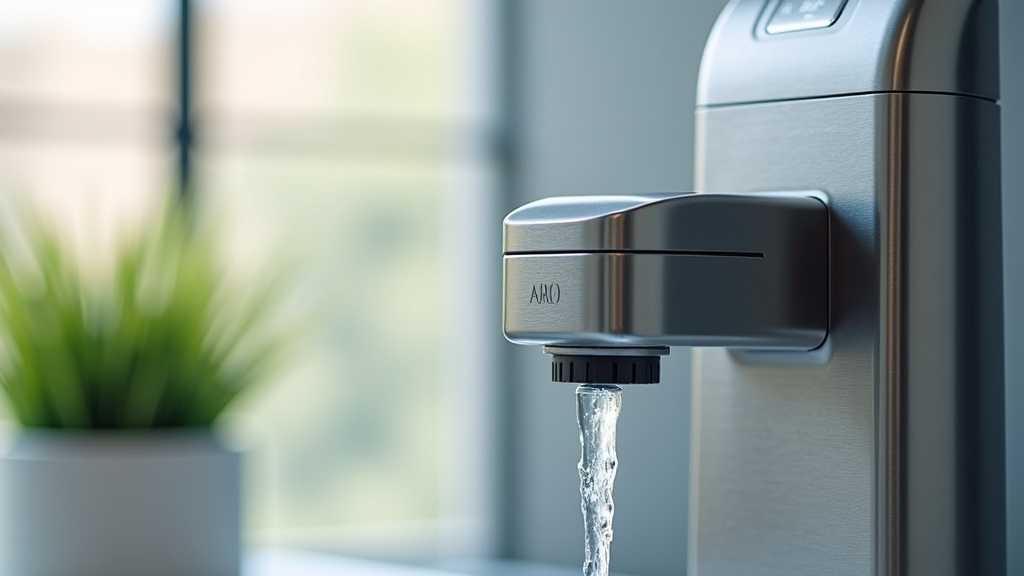
Some models offer extra functions. One popular feature is a **built-in filter**. This can add an extra layer of purification as water passes through. It’s a good option if you want enhanced filtration.
Others include an **LED indicator** that shows battery life or water level. A few high-end models even have **adjustable flow settings**. You can choose a slow trickle or a fast stream. These features are nice, but remember they add to the cost.
When to Consider a Filtered Pump
You might think about a filtered model if your source water has a noticeable taste. It can also be useful for **removing common impurities like chlorine**. However, remember the filters need regular replacement. This adds to the long-term cost and maintenance.
For many households, a standard pump without a filter is perfectly sufficient. The main goal is convenience, not necessarily advanced filtration. Decide based on your water quality concerns.
Common Uses in Homes and Offices
You’ll find these pumps in a variety of settings. At home, they are perfect for the kitchen or a home office. They make **staying hydrated effortless** for busy families. Kids can get their own water safely without asking for help.
In an office, they replace the old-school cooler with the big lever. They are quieter, more modern, and reduce spills on the carpet. We found that they can even **lower the risk of workplace injuries** related to water cooler maintenance.
Ideas for Other Locations
Think beyond the kitchen. A pump is great for a **finished basement** or a garage workshop. You can have clean water readily available without a plumbed sink. It’s also useful for a **camping cabin** or a hunting lodge with bulk water supply.
Some people even use them for **non-water liquids** like soap dispensers in a large workshop. Always check the manufacturer’s guidance, though. Using them for anything other than water could void the warranty.
Maintenance and Cleaning Tips
To keep your pump working well and your water tasting fresh, regular cleaning is key. We recommend a **full cleaning every 2-4 weeks**. This is especially important if you notice any cloudiness or a change in taste.
The process is simple. First, disconnect the pump from the bottle. Wipe the exterior with a damp cloth. Then, you’ll want to sanitize the parts that touch water.
A Simple Cleaning Routine
Follow this easy routine to maintain your pump:
- Remove the Tube: Carefully detach the suction tube from the pump unit if possible.
- Wash Parts: Use warm water and a drop of mild dish soap. Use a bottle brush for the tube.
Conclusion
A water dispenser pump is a smart, battery-operated solution for using large water bottles without the hassle. We covered how it works, its main benefits like reducing strain and improving hygiene, and the key features to compare when shopping. This simple device can make staying hydrated easier and safer for everyone in your home or office. If you’re ready to upgrade from manual lifting and spills, our final advice is to take the next step: measure your bottle, review our buying checklist, and choose a pump that fits your specific needs.
Frequently Asked Questions
How long does the battery typically last on a water dispenser pump?
Battery life depends on the model and how often you use it. We found that most rechargeable pumps hold a charge for several months with daily use. Always check the manufacturer’s specifications for estimates on standby and active time.
Can I use a water dispenser pump with a non-standard or smaller water bottle?
Most pumps are made for standard 3 to 5-gallon bottles with common neck sizes. If you have an unusual bottle, measure the neck diameter and compare it to the pump’s compatibility details to ensure a secure fit.
Is it safe to leave the pump attached to the water bottle when not in use?
Yes, it’s generally safe and helps keep the water sealed and clean. However, if the bottle will sit unused for a long time, consider removing the pump to conserve battery power and prevent any potential dust buildup.
How do I clean the inside of the pump and tube to prevent mold?
Regular cleaning is essential for hygiene. We recommend detaching the tube and washing it with warm, soapy water every 2 to 4 weeks. Some models have parts that are dishwasher-safe, so check your user manual for specific cleaning instructions.
Can a water dispenser pump be used for liquids other than water?
While some people experiment with other liquids, most manufacturers design these pumps for water only. Using things like juice or soap could damage the pump’s components and may void your warranty, so it’s best to stick with water.