What Is a Spring Water Dispenser? The Plain Facts
On this page (5 sections)
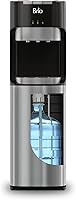
A spring water dispenser is a unit that chills and dispenses refreshing bottled spring water. These dispensers use gravity to deliver water from a bottle into a cool reservoir. You can find them in homes and offices for easy access to clean, cold water. They are a popular alternative to tap water filtration systems. A water dispenser pump can help you avoid lifting and tipping large bottles.
Think of it as your personal, always-ready water cooler. It’s designed for convenience and provides a consistent supply of chilled natural spring water. Many models also offer a hot water option for teas and soups. We found these units are a simple way to enjoy a better drinking experience.
- It’s a device for chilling and dispensing bottled spring water.
- Uses gravity to fill an internal cooling reservoir.
- Offers convenient access to cold water.
- Some models provide hot water too.
- A straightforward alternative to other water systems.
So, what exactly makes up a spring water dispenser, and how does it all work? We’ll walk you through the straightforward facts to help you understand these handy appliances.
Understanding Your Spring Water Dispenser
A spring water dispenser, in its simplest form, is your personal chilled water source. It’s designed to take a standard-sized bottle of spring water and make it readily available, cold, and easy to pour. Think of it like a fancy faucet for bottled water. We found that their core function is straightforward: deliver cool, refreshing water on demand.
How Does It Actually Work?
The magic behind these dispensers is actually quite simple. They use gravity to do most of the heavy lifting. You place a bottle of spring water upside down on top of the unit. This seals the bottle and allows the water to flow down into a small internal reservoir when you press a tap or lever. This reservoir is where the cooling happens.
The Cooling Mechanism
Inside the dispenser is a refrigeration system, much like what you’d find in a small refrigerator. It chills the water stored in the internal reservoir to a cool temperature. We found that most dispensers aim for a temperature between 40-50°F (4-10°C). This ensures you always have a supply of cold water ready to drink, without needing ice.
The Heating Option (If Available)
Many dispensers go a step further. They include a second internal tank and a heating element. This tank heats water to a higher temperature, often around 185-195°F (85-90°C). This is perfect for making instant coffee, tea, or even warming up soup. We found this dual-functionality makes them very popular in homes and offices alike.
Key Components of a Spring Water Dispenser
To get a clearer picture, let’s break down the essential parts you’ll find in most spring water dispensers. Knowing these components can help you understand how the unit operates and what to look for when choosing one.
The Water Bottle and Sealing Mechanism
The most visible part is the space for the water bottle, typically a 3-gallon or 5-gallon size. These bottles are designed with a specific cap or seal. When you invert the bottle onto the dispenser, this seal creates an airtight connection. This is vital to prevent spills and ensure water flows correctly via gravity. We found that a good seal is key to preventing leaks.
The Cold Water Reservoir and Cooling System
This is the heart of the chilling function. The reservoir is a container that holds a small amount of water. It’s surrounded by the dispenser’s cooling system. This system uses a compressor and coolant to remove heat from the reservoir. Think of it like a tiny, dedicated refrigerator for your water. Many experts suggest this is the most important part for consistent cold water (Cleveland Clinic).
The Hot Water Tank and Heating Element (Optional)
If your dispenser offers hot water, it will have a separate tank. This tank is usually smaller than the cold reservoir. A heating element, similar to one in a kettle or coffee maker, is submerged in or wraps around this tank. It quickly heats the water to your desired temperature. We found that models with this feature are often called “hot and cold” water dispensers.
The Dispensing Taps or Levers
These are the controls you use to get your water. They can be simple levers you push down or buttons you press. Pressing a tap opens a valve, allowing water to flow from either the cold or hot reservoir. You’ll usually find separate taps for cold and hot water. We found that different designs can affect how easy they are to use, especially for children.
The Drip Tray
A small but useful feature, the drip tray sits at the bottom of the dispenser. It catches any stray drips or spills that might occur when filling your cup. Most are removable, making them easy to clean. We found this simple addition helps keep your floor or counter clean and tidy.
Comparing Water Dispenser Types
While we’re focusing on spring water dispensers, it’s helpful to know they fit into a larger category of water dispensers. Understanding the differences can clarify why a spring water model might be right for you.
Bottled Water Dispensers (Our Focus)
These are what we’ve been discussing. They rely on large, replaceable bottles of water, often sourced from springs, purified sources, or mineral wells. You get them delivered or buy them from a store. They offer the convenience of bottled water without needing to constantly open and close plastic jugs. We found this makes them very popular for their ease of use.
Countertop Water Filters
Unlike bottled water dispensers, countertop filters connect directly to your tap. They filter your tap water as it passes through. They don’t usually offer chilled or hot water options unless they have a separate chilling unit. We found these can be a good option if you prefer to use your tap water but want better quality.
Under-Sink Water Filters
These systems are installed out of sight beneath your kitchen sink. They also filter tap water. Many can be fitted with a separate faucet for filtered water. Like countertop filters, they typically don’t provide hot or cold water on their own. We found they offer a very clean look for your kitchen.
Water Coolers vs. Water Dispensers
The terms are often used interchangeably, but there’s a slight difference. A “water cooler” might imply a focus solely on providing chilled water. A “water dispenser” is a broader term that can include both cold and hot water functions. Today, most units are more like dispensers, offering both options. We found the terms are mostly used by consumers to mean the same thing.
Here’s a quick way to check if a spring water dispenser is what you need:
- Do you want readily available cold water?
- Are you looking for an easy way to get hot water for drinks?
- Do you prefer using bottled water rather than tap water?
- Are you okay with the idea of swapping out large water bottles?
- Do you want a simple appliance that doesn’t require complex plumbing?
- Are you looking for convenience and good taste in your drinking water?
We found that if you answered yes to most of these, a spring water dispenser is likely a very suitable choice for your home or office. They offer a simple, effective way to enjoy your water.
Conclusion
You now understand that a spring water dispenser is a simple appliance designed for convenience. It chills bottled spring water using gravity and a refrigeration system, offering easy access to cold drinks. Many models also provide hot water, making them versatile for various needs. If you’re looking for a straightforward way to enjoy refreshing water and hot beverages without plumbing, a spring water dispenser is a practical choice. Consider trying one for a more enjoyable hydration experience in your home or office.
Frequently Asked Questions
How often do I need to change the water bottle?
You’ll need to change the bottle when it’s empty. Typically, spring water dispensers use 3-gallon or 5-gallon bottles. You can tell it’s time to swap when the water flow significantly slows or stops. Many people arrange for bottle delivery or purchase replacements from local stores.
Do spring water dispensers require electricity?
Yes, spring water dispensers need electricity to operate. The refrigeration system for chilling water and the heating element for hot water both require power. You’ll need to plug the unit into a standard electrical outlet to use its cooling and heating functions.
Are spring water dispensers noisy?
Most spring water dispensers operate with a low hum, similar to a refrigerator. The cooling system is the primary source of any sound. We found that quieter models are available, so if noise is a concern, look for those specifically advertised as low-noise units.
How do I clean my spring water dispenser?
Cleaning involves wiping down the exterior and emptying the drip tray regularly. Periodically, you should also sanitize the internal reservoirs. Many manufacturers provide specific cleaning instructions and kits to ensure proper maintenance and water quality.
Can I use any type of bottled water in a dispenser?
Spring water dispensers are designed for specific types of bottled water, usually the large 3-gallon or 5-gallon jugs. While some might accept other bottled water brands, it’s best to use water specifically intended for dispensers to ensure a proper seal and prevent leaks.