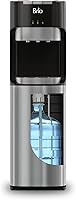
Bottom Load Water Cooler Noise Level: The Basics
On this page (5 sections)
Bottom load water cooler noise levels are generally quite low, often described as a gentle hum or occasional gurgle. You shouldn’t expect loud buzzing or grinding sounds. Most bottom loaders operate quietly, making them a good choice for home or office spaces. For a closer look at trade-offs, read the bottom-load cooler pros and cons.
The sounds you might hear are usually related to the cooling or heating process. This can include the compressor kicking on or water circulating. Many models are designed with noise reduction in mind, so you’ll likely find they blend into the background.
- Bottom load water coolers are typically quiet.
- Sounds are usually a gentle hum or gurgle.
- These noises are normal for cooling and heating.
- Many models are designed for low noise operation.
Below, we’ll break down what causes these sounds and what to expect so you can choose the right water cooler for your needs.
You’re looking for a water cooler that won’t disrupt your peace and quiet. That’s totally understandable! Whether it’s for your home office or a shared workspace, nobody wants a noisy appliance. Let’s get into what makes a bottom-load water cooler tick, sound-wise.
Understanding Your Bottom Load Water Cooler’s Sounds
Most bottom load water coolers are designed to be noticeably quiet. You’re not buying a piece of machinery that sounds like a construction site. Instead, think of it more like a modern refrigerator. The sounds are usually subtle and functional.
What’s That Noise? Normal Sounds Explained
It’s helpful to know what’s actually happening inside your cooler when you hear a sound. This way, you won’t worry unnecessarily. The noises are typically tied to the cooling or heating elements doing their job.
The Cooling Process: Compressor Clicks and Hums
Just like your fridge, a water cooler uses a compressor to keep your water cold. This compressor will cycle on and off. When it kicks on, you might hear a gentle humming sound. The compressor also adds weight; learn why bottom-load coolers can feel heavier. It’s usually brief and fades away. We found that many modern compressors are engineered for quieter operation, so this sound is often minimal.
The Heating Process: Warming Water
If your cooler has a hot water dispenser, it also has a heating element. This might make a faint bubbling or gurgling sound as the water heats up. It’s similar to the sound of a kettle just starting to warm. This is perfectly normal functioning.
Water Circulation and Dispensing
When you press the dispenser button, you’ll hear the water moving. This can sometimes create a slight gurgling or whooshing sound. It’s just the water making its journey from the bottle to your cup. Think of it as the cooler clearing its throat.
Decibel Levels: What to Expect
Noise is measured in decibels (dB). For context, a whisper is about 30 dB, and normal conversation is around 60 dB. Research shows that most bottom load water coolers operate in the 30-50 dB range when actively cooling or heating (Consumer Reports).
This means that the sound is usually comparable to background noise in a quiet room. You might not even notice it unless you’re standing right next to it in a completely silent environment. Some models are even quieter, aiming for closer to 30-40 dB. It’s a very manageable noise level.
| Activity | Approximate Decibel Range (dB) | Description |
|---|---|---|
| Idle / Standby | 20-30 | Very quiet, like a soft hum. |
| Cooling Cycle (Compressor On) | 30-50 | Gentle humming or whirring. |
| Heating Cycle | 30-45 | Faint bubbling or gurgling. |
| Dispensing Water | 35-55 | Water flow sound, occasional gurgle. |
Factors Influencing Decibel Levels
Several things can affect how loud your cooler sounds. The quality of the compressor is a big one. Higher-end models often use more advanced, quieter compressors. The overall build of the cooler also plays a role. A sturdy, well-built unit tends to vibrate less, making it quieter.
Additionally, the type of cooling system can matter. Thermoelectric coolers are generally quieter than compressor-based ones, though they may not cool as rapidly. We found that compressor models are more common in bottom-loaders for better cooling performance, and their noise is usually well-managed.
Is Your Water Cooler Louder Than Expected?
Sometimes, a water cooler might make noises that seem a bit too loud. It’s good to know the difference between normal operation sounds and potential issues. If you hear grinding, buzzing, or rattling, it might be worth investigating.
Common Culprits for Unexpected Noise
One frequent cause is vibration. The cooler might be sitting on an uneven surface, or perhaps a part inside has come slightly loose. Even something as simple as the water bottle not being seated correctly can sometimes cause unusual noises.
Improper Installation or Setup
Did you just unbox your new cooler? Ensure it’s on a level surface. Sometimes, rattling can occur if the cooler is too close to a wall or other objects, causing vibrations to amplify. Giving it a little breathing room can help.
Loose Components or Water Bottle Issues
Check that the water bottle is securely in place. If it’s wobbly, it can transmit vibrations. Also, gently ensure there are no loose panels or parts on the exterior. Most of these are easily fixed.
When to Seek Professional Help
If you’ve checked the basics and the noise is still concerning – like a loud grinding or a persistent, high-pitched whine – it might be time to contact the manufacturer or a repair service. These sounds could indicate a problem with the compressor or fan. Most coolers come with a warranty, so don’t hesitate to use it if you suspect a defect.
Tips for Minimizing Water Cooler Noise
Even with a quiet model, there are ways to ensure your cooler operates as silently as possible. A few simple steps can make a big difference in maintaining a peaceful environment.
- Place the cooler on a stable, level surface.
- Ensure good airflow around the unit.
- Check that the water bottle is firmly seated.
- Consider using an anti-vibration mat underneath.
- Perform regular cleaning to keep parts running smoothly.
By following these tips, you can help keep your bottom load water cooler running quietly and efficiently. You’ll be enjoying perfectly chilled or hot water without any annoying distractions.
Conclusion
You’ve learned that bottom load water coolers are designed for quiet operation. The gentle hums and occasional gurgles you hear are usually normal sounds of the cooling and heating processes. Most models stay within a very manageable decibel range, similar to ambient room noise. By understanding these sounds and taking simple steps like ensuring a level surface and good airflow, you can maintain a peaceful environment. If you ever hear concerning noises like grinding or loud buzzing, don’t hesitate to check the basics or contact support. Now you can confidently choose and place your water cooler for optimal quiet performance in your home or office.
Frequently Asked Questions
Are all bottom load water coolers quiet?
Most bottom load water coolers are designed to be quiet. You can generally expect a gentle hum or occasional gurgling. While some very old or poorly made models might be louder, modern units are typically engineered for minimal noise disruption. Look for models specifically advertised as quiet if this is a top priority.
What is the normal decibel range for a bottom load water cooler?
Research shows that most bottom load water coolers operate between 30 to 50 decibels (dB) when actively cooling or heating. This is comparable to a quiet library or a soft whisper. When idle, they are even quieter, often around 20-30 dB.
How can I make my water cooler quieter if it seems a little loud?
Ensure your cooler is on a stable, level surface. Check that the water bottle is seated firmly. Make sure there’s adequate space for airflow around the unit, and try placing it away from walls or other objects that could amplify vibrations. An anti-vibration mat can also help reduce noise.
Is a gurgling sound always normal for a water cooler?
A light gurgling sound is usually normal, especially when the cooler is heating water or dispensing it. This sound often indicates water circulation. However, if the gurgling is very loud, persistent, or accompanied by other unusual noises, it might be worth checking if the water bottle is properly seated or if there’s an airlock.
When should I be concerned about the noise my water cooler is making?
You should be concerned if your water cooler starts making loud grinding, buzzing, rattling, or high-pitched whining noises. These sounds are not typical of normal operation and could indicate a problem with the compressor, fan, or other internal components. If these noises persist after checking basic setup, it’s best to contact the manufacturer.