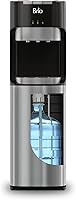
Bottom Load Water Cooler Pros and Cons: The Simple Version
On this page (6 sections)
A bottom load water cooler is a great choice if you want easy bottle changes without lifting heavy jugs. It works by pulling water from a bottle placed on the floor, making it much simpler than top-loading models.
Many shoppers wonder if these coolers are worth the investment. We found that they offer both convenience and style, often with fewer leaks and spills compared to older designs. They can also save your back from straining.
- Bottom load coolers make changing water bottles easy.
- They sit on the floor, so no heavy lifting is needed.
- You can find models that are both functional and look good.
- Leaks and spills are less common with this design.
Below, we’ll go through the main pros and cons to help you decide if a bottom load water cooler is the right fit for your home or office.
You’ve seen them in offices and maybe even in your neighbor’s kitchen: water coolers that don’t make you strain to swap out heavy jugs. They’re called bottom load water coolers, and they’re designed to make getting refreshing water a bit easier. But are they truly better than the older top-loading models? We’ve looked into it, and yes, there are some clear benefits, but also a few things to keep in mind. Let’s break down the pros and cons so you can make the best choice for your needs.
Weighing the Benefits of Bottom Load Water Coolers
These coolers put the water bottle on the floor, which is the biggest difference you’ll notice. Learn how to identify a bottom-load cooler by its design. This simple change helps avoid some common annoyances of traditional water coolers.
Say Goodbye to Heavy Lifting
This is the main selling point. Instead of hoisting a heavy 5-gallon jug onto the top of the machine, you simply place it on the floor and connect a tube. This saves your back and makes bottle changes accessible for almost anyone. We found that this convenience is often the deciding factor for many people, especially in busy households or workplaces.
Less Mess, Less Stress
Think about the last time you changed a top-load water bottle. Did some water spill? It’s a common issue. Bottom loaders usually have a more controlled process. The bottle is upright on the floor, and a pump draws water up. This design tends to minimize splashing and spills, keeping your floor cleaner. Many users report fewer water-related messes, which is a big plus.
Sleek Designs and Cooler Features
Manufacturers know that looks matter. Bottom load water coolers often come in modern designs that fit better with contemporary kitchen or office decor. Beyond looks, many models include features like child-proof locks for hot water, energy-saving modes, and even built-in refrigerators or ice makers. We found that the variety of styles and added functionalities can make them a more attractive appliance choice.
Quieter Operation Than You Might Expect
Some people worry that the pump mechanism in a bottom loader might be noisy. However, research and user reports suggest that most modern bottom load coolers operate quite quietly. The pump usually runs only when water is being dispensed or when the system is self-priming. We found that for many, the noise level is comparable to, or even less than, traditional top-loaders.
Understanding the Downsides of Bottom Loaders
While convenient, bottom load water coolers aren’t perfect. There are a few drawbacks you should consider before buying.
The Initial Cost Can Be Higher
Generally, bottom load water coolers tend to be more expensive upfront than their top-loading counterparts. This is because of the added pump mechanism and often more advanced features. You’re paying for the convenience and technology. The extra components can also affect weight; see why bottom-load water coolers are heavier. We found that while the initial price might seem steep, many users feel the long-term benefits justify the cost.
Takes Up More Floor Space
Since the entire water bottle sits on the floor beneath the unit, these coolers typically have a larger footprint. They require clearance at the back and sides for ventilation, and you need space to slide the bottle in and out. If you’re working with a small kitchen or a tight office corner, this can be a significant consideration. Measure your space carefully before you buy!
Potential for Pump Issues or Slower Dispensing
The pump is what makes a bottom loader work, but like any mechanical part, it can eventually wear out or malfunction. While not a common problem with well-maintained units, a broken pump means no water. Additionally, some users report that the dispensing speed can be slightly slower compared to gravity-fed top-loaders. We found that this is usually a minor inconvenience for most.
Humidity and Condensation Concerns
Because the water bottle is enclosed within the base, some models can sometimes experience condensation buildup. This is particularly true in humid environments. Manufacturers usually design these units with ventilation to prevent this, but it’s something to be aware of. Keeping the area around the cooler dry can help. We found that proper placement and a little attention can usually manage this issue.
Bottom Load vs. Top Load: A Quick Comparison
To help you visualize the differences, here’s a simple comparison table.
| Feature | Bottom Load Water Cooler | Top Load Water Cooler |
|---|---|---|
| Bottle Placement | On the floor, inside the unit | On top of the unit |
| Ease of Bottle Change | Very easy, no heavy lifting | Requires lifting and potentially straining |
| Spills & Messes | Generally less common | More prone to spills during bottle change |
| Initial Cost | Typically higher | Generally lower |
| Footprint | Larger, requires floor space | Can be more compact, but taller |
| Noise Level | Usually quiet (pump runs intermittently) | Often quiet (gravity-fed) |
| Aesthetics | Often more modern and sleek | Can be more utilitarian |
Is a Bottom Load Cooler Right for You? Checklist
To wrap things up, ask yourself these quick questions. If you answer “yes” to most, a bottom load cooler is likely a great fit.
- Do you want to avoid lifting heavy water bottles?
- Are you concerned about potential spills during bottle changes?
- Do you prefer a modern look for your appliance?
- Do you have adequate floor space for the unit?
- Is your budget flexible enough for a potentially higher upfront cost?
- Are you looking for models with extra features like child locks or refrigeration?
Conclusion
You’ve learned how bottom load water coolers offer major convenience by eliminating heavy lifting and reducing spills. We found they also bring modern style to your space. While the upfront cost is higher and they require more floor space, the ease of use and cleaner experience often make them a worthwhile investment for your home or office. If avoiding back strain and messy bottle changes is your priority, and you have the space, a bottom load cooler is likely your best bet. Consider your space and budget, then take the next step to find a model that fits your needs.
Frequently Asked Questions
How do I know if a bottom load water cooler is right for my kitchen?
Think about how much space you have. Bottom loaders take up more floor space than top loaders. If you have an open area and want to avoid lifting heavy bottles, it’s a great choice. We found that measuring your space first is key.
Are bottom load water coolers noisy?
Most modern bottom load coolers operate quietly. The pump only runs when you dispense water or when it primes itself. We found user reports generally indicate noise levels are comparable to or quieter than traditional models.
What if the pump on my bottom load cooler breaks?
A broken pump means you won’t get water until it’s fixed or replaced. While not an everyday issue for well-maintained units, it’s a potential downside to consider. Your warranty may cover repairs.
Can I put any size water bottle in a bottom load cooler?
These coolers are designed for standard 3 or 5-gallon water bottles. Always check the specifications of the cooler you are considering to confirm the bottle size it accommodates. We found most are made for these common sizes.
How often should I clean my bottom load water cooler?
Regular cleaning is important for hygiene and taste. We recommend cleaning the drip tray and exterior weekly. A more thorough internal cleaning and sanitization should be done every 3-6 months, following the manufacturer’s guidelines.