How to Tell If a Water Cooler Is Bottom Load: Explained
On this page (6 sections)
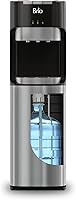
You can tell if a water cooler is bottom load by looking at its base. A bottom-load dispenser has a hidden area at the bottom where a water bottle is completely concealed. This is the easiest way to spot a bottom-load water cooler and know its design.
Unlike top-load models that show the water bottle sticking out, bottom-load coolers offer a cleaner look. Many people prefer them for their modern aesthetic and ease of use. You don’t have to lift heavy bottles to load them, making them very user-friendly.
- Bottom-load water coolers hide the bottle at the base.
- You won’t see the water bottle sticking out the top.
- They offer a sleeker, more modern appearance.
- Loading water is easier as you don’t lift the bottle high.
Let’s walk through exactly how to identify a bottom-load water cooler and what that means for you.
Spotting a Bottom-Load Water Cooler Easily
You’ve seen them, right? The water coolers that just look a bit neater, a bit more put-together. These are likely bottom-load models. The biggest clue is how they hide the water bottle. Instead of a big jug sticking out the top, the bottle is tucked away at the bottom.
This design choice makes a big difference in how the cooler looks in your kitchen or office. It’s a key feature that sets it apart from older or different types of dispensers. We’ll show you exactly what to look for.
The Visual Clues: What to See
When you look at a water cooler, your eyes are naturally drawn to the main body and the dispensing area. With a bottom-load cooler, the base is where the magic happens. You’ll notice a cabinet or a panel at the very bottom of the unit.
This panel usually opens up, either by swinging out like a door or by being removable. Behind this panel is where the water bottle sits. This is the most obvious sign that you’re dealing with a bottom-load model. It’s designed to be completely hidden from view.
The “Hidden Bottle” Test
So, how do you apply this “hidden bottle” test? It’s simple. Stand in front of the water cooler. Does it look like there’s a spot at the bottom designed to hold a whole water bottle, out of sight? If the answer is yes, you’re looking at a bottom-load cooler. You won’t see the curved neck or the top of the bottle.
No Bottle Sticking Out the Top
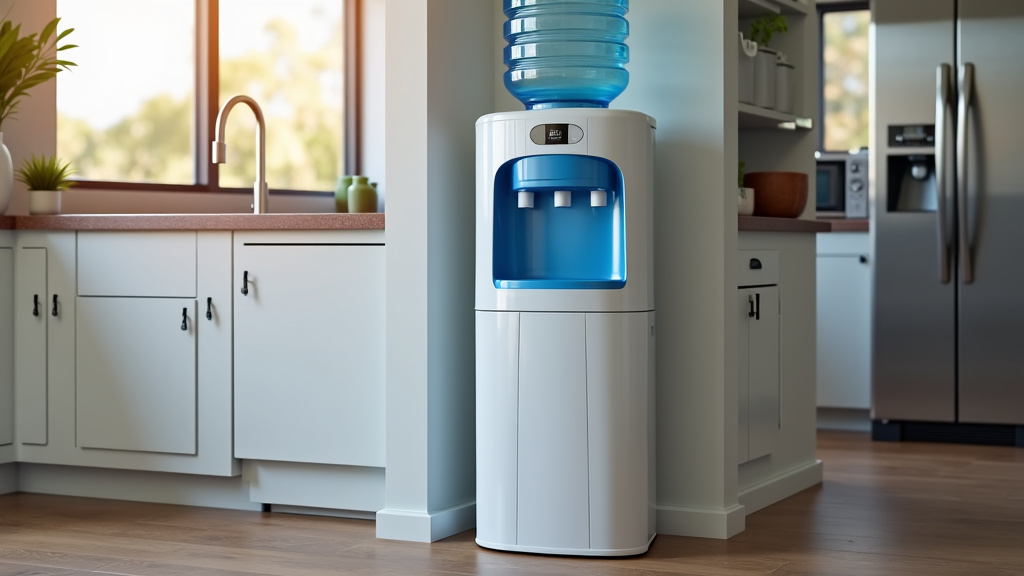
Contrast this with top-load coolers. With those, the bottle is inserted neck-first into the top of the unit. You can clearly see the entire bottle, often with a dispenser cap on its neck. A bottom-load cooler completely avoids this. The water bottle is accessed and stored at the base, making the top surface clear and clean.
Understanding the Design Difference
Why do manufacturers choose this design? It really comes down to aesthetics and convenience. Many people find that a hidden bottle makes for a more attractive appliance. It fits better with modern kitchen styles. It looks less like a functional item and more like a piece of décor.
But it’s not just about looks. There’s a practical side to this design, too. Let’s talk about how you actually use one.
How Loading Works
Loading a bottom-load cooler is different. Instead of lifting a heavy, full water bottle over your head, you typically slide it into the compartment at the base. You might need to remove the bottle from its plastic wrap and place it on a small tray or roller inside the cabinet. Then, you close the door.
The cooler has a built-in pump system. This pump draws water upward to the dispensing taps. This pump is the essential component that makes the bottom-load design work. It does the heavy lifting for you.
The Role of the Internal Pump
Research shows that pump systems in bottom-load coolers are engineered for efficiency. They are designed for quiet operation and effectiveness. This pump is what allows the water bottle to be placed at floor level, yet still be dispensed from the top taps. It’s a clever bit of engineering.
This pump is usually located within the main body of the cooler, above the bottle compartment. It connects to the bottle’s valve and then pushes the water up through internal tubing to the spigots. So, even though you can’t see it, the pump is the heart of the operation.
Comparing Bottom-Load to Top-Load Coolers
To really understand a bottom-load cooler, it helps to compare it with its most common counterpart: the top-load cooler. This comparison highlights the unique benefits and features of each type.
Key Differences at a Glance
We found that the most significant differences are in how the bottle is stored, the overall look, and the effort required to set them up. Here’s a quick breakdown:
| Feature | Bottom-Load Cooler | Top-Load Cooler |
|---|---|---|
| Bottle Placement | Hidden at the base | Visible on top |
| Appearance | Sleeker, modern, clean | More traditional, functional |
| Bottle Loading | Slide bottle in at the bottom | Lift and place bottle on top |
| Ease of Loading | Generally easier, less lifting | Requires lifting heavy bottle |
| Noise | Pump may be audible | Gurgling as water fills reservoir |
| Maintenance | Pump may require occasional checks | Reservoir needs regular cleaning |
The Aesthetic Advantage
Many consumers choose bottom-load coolers primarily for their superior aesthetics. The hidden bottle design means there’s no visual disruption. You don’t have to look at a large plastic jug sitting prominently in your space. This is especially important if the cooler is in a living area or a well-decorated kitchen.
Think of it like a trash can. Some people have trash cans that stick out, and others have them built into the cabinetry. The latter provides a cleaner look, and that’s the same principle at play with bottom-load coolers. They blend in better.
Convenience and Ergonomics
The ease of loading is a major selling point for bottom-load models. Lifting a full 40-pound water bottle can be challenging for many people. Some guidelines from health organizations suggest proper lifting techniques to avoid injury (CDC). Bottom-load coolers sidestep this issue entirely.
You don’t need to strain your back or arms. Sliding a bottle into a compartment is far less physically demanding. This makes them an excellent choice for older adults, individuals with physical limitations, or anyone who simply prefers an easier setup process. It’s a more ergonomic solution.
Are There Downsides to Bottom-Load Coolers?
While bottom-load coolers offer many advantages, it’s good to be aware of potential drawbacks. No appliance is perfect for everyone. Understanding these points can help you make the best choice for your needs.
Potential for Pump Issues
The internal pump is what makes bottom-load coolers work. Like any mechanical part, pumps can eventually wear out or malfunction. If the pump fails, the cooler won’t dispense water.
We found that pump repairs can sometimes be more complex or costly than addressing a simple gurgling issue in a top-load model. However, many modern pumps are designed for durability. Regular maintenance can help prevent problems.
Slightly More Complex Setup
While loading the bottle is easier, the initial setup might feel a tad more involved. You need to ensure the bottle is properly seated and connected to the pump. Sometimes, there’s a specific way the bottle needs to be angled or pushed in.
Reading the user manual is important here. It will guide you through the exact steps for your model. It’s not difficult, but it requires a bit more attention than just plunking a bottle on top.
Space Requirements
Bottom-load coolers often have a slightly larger footprint than comparable top-load models. This is because the base compartment needs to accommodate the water bottle and the pump mechanism. Make sure you measure your space before buying.
A well-designed bottom-load cooler will still look sleek, but its overall dimensions might be a bit more generous. Always check the product specifications for height, width, and depth.
A Quick Checklist: Is it Bottom Load?
Before you buy or if you’re just curious, run through this quick checklist. It will help you confirm if a water cooler is indeed a bottom-load model.
- Look at the very bottom of the unit.
- Do you see a door or panel that hides something?
- Is the entire water bottle concealed from view?
- Can you see the bottle neck and cap on top? (If yes, it’s NOT bottom-load)
- Does the design appear sleeker or more modern due to hidden bottle?
- Is there an obvious compartment at the base for bottle access?
Conclusion
You’ve now learned the key signs that tell you if a water cooler is bottom load. The easiest way is to look for a hidden compartment at the base where the water bottle is completely concealed. This design offers a sleeker appearance and makes loading water much easier, as you don’t need to lift heavy bottles. While they present a modern aesthetic and ergonomic benefit, it’s wise to consider potential pump maintenance and space needs. Now that you know what to look for, you can confidently choose the water cooler that best fits your home or office.
Frequently Asked Questions
What is the main benefit of a bottom-load water cooler?
The primary benefit is convenience and aesthetics. Bottom-load coolers hide the water bottle in a base compartment, offering a cleaner, more modern look. They also make loading easier by eliminating the need to lift heavy bottles.
How do I know if a water cooler is NOT bottom load?
If you can see the entire water bottle sitting on top of the unit, with its neck and cap visible, it’s not a bottom-load cooler. These are typically top-load models, where the bottle is inserted directly into the top.
Does a bottom-load cooler use a pump?
Yes, a bottom-load water cooler relies on an internal pump. This pump draws water from the bottle stored at the base and pushes it up to the dispensing taps.
Are bottom-load water coolers difficult to set up?
While loading the bottle is easier, the initial setup might require a bit more attention. You’ll need to ensure the bottle is properly seated and connected to the pump mechanism inside the base compartment.
What should I do if my bottom-load cooler stops dispensing water?
If your bottom-load cooler stops dispensing water, the internal pump may be the issue. Check your user manual for troubleshooting steps, or contact the manufacturer for support, as pump repairs can sometimes be more complex.