Top Load Water Cooler Evaporation: A Simple Guide
On this page (5 sections)
Yes, top load water cooler evaporation is a normal process. It happens when water turns into vapor and escapes from the cooler. This is a common reason your water level may drop over time. It’s not usually a sign of a malfunctioning cooler.
You might notice condensation on the outside of your cooler. This is different from evaporation. Evaporation happens from the water inside the bottle. Understanding this helps you know what to expect. It’s a simple physics concept at play with your water dispenser.
- Evaporation is natural for top load water coolers.
- It’s why your water bottle level goes down.
- Condensation is different and often confused with evaporation.
- It’s a sign your cooler is working correctly.
- Knowing this helps you manage your water supply better.
Let’s walk through exactly what causes this and how to manage it.
Understanding Water Cooler Evaporation
You might be wondering why the water level in your top load water cooler seems to drop even when no one is dispensing water. The most common reason is a natural process called evaporation. It’s like a tiny, invisible leak that affects all open containers of water. This happens when water molecules gain enough energy to turn into a gas, or vapor, and escape into the air. It’s a simple concept, but it plays a big role in how your cooler functions.
What Exactly is Evaporation?
Think about a puddle after a rain shower. Eventually, it disappears, right? That’s evaporation at work. The same principle applies to the water in your cooler’s reservoir. The water is exposed to the air, and over time, some of that water will naturally turn into water vapor. This is especially true in warmer environments or when there’s good airflow around the cooler. It’s not a sign that something is broken; it’s just physics in action.
When you think about it, your top load water cooler has a large surface area of water exposed to the air. This open design, while convenient for changing bottles, also creates more opportunity for evaporation compared to a sealed bottom-load system. The water inside the bottle is not directly exposed, but the water that fills the cooler’s reservoir is. This is why you see the water level decrease in the reservoir, even if you haven’t used the dispenser recently.
Evaporation vs. Condensation: What’s the Difference?
It’s easy to confuse evaporation with condensation, but they are opposite processes. You’ve probably seen condensation on the outside of your water cooler, especially on a warm, humid day. That’s water vapor from the air cooling down and turning back into liquid water on the cooler’s surface. This is a sign that your cooler is doing its job, keeping the water inside nice and cold.
Evaporation is about water leaving the cooler and going into the air. Condensation is about water from the air appearing on the outside of the cooler. They both involve water changing states, but they happen in different places and for different reasons. Understanding this difference helps you troubleshoot and know what’s normal for your water cooler.
Factors Influencing Evaporation Rate
Several things can affect how quickly water evaporates from your cooler. The rate isn’t constant; it can change based on your environment and how you use the cooler. Knowing these factors can help you manage your water supply more effectively and understand why your water level might drop faster at certain times.
Temperature and Humidity
Warmer temperatures generally lead to faster evaporation. Water molecules have more energy when it’s hot, making it easier for them to escape into the air. Conversely, colder temperatures slow down the process. Humidity also plays a role. If the air is already full of water vapor (high humidity), there’s less room for more water to evaporate. In dry environments, evaporation happens more quickly.
Consider this: if your cooler is in a warm room or an area with low humidity, like a climate-controlled office, you might notice the water level dropping a bit faster than if it were in a cooler, more humid basement. It’s a small effect, but it adds up over weeks and months. Many experts agree that temperature is a primary driver of evaporation rates (National Weather Service).
Airflow and Ventilation
Airflow is another key factor. When air moves over the surface of the water, it carries away the water vapor that has already evaporated. This allows more water molecules to escape. Think about drying clothes: hanging them on a line outdoors with a breeze dries them much faster than leaving them in a still, enclosed space. The same applies to your water cooler.
If your water cooler is in a well-ventilated area or near an air vent, the increased airflow can speed up evaporation. If it’s tucked away in a corner with very little air movement, evaporation will likely be slower. It’s a simple trade-off between air exposure and water loss. Good ventilation is great for preventing musty smells, but it can contribute slightly to water level changes.
Surface Area of Water Exposed
The larger the surface area of the water exposed to the air, the more evaporation can occur. Top load water coolers typically have a relatively large opening where the water bottle sits, which means a significant surface area for evaporation from the reservoir. This open design is necessary for easy bottle changes and water dispensing, but it’s also the main reason evaporation is noticeable.
Imagine trying to fill a wide, shallow pan versus a tall, narrow glass with the same amount of water. The pan has a much larger surface exposed to the air. Your cooler reservoir acts more like that wide pan. While you can’t change the size of the reservoir, understanding this helps you appreciate why this type of cooler experiences evaporation more readily than other types of water storage. It’s a consequence of its design, which prioritizes convenience.
How to Manage Water Cooler Evaporation
While you can’t stop evaporation entirely – it’s a natural process – there are ways to manage its effects and minimize water loss. These tips focus on smart placement and understanding your cooler’s behavior. We want to make sure you’re getting the most out of your water supply.
Strategic Placement of Your Cooler
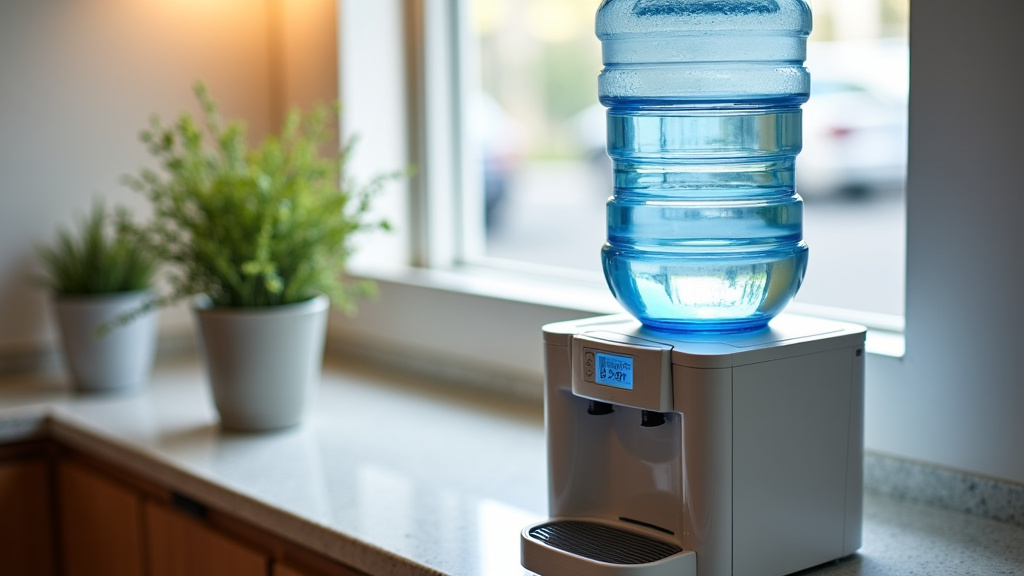
Where you place your water cooler can make a difference. Try to avoid areas with excessive heat or direct sunlight, as these conditions will increase evaporation. Placing the cooler in a cooler, shadier spot can help slow the process down. Also, consider airflow. While some airflow is good for preventing stale smells, extremely strong drafts or proximity to heating/cooling vents might accelerate water loss.
We’ve found that placing your cooler away from windows that get direct sun, and also away from heat-generating appliances like ovens or radiators, can help maintain a more stable temperature. This not only reduces evaporation but also keeps your water tasting fresher for longer. It’s a small change that can have a noticeable effect.
Regular Cleaning and Maintenance
Keeping your water cooler clean is always important. While cleaning doesn’t directly stop evaporation, it ensures that the water you do have is clean and tastes good. Regular cleaning also allows you to visually inspect the cooler and notice any unusual water loss that might be due to something other than evaporation, like a leak.
Following the manufacturer’s recommendations for cleaning your water cooler is key. This typically involves periodically flushing the reservoir and dispensing system. This process helps remove any mineral buildup or sediment that could potentially affect water flow or taste. It also gives you a chance to check the internal components for any signs of wear or damage that might cause issues beyond simple evaporation. Many sources recommend a cleaning every 3-6 months (EPA guidelines often suggest best practices for water systems).
Monitoring Water Levels
Keep an eye on your water levels. If you notice the water level dropping significantly faster than usual, it might be worth investigating. While evaporation is normal, a sudden, drastic drop could indicate a problem. This could be a minor issue, like a faulty seal, or something more serious. Regular observation helps you catch potential problems early.
A simple checklist can help you track this. When you change your water bottle, take a moment to observe the water level. Note if it seems unusually low or if the rate of decrease seems accelerated. This awareness is part of good home maintenance. It’s like checking your car’s tire pressure; a quick look can prevent bigger issues down the road.
A Quick Checklist for Managing Your Cooler:
- Place cooler in a cool, shaded area.
- Avoid direct sunlight and heat sources.
- Check for strong drafts or vents nearby.
- Clean your cooler regularly as recommended.
- Monitor water levels for unusual drops.
- Inspect for any visible leaks or damage.
By following these simple steps, you can better understand and manage the natural process of evaporation in your top load water cooler. It ensures you always have fresh, cool water on hand and can trust your cooler is working as it should.
Conclusion
You’ve learned that top load water cooler evaporation is a natural process, not a malfunction. It’s simply water turning into vapor and escaping. Factors like temperature, humidity, and airflow all influence how much water you might notice disappearing. While you can’t stop it, smart placement and regular cleaning can help manage it effectively. Keep an eye on your water levels to ensure everything is running smoothly. By understanding these basics, you can enjoy fresh, cool water with confidence, knowing your cooler is working as it should.
Frequently Asked Questions
Does evaporation mean my water cooler is leaking?
No, evaporation is a different process than a leak. Evaporation is when water turns into vapor and escapes into the air from the cooler’s open reservoir. A leak is usually a visible stream or drip of water escaping the cooler’s body or connections. If you see actual drips, it might be a leak, not just evaporation.
How much water loss is normal due to evaporation?
The amount of water loss from evaporation can vary widely. Factors like room temperature and humidity play a big role. You might notice a small but consistent drop over a week, especially in warmer or drier conditions. It’s generally a slow process and not a cause for major concern unless the water level drops drastically and quickly.
Can I cover the opening to stop evaporation?
While covering the opening might seem like a good idea, it’s not recommended for most top-load coolers. These coolers are designed with an open reservoir for easy bottle changes and dispensing. Covering it could interfere with proper water flow, sanitation, or even trap moisture, potentially leading to other issues like mold or mildew.
Will evaporation affect the taste of my water?
Evaporation itself doesn’t typically change the taste of your water. However, if evaporation is more rapid in a warmer environment, it could contribute to water sitting longer and potentially tasting less fresh. Keeping your cooler clean and in a cool location will help maintain the best taste, regardless of evaporation.
Is evaporation more common in hot weather?
Yes, evaporation rates tend to increase in warmer weather. Higher temperatures give water molecules more energy, making it easier for them to turn into vapor and escape into the air. If you live in a hot climate or your cooler is in a warm room, you’ll likely notice a slightly faster drop in water level due to evaporation compared to cooler conditions.