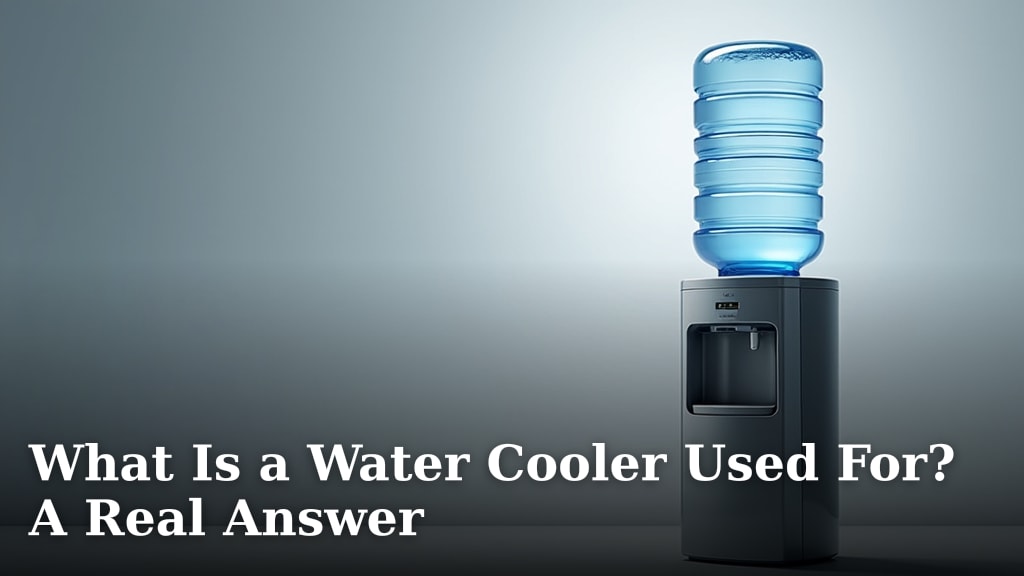
What Is a Water Cooler Used For? A Real Answer
A water cooler is primarily used for dispensing both hot and cold potable water. Many people use them as a convenient way to get a refreshing drink without needing a faucet or electricity for chilling. They are common in offices, schools, and homes where easy access to clean drinking water is desired.
Beyond just providing water, these coolers can be a central point for hydration and, in some settings, even a place for a quick chat. They typically hold large water bottles, reducing the need for frequent refills compared to smaller pitchers. Some models also offer features like refrigeration and heating for making beverages.
TL;DR:
- Water coolers offer easy access to hot and cold drinking water.
- They are convenient for offices, schools, and homes.
- Most use large water bottles as a source.
- They provide a simple way to stay hydrated throughout the day.
- Some models include extra features like refrigeration.
Ready to understand how these simple machines work and what makes them so handy? Let’s dive into the details of what a water cooler is truly used for.
“`htmlUnderstanding Your Water Cooler’s Main Job
So, what’s the big idea behind a water cooler? Simply put, its main purpose is to provide you with readily available drinking water. This water can come in two temperature forms: cold for instant refreshment or hot for your favorite warm beverages.
Think of it as your personal hydration station. It takes the hassle out of getting a drink. You don’t need to run the tap, wait for it to cool down, or boil water on the stove. It’s all right there for you, ready to go.
How Water Coolers Deliver Refreshment
The magic behind the water cooler usually starts with a large, wymienialna butelka z wodą. These bottles, often holding about 5 gallons, are placed on top of the cooler. Gravity does its work, feeding water into the cooler’s internal system.
Getting That Cold Water
For cold water, the cooler has a built-in refrigerator system. When you dispense water, it flows over a chilled coil. This coil is kept cold by a small compressor, similar to what’s in your home refrigerator. It cools the water down quickly, making it perfect for a hot day or after a workout.
Many coolers can chill water down to about 50 degrees Fahrenheit. This is a nice, crisp temperature that most people find very pleasing. It’s a step up from room temperature water, for sure.
The Hot Water Functionality
The hot water side is just as straightforward. Inside the cooler, there’s a heating element and a thermostat. When you turn on the hot water, it passes over this heated element. The thermostat keeps the water at a safe, hot temperature, typically around 180-195 degrees Fahrenheit.
This is ideal for making instant coffee, tea, or even oatmeal. No waiting for a kettle to boil! You get hot water on demand, which is a real time-saver in busy environments. Safety features, like a child-resistant tap, are common to prevent accidental burns.
Beyond the Basics: Added Features You Might Find
While the core function is water dispensing, many modern water coolers offer more. You might find models with advanced features that enhance convenience and usability.
Refrigerated Compartments and Ice Makers
Some premium water coolers include a small, refrigerated compartment. This is handy for keeping drinks, snacks, or even medicines cool. Think of it like a mini-fridge built right in.
Other high-end units may even have a built-in ice maker. This provides a constant supply of ice for your beverages, adding another layer of convenience. These are less common but a nice perk if you have the space and budget.
Filtration Systems
Worried about the source water quality? Some water coolers come with built-in water filters. These filters remove impurities, chlorine, and other contaminants from the water before it reaches your cup.
This can improve the taste and odor of the water. It’s a great option if you’re using tap water that’s been filtered into the cooler’s reservoir, or if your bottled water needs an extra polish. Many filtration systems can be easily replaced when they’ve reached their lifespan.
Self-Cleaning and UV Sterilization
Hygiene is important, and some coolers tackle this head-on. You might find models with self-cleaning cycles. These cycles use heat or other methods to sanitize the internal water lines. Hygiene is important, and some coolers tackle this head-on with self-cleaning cycles.
UV (ultraviolet) sterilization is another technology used. A UV light kills bacteria and viruses in the water, ensuring it’s pure. This is a sophisticated way to maintain water quality without chemicals. It’s a feature often found in more advanced models.
Where and Why You’ll See Water Coolers
Water coolers are fixtures in many places for good reasons. Their ability to provide convenient hydration makes them ideal for a variety of settings.
The Office Staple
Offices are perhaps the most common place to find water coolers. They encourage employees to stay hydrated, which can lead to better focus and productivity. Plus, they can serve as informal meeting spots.
We’ve all seen colleagues gather around the water cooler for a quick chat. It’s more than just a water dispenser; it’s a social hub. Providing clean drinking water is also a perk for employees, showing the company cares about their well-being.
Schools and Educational Institutions
Schools, from elementary to university levels, use water coolers to ensure students and staff have access to water throughout the day. This is especially important during sports activities or warm weather.
Easy access to water helps maintain energy levels and concentration for learning. It’s a simple yet effective way to support a healthy environment for everyone on campus.
Home and Residential Use
More and more households are bringing water coolers home. They are perfect for families who want convenient access to cold or hot water without constant trips to the kitchen faucet or kettle.
They can be a great addition to a home gym, a recreation room, or even the kitchen itself. For parents, having hot water ready for formula or warm drinks can be a lifesaver. It’s a simple upgrade for better home hydration.
Public Spaces and Waiting Areas
You’ll also find water coolers in gyms, clinics, libraries, and other public waiting areas. They offer a basic amenity that visitors often appreciate. It shows a commitment to comfort and convenience for everyone who visits.
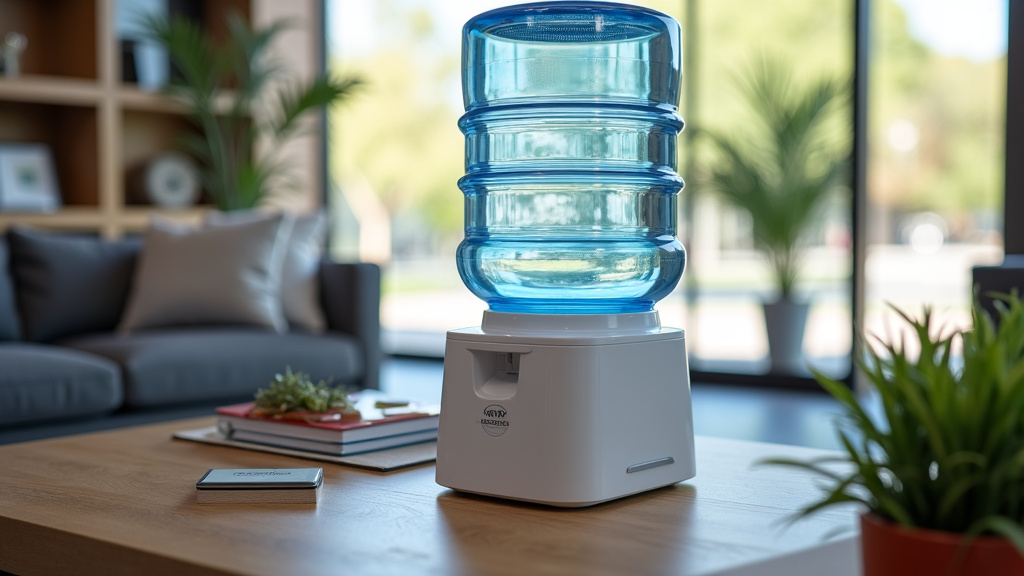
Making Sure Your Water Cooler is Ready to Go: A Quick Checklist
To keep your water cooler working smoothly and providing the best water, follow these simple steps:
- Check the water bottle: Ensure it’s seated correctly and hasn’t run dry.
- Listen for the motor: For cold water, you should hear the compressor kick on occasionally.
- Test the taps: Make sure both hot and cold water are flowing properly.
- Look for leaks: Periodically check around the base for any signs of water damage.
- Keep it clean: Wipe down the exterior regularly and follow manufacturer instructions for internal cleaning.
- Monitor temperature: If water isn’t cold or hot enough, consult your manual or a service professional.
The Role of Bottled Water vs. POU Systems
Water coolers typically work with two main water sources. The most common is the large bottled water delivery service. You order a case of bottles, and they are delivered right to your door.
Bottled Water Delivery Services
This is the traditional method. The cooler sits on top of the bottle, and the water is drawn from it. When a bottle is empty, you simply replace it with a new one.
The benefit here is convenience and consistent water quality, as these bottles are usually purified. Many people prefer the taste of this purified water.
Point-of-Use (POU) Coolers
A POU cooler connects directly to your home’s water supply. It’s essentially a filtered water dispenser. Instead of a bottle, it uses your tap water, which is then filtered and chilled or heated by the unit. A POU cooler connects directly to your home’s water supply for filtered water.
POU systems can be more cost-effective in the long run because you don’t pay for bottled water. They also eliminate the hassle of storing and disposing of heavy bottles. Many experts recommend POU systems for their convenience and environmental benefits (EPA).
Here’s a quick comparison:
| Feature | Bottled Water Cooler | Point-of-Use (POU) Cooler |
|---|---|---|
| Water Source | Large refillable bottles | Direct connection to tap water line |
| Installation | Place bottle on top | Requires plumbing connection |
| Ongoing Cost | Cost of bottled water | Electricity; filter replacement |
| Bottle Management | Storage and replacement of heavy bottles | No bottles to manage |
| Filtration | Depends on water provider; some have built-in filters | Built-in filtration system is standard |
Choosing between these two types depends on your preference, budget, and access to plumbing. Both serve the fundamental purpose of providing easy access to water.
“`Conclusion
You’ve learned that a water cooler is far more than just a dispenser. It’s your go-to source for both refreshing cold drinks and convenient hot water for your favorite beverages. Whether you’re at the office, a school, or simply at home, it makes staying hydrated easy and accessible. From simple cooling and heating to advanced filtration and self-cleaning, these units are designed for your convenience. Now that you understand its functions and benefits, consider what type of water cooler best fits your needs and start enjoying easy hydration today.
Frequently Asked Questions
Do I need electricity for a water cooler to work?
Yes, most water coolers require electricity. The electricity powers the refrigeration system for cold water and the heating element for hot water. Without power, they simply act as a stand for a water bottle.
How often should I change the water bottle on my cooler?
You should change the water bottle when it is empty. Most standard bottles hold about 5 gallons of water, and you’ll notice the flow decrease significantly when it’s nearly empty.
Can I use tap water directly in a water cooler without a bottle?
Some water coolers, known as Point-of-Use (POU) systems, connect directly to your home’s tap water supply. Standard coolers that use large bottles cannot use tap water directly.
Are water filters in coolers necessary if I use bottled water?
It depends on the source water and your preference. Bottled water is usually purified, but some coolers have built-in filters that can further improve taste and remove additional impurities for an extra layer of clean.
Is a water cooler noisy?
You might hear the compressor kick on occasionally to keep the water cold, similar to a refrigerator. This sound is typically low and not overly disruptive, especially in an office or home environment.