What Is a Water Dispenser System? The Quick Version
A water dispenser system is essentially a setup that provides filtered or purified water on demand. Think of it as your own personal water fountain at home or in the office. These systems often connect directly to your main water line to deliver a steady supply of clean drinking water. They can range from simple countertop units to more elaborate under-sink installations.
What sets these systems apart is their ability to improve water quality by removing common impurities. Many homeowners choose them to avoid the hassle of bottled water. They offer a convenient way to get great-tasting water for drinking, cooking, and even making ice. It’s about having reliable, clean water without much effort.
- It’s a system for getting clean, filtered water easily.
- Connects to your water line for continuous access.
- Removes impurities for better tasting water.
- Convenient alternative to bottled water.
- Offers reliable hydration for your home.
Ready to understand how these handy devices work and what makes them tick? Let’s dive into the details of water dispenser systems.
“`htmlUnderstanding Water Dispenser Systems
So, what exactly is a water dispenser system? Think of it as a convenient setup designed to give you clean, good-tasting water whenever you want it. It’s like having your own personal water source right in your kitchen or office. These systems often hook directly into your home’s existing water supply. This means you get a constant flow of fresh water without needing to refill tanks or buy heavy jugs.
The main goal of these systems is to make your drinking water cleaner and tastier. They achieve this by filtering out common impurities. Many people choose them to ditch the endless cycle of buying and recycling plastic water bottles. It’s all about making hydration easier and more reliable.
How Does a Water Dispenser System Work?
At its core, a water dispenser system takes your regular tap water and improves it. Most systems connect to your cold water line, usually under the sink or near your main water inlet. From there, the water flows through a series of components designed to remove unwanted substances. Learn more about what is a plumbed water dispenser and how it connects to your home’s water line.
The Filtration Process
The heart of any water dispenser system is its filtration technology. You’ll typically find one or more filters working together. These filters are like tiny sieves, catching different types of impurities. Common filters include sediment filters, which remove dirt and rust, and carbon filters, which are great at taking out chlorine and other chemicals that affect taste and odor.
Some advanced systems might also include reverse osmosis (RO) membranes or UV purifiers. RO systems use a very fine membrane to remove a wider range of contaminants, including dissolved salts and heavy metals. UV purifiers use ultraviolet light to kill bacteria and viruses. The type of filtration used depends on the specific system and the quality of your incoming water. You can often research your local water quality reports to see what might be most beneficial for you (Environmental Protection Agency). Explore what is a self-cleaning water dispenser and the technologies that keep it hygienic.
The Dispensing Mechanism
Once the water is filtered or purified, it needs to get to you. This is where the dispensing mechanism comes in. For under-sink systems, a separate faucet is usually installed on your countertop or sink. This faucet is connected to the filtered water line. When you press the lever or push the button, it opens a valve, allowing the clean water to flow out. It’s a simple but effective way to access your purified water.
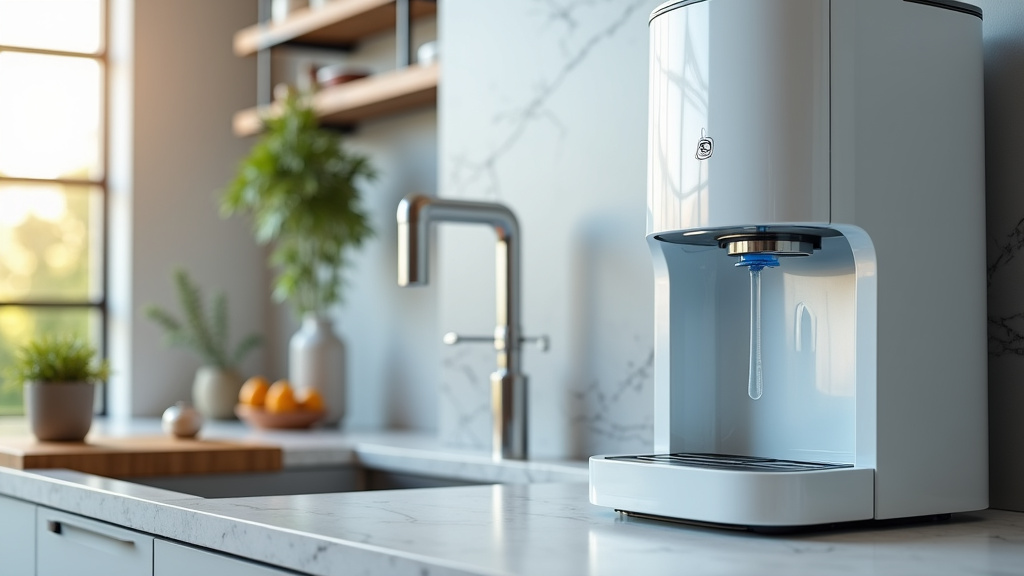
Countertop units are a bit different. They often have a built-in reservoir that you fill with water yourself, or they might connect directly to your water line like under-sink models. These units typically have buttons or levers on the front to dispense the water into your cup. Some even offer hot and cold water options, adding an extra layer of convenience.
Types of Water Dispenser Systems
When you’re looking at water dispenser systems, you’ll notice a few main categories. Each has its own pros and cons, depending on your space and needs.
Under-Sink Water Dispensers
These are probably the most popular choice for homes. As the name suggests, they are installed out of sight under your kitchen sink. They connect directly to your water line and usually have a dedicated filtered water faucet. This keeps your countertops clutter-free. They are great for homes where you want a constant supply of filtered water for drinking and cooking.
The installation might require a bit more effort, potentially involving a plumber. However, once set up, they are very low maintenance. You’ll only need to replace the filters periodically, usually every six months to a year. Many experts recommend under-sink systems for their discreet design and consistent performance (National Sanitation Foundation).
Countertop Water Dispensers
Countertop units are much more visible and sit directly on your kitchen counter. They are a good option if you have limited space under your sink or prefer a simpler installation. Some models require manual filling, which means you’ll need to pour water into a reservoir. This can be a downside if you use a lot of water, as you’ll be refilling it often.
Other countertop models can be connected directly to your water line, offering more convenience. These often provide chilled water, and some even have hot water dispensers. They are a fantastic choice for offices or smaller households that want easy access to filtered water without major plumbing work. We found that these units can be a quick way to upgrade your water quality.
Bottle-Type Water Coolers
You’ve likely seen these in offices or waiting rooms. Bottle-type water coolers use a large, heavy bottle of water that sits on top of the unit. The unit then cools or heats the water and dispenses it when you press a tap. While they provide readily available water, you have to deal with the hassle of replacing heavy water bottles. They don’t actually filter your tap water; they just dispense from a pre-filled source.
These are less about improving your home’s water quality and more about providing a convenient water source from a purchased supply. They can be a good temporary solution or suitable for places where connecting to a water line isn’t feasible. However, for long-term home use, under-sink or plumbed countertop systems are generally more efficient.
Benefits of Using a Water Dispenser System
Why would you consider adding a water dispenser system to your home? There are several compelling reasons.
Improved Water Quality and Taste
This is often the primary driver for people. Tap water, while generally safe, can sometimes contain chlorine, sediment, or other substances that affect its taste and smell. Water dispenser systems, especially those with advanced filtration, can remove many of these unwanted elements. You’ll notice a cleaner, crisper taste that makes drinking water more enjoyable. Many studies show that activated carbon filtration can significantly reduce chlorine levels (U.S. Geological Survey).
Convenience and Accessibility
Imagine never having to run to the store for bottled water again. With an under-sink or plumbed countertop system, you have filtered water on demand, 24/7. This saves you time and effort. No more lifting heavy cases or worrying about running out of water. Your refrigerator water dispenser is handy, but a dedicated system often provides better filtration and higher volumes.
Environmental Friendliness
The amount of plastic waste generated by bottled water is staggering. By switching to a water dispenser system, you drastically reduce your reliance on single-use plastic bottles. This is a positive step for the environment. You’ll be contributing less to landfill waste and reducing the carbon footprint associated with plastic production and transportation.
Cost Savings Over Time
While the initial investment in a water dispenser system can seem like a lot, it often pays for itself in the long run. When you calculate the recurring cost of buying bottled water, a filtration system becomes a more economical choice. The cost of replacement filters is typically much lower than buying bottled water week after week. It’s a smart financial decision for many households.
Key Components to Look For
When you’re shopping for a water dispenser system, keep these important parts in mind.
Filtration Stages
The more filtration stages a system has, the more contaminants it can potentially remove. Look for systems with sediment filters and carbon filters as a minimum. If you have specific concerns about your water quality, consider systems with additional stages like RO or UV purification. It’s good to understand what each filter does.
Filter Lifespan and Replacement Cost
Filters don’t last forever. You’ll need to replace them to keep the system working effectively. Check how long each filter is rated to last (e.g., 6 months, 1 year) and how much replacement filters cost. This will be an ongoing expense, so it’s wise to factor it into your budget. Some systems use proprietary filters, which can sometimes be more expensive.
Flow Rate
This refers to how quickly the filtered water dispenses. A higher flow rate means you won’t have to wait as long for your glass of water. For under-sink systems, the flow rate is also influenced by your home’s water pressure.
Certifications
Look for certifications from independent organizations like NSF International. These certifications mean the system has been tested and verified to meet certain standards for contaminant reduction or material safety. For example, NSF/ANSI standards 42, 53, and 58 are common for water filters. These certifications provide assurance of performance.
Here’s a quick checklist to help you evaluate water dispenser systems:
- Does it connect to your water line?
- What type of filters does it use?
- How often do filters need changing?
- What is the cost of replacement filters?
- Does it have any independent certifications (like NSF)?
- Does it offer the convenience you need (e.g., under-sink vs. countertop)?
Conclusion
You’ve learned that a water dispenser system is your convenient solution for clean, great-tasting water at home. These systems filter your tap water, removing impurities for better flavor and health. Whether you choose an under-sink setup for a hidden, consistent supply or a countertop unit for easy access, you’re making a smart choice. By ditching bottled water, you also benefit the environment and can save money over time. Take the next step by researching systems that fit your home’s needs and your budget.
Frequently Asked Questions
Are water dispenser systems hard to install?
Installation difficulty varies. Countertop units are often plug-and-play or require simple hose connections. Under-sink systems may need plumbing work, and some homeowners hire a plumber for professional installation. It’s worth checking the specific model’s requirements before purchasing.
How often do I need to replace the filters?
Most common filters need replacement every six months to a year. This depends on the filter type and how much water you use. Always check the manufacturer’s recommendations for your specific system to ensure optimal performance.
Can these systems remove common tap water contaminants?
Yes, most systems are designed to remove common impurities. Basic filters handle sediment and chlorine, improving taste and odor. Advanced systems with RO or UV filters can remove a wider range of contaminants, including dissolved solids and microorganisms.
Do I need special plumbing for an under-sink system?
Typically, you do not need special plumbing beyond connecting to your existing cold water line. The system usually comes with all necessary parts, like a saddle valve or T-adapter, to tap into your current water supply under the sink. A separate faucet is installed on your sink or countertop.
Are water dispenser systems better than pitcher filters?
Water dispenser systems generally offer superior filtration and convenience. They filter larger volumes of water continuously and often use multi-stage filtration for better impurity removal. Pitcher filters require manual filling and typically have a slower filtration rate.