
What Is a Built in Water Dispenser? A Beginner’s Guide
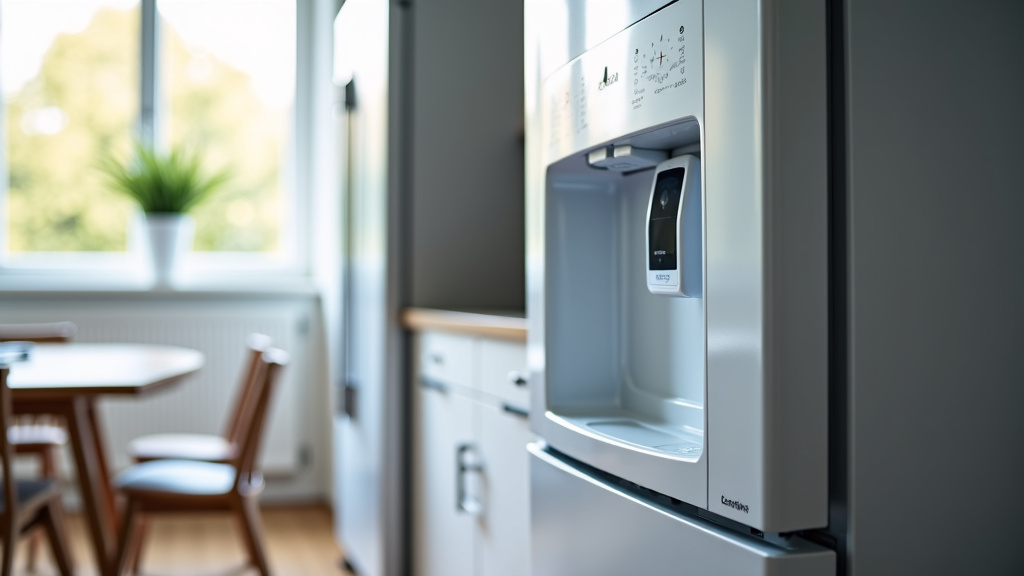
A built-in water dispenser is a refrigerator feature that supplies filtered water directly from your appliance. It’s usually located on the outside of the refrigerator door. This makes getting a cool drink incredibly convenient and accessible without opening the fridge. Think of it as your personal, on-demand water station right in your kitchen.
Many modern refrigerators come equipped with this handy addition. It can offer both chilled water and sometimes even ice, all at the touch of a button. We found that having a built-in dispenser can significantly reduce your reliance on bottled water, offering a more eco-friendly and cost-effective solution for staying hydrated.
- A built-in water dispenser is a fridge feature for filtered water.
- It’s usually on the outside of the door for easy access.
- Dispenses chilled water and often ice.
- Reduces the need for bottled water.
- Offers convenience and potential cost savings.
Ready to learn more about how these dispensers work and what they can do for your kitchen? Let’s dive into the details of built-in water dispensers for beginners.
Understanding Your Refrigerator’s Built-In Water Dispenser
A built-in water dispenser is more than just a cool kitchen gadget. It’s a convenient feature that brings chilled, filtered water right to your fingertips. Most of these systems are found on the exterior of your refrigerator door. You simply press a button or a lever to get your drink. It’s designed to make staying hydrated easier and more accessible every day.
These dispensers are a smart addition to many modern refrigerators. They offer a steady supply of fresh, cool water. Some models even provide crushed or cubed ice. We found that this feature can really change your daily hydration habits. It often means reaching for a glass from the dispenser instead of opening the fridge door or grabbing a plastic bottle.
How Does a Built-In Water Dispenser Work?
You might be wondering what magic happens inside your fridge to get that water. It’s actually a straightforward process. Your refrigerator connects to your home’s water supply. A filter is usually installed within the refrigerator or nearby. This filter cleans the water before it’s stored. When you activate the dispenser, a valve opens. This allows the filtered water to flow through a tube to the dispenser nozzle.
The water is kept in a reservoir inside the refrigerator. This helps keep it nicely chilled. Some systems have a dedicated cold plate that chills the water as it flows. Others have a small tank that stores a limited amount of chilled water. The ice dispenser works similarly, using an internal ice maker that crushes or cubes ice for easy dispensing.
The Water Filtration Process
The filtration step is key to the dispenser’s performance. The type of filter used can vary. Most common are activated carbon filters. These filters are excellent at removing common impurities. This includes chlorine, sediment, and certain volatile organic compounds (VOCs). Many people notice an immediate improvement in the taste and smell of their water after using a filtered dispenser.
We found that following the manufacturer’s recommendations for filter replacement is vital. Filters typically need changing every six months, though some may last longer. A clogged or old filter won’t clean your water effectively. It can also slow down the water flow. Checking your refrigerator manual will tell you the exact replacement schedule for your model. This ensures you always get the cleanest, best-tasting water.
Types of Built-In Water Dispensers
When you look at refrigerators, you’ll see a few common types of dispensers. The most frequent is the external dispenser. This is the one mounted on the outside of the refrigerator door. It usually offers both water and ice. They are incredibly convenient for quick access.
Less common, but still an option, is the internal dispenser. This type is hidden inside the refrigerator door. You have to open the door to access it. While not as instantly convenient as an external one, it offers a cleaner look to the refrigerator exterior. It can be a good choice if you prefer a very minimalist design.
External Dispensers: The Popular Choice
External dispensers are by far the most popular. You can get a cold drink or ice without even opening the fridge door. This is a huge plus, especially on hot days. It also means less cold air escapes the refrigerator each time you get water. This can contribute to energy efficiency.
These dispensers often have a control panel. You can select water, cubed ice, or crushed ice. Some advanced models even offer measured fill options. This lets you dispense a specific amount of water. This is handy if you’re filling a water bottle or a pot for cooking. You’ll find these on a wide range of refrigerator styles, including French door and side-by-side models.
Internal Dispensers: The Sleek Alternative
Internal dispensers provide a sleek, uninterrupted door surface. If you value a clean aesthetic, this might be for you. You’ll typically find the dispenser located on the inside wall of the refrigerator compartment. You’ll still get filtered water and often ice, but you need to open the door to use it.
While they offer a streamlined look, we found that internal dispensers are less convenient for frequent use. Opening the door releases cold air. This means the refrigerator might work a bit harder to maintain its temperature. However, for those who prioritize design, they are a great option. They still provide the benefit of filtered water right from your fridge.
Benefits of Having a Built-In Water Dispenser
So, why consider a refrigerator with a water dispenser? The advantages are pretty clear. The most obvious is the sheer convenience. Having fresh, filtered water readily available makes it easy to stay hydrated throughout the day. You don’t need to buy bottled water or rely on pitchers that take up fridge space.
Beyond convenience, there are other strong points. Let’s look at some of the top benefits we uncovered.
Convenience and Accessibility
Imagine needing a glass of water. With a dispenser, it’s a simple press of a button or lever. No more digging through the fridge for a bottle. No more waiting for a water filter pitcher to do its job. This makes it incredibly easy for everyone in the household to get a drink, including children and older adults. It’s always ready when you are.
Cost Savings and Environmental Impact
The cost of bottled water can add up quickly. We found that switching to a built-in dispenser can lead to significant savings over time. Instead of buying cases of water, you’re using your home’s tap water. While there’s an initial cost for the refrigerator and filter replacements, it’s generally much cheaper than regular bottled water purchases.
From an environmental standpoint, this is a big win. Reducing your reliance on single-use plastic bottles helps decrease plastic waste. Many studies highlight the environmental impact of plastic production and disposal (EPA). By using your dispenser, you’re contributing to a greener kitchen and a healthier planet.
Improved Water Quality
Tap water quality can vary. Even if your tap water is safe to drink, it might have an unpleasant taste or smell due to chlorine or minerals. The filters in built-in dispensers are designed to remove many of these impurities. Many experts say activated carbon filters can make tap water taste much better (CDC). This means you and your family can enjoy cleaner, better-tasting water every day.
Space Efficiency
Water filter pitchers are common, but they take up valuable space in your refrigerator. They also need to be refilled. A built-in dispenser eliminates the need for these bulky items. The water storage is typically integrated into the refrigerator itself. This frees up shelf space for your food and other beverages. It keeps your fridge looking neater too.
Things to Consider Before You Buy
While a built-in water dispenser is a fantastic feature, it’s wise to consider a few things. Think about your household’s needs and preferences. This will help you choose the right refrigerator model.
Installation and Maintenance
Most refrigerators with built-in dispensers require a water line connection. This is usually a simple hook-up to your existing water supply. Some refrigerators come with the necessary tubing. Others might require a separate purchase. If you’re not comfortable with basic plumbing, you might need to hire a professional for the installation.
Maintenance is primarily about replacing the water filter. As mentioned, this is typically done every six months. Filter replacement is usually quite simple. Your refrigerator manual will guide you through the process. Some models have indicator lights that remind you when it’s time for a change. Keeping up with filter changes ensures optimal performance and water quality.
Filter Costs and Availability
Replacement water filters can be an ongoing expense. The cost of filters varies by brand and model. Some filters can be quite pricey. It’s a good idea to research the cost and availability of replacement filters for any refrigerator you’re considering. You don’t want to be stuck finding discontinued filters later on.
We found that generic or third-party filters are sometimes available. However, it’s often best to use the manufacturer’s recommended filters. These are typically designed to work precisely with your refrigerator’s system. They often offer the best filtration performance. Always check your warranty terms, as using non-approved filters could void it.
Water Line Requirements
Ensure you have access to a water line near where your refrigerator will be placed. This is usually a cold water line. If you don’t have one, you might need to have one installed. This would involve hiring a plumber, which adds to the overall cost. Most modern kitchens are equipped with these lines, but it’s always worth checking.
Freezer Space and Dispenser Features
Some refrigerators with dispensers might use a bit more freezer space for the ice maker and water reservoir. If you need maximum freezer capacity, this is something to note. Also, consider the specific dispenser features you want. Do you need just water, or ice too? Cubed, crushed, or both? Measured fill? Think about what you’ll use most often.
Here’s a quick checklist to help you decide:
- Do you want chilled water and ice?
- How often do you typically drink water?
- Are you prepared for filter replacement costs?
- Can you easily connect a water line?
- Do you prefer an internal or external dispenser?
- Is freezer space a major concern for you?
Conclusion
A built-in water dispenser can truly transform your kitchen experience. You get convenient access to chilled, filtered water right from your refrigerator. This feature helps you cut down on bottled water costs and reduce plastic waste. We’ve seen how it works, the different types available, and what to consider before buying. Making the switch means better hydration for your household and a more sustainable kitchen. Your next step is to assess your kitchen’s water line and decide which dispenser type best fits your lifestyle and design preferences.
Frequently Asked Questions
How often do I need to replace the water filter?
Most manufacturers recommend replacing your water filter every six months. This ensures the best water quality and flow. Your refrigerator manual will have the exact schedule for your specific model. Some fridges have indicator lights to remind you.
Can I install a water dispenser if my fridge doesn’t come with one?
Typically, a built-in water dispenser is a factory-installed feature. It requires specific internal components and a water line connection. Aftermarket installations are generally not feasible or recommended for most refrigerator models.
Does a water dispenser use a lot of electricity?
The water dispenser itself uses very little electricity. The main power draw comes from the refrigerator’s cooling system. Having a dispenser means opening the fridge door less often, which can actually help conserve energy.
What happens if my refrigerator’s water line freezes?
If your water line freezes, you’ll stop getting water from the dispenser. This can happen if the line is too close to a cold part of the refrigerator or the ambient temperature is very low. You may need to thaw the line or adjust your refrigerator’s temperature settings.
Are replacement filters expensive?
Replacement filter costs can vary widely by brand and model. We found that some filters can be quite pricey, while others are more affordable. It’s a good idea to check the price of replacement filters before you buy a refrigerator with a dispenser.