What Is a Cold Water Dispenser? What Really Happens
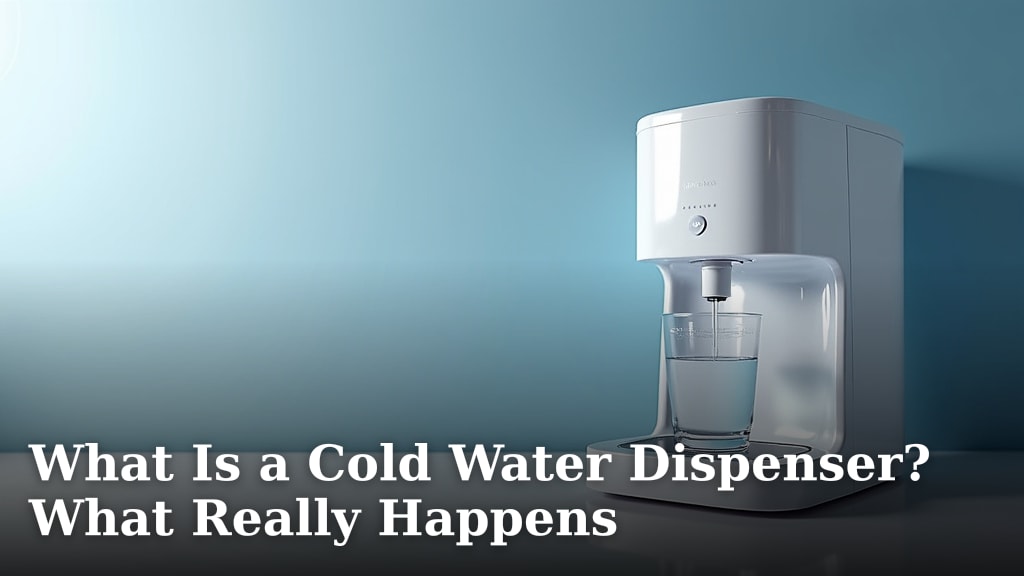
A cold water dispenser is a kitchen appliance that chills tap water and dispenses it on demand. It uses a refrigeration system, much like your fridge, to cool water stored in a reservoir. This means you get instant access to chilled water without needing ice or waiting for water to cool in the refrigerator. It’s a convenient way to stay hydrated.
These dispensers are designed for ease and efficiency. They typically connect to your home’s water supply or have a refillable reservoir. The cooling mechanism is generally energy-efficient, making it a practical choice for many households. They can help reduce your reliance on bottled water, saving money and cutting down on plastic waste.
- It’s an appliance that chills water.
- Uses a refrigeration system for cold water.
- Offers instant access to chilled water.
- Convenient and can save money.
Let’s look at what actually happens inside a cold water dispenser to deliver that refreshing chill you’re looking for.
“`htmlHow a Cold Water Dispenser Makes Water Cold
You might be wondering how that magic happens. It’s actually quite straightforward. A cold water dispenser uses a refrigeration system. This system is similar to the one in your refrigerator. It’s designed to cool water down to a refreshing temperature.
The Cooling Cycle Explained
Think of it like a tiny refrigerator just for your water. The core components include a compressor, a condenser, an expansion valve, and an evaporator. These parts work together in a cycle. This cycle removes heat from the water and transfers it outside the dispenser.
Key Components and Their Roles
The compressor is like the heart of the system. It pumps a special fluid called refrigerant. This fluid circulates through the system. The condenser releases heat from the refrigerant into the air. The expansion valve lowers the pressure and temperature of the refrigerant. Finally, the evaporator absorbs heat from the water stored in the dispenser’s reservoir.
From Tap to Chill: The Water’s Journey
Your tap water first enters a water reservoir inside the dispenser. This isn’t the same reservoir your fridge might use. It’s a dedicated tank where the cooling takes place. The evaporator coil wraps around this reservoir. As the refrigerant flows through the evaporator, it gets very cold. This cold coil chills the water surrounding it. You can see this process in action if you look closely at some models.
Different Cooling Technologies
Most cold water dispensers use a compressor-based cooling system. This is similar to what you find in your home fridge. It’s very effective at reaching lower temperatures and maintaining them. These systems are generally robust and provide reliably cold water.
Some smaller or more portable models might use thermoelectric cooling, also known as Peltier cooling. This method uses electricity to create a temperature difference. It’s quieter and has no moving parts like a compressor. However, it’s typically less powerful. This means it might not chill water as quickly or as cold as a compressor system. It’s often found in smaller countertop units.
Setting Up and Maintaining Your Cold Water Dispenser
Getting your dispenser ready is usually pretty simple. Most models have clear instructions. You’ll typically need to connect it to a water line or fill the reservoir. Then, you let the cooling system do its work.
Connecting to Your Water Supply vs. Refillable Reservoirs
Many dispensers connect directly to your home’s Many dispensers connect directly to your home’s water supply, as explained in our guide to plumbed water dispensers.water supply. This is very convenient because you don’t have to refill it. The dispenser automatically fills its reservoir from the tap. You just need to make sure the connection is secure and leak-free.
Other dispensers have a refillable reservoir. You’ll need to lift the lid and pour in fresh water. This is a good option if you can’t easily connect to your water line. It also gives you direct control over the water quality if you prefer using filtered water.
Initial Setup Steps
Regardless of the type, there are a few common first steps. You’ll want to flush the system. This removes any manufacturing residues. Run several glasses of water through the dispenser. This ensures the water is fresh and clean. Make sure to follow the manufacturer’s specific instructions for your model. Proper setup is key to good performance.
Keeping It Clean for Best Results
Regular cleaning is important. It ensures your water tastes great and the dispenser functions well. Think of it like cleaning your coffee maker. You don’t want old water sitting around.
What to Clean and How Often
You should clean the drip tray regularly. This catches spills and needs emptying. The exterior can be wiped down with a damp cloth. The reservoir and internal parts need periodic cleaning and sanitizing. Many manufacturers recommend a deep clean every 3-6 months. Some models have self-cleaning features, which can be very helpful. Some models have self-cleaning features, which can be very helpful for maintaining hygiene.
The Importance of Water Quality
If you’re using a refillable reservoir, consider the water you’re adding. Using filtered water can improve taste. It also helps prevent mineral buildup inside the dispenser. This buildup can affect the cooling efficiency over time. Many experts recommend using good quality water for the best drinking experience (CDC).
Benefits of Using a Cold Water Dispenser
Why choose a cold water dispenser? They offer several advantages for your home. They make it easy to access cold water anytime you want it.
Convenience and Accessibility
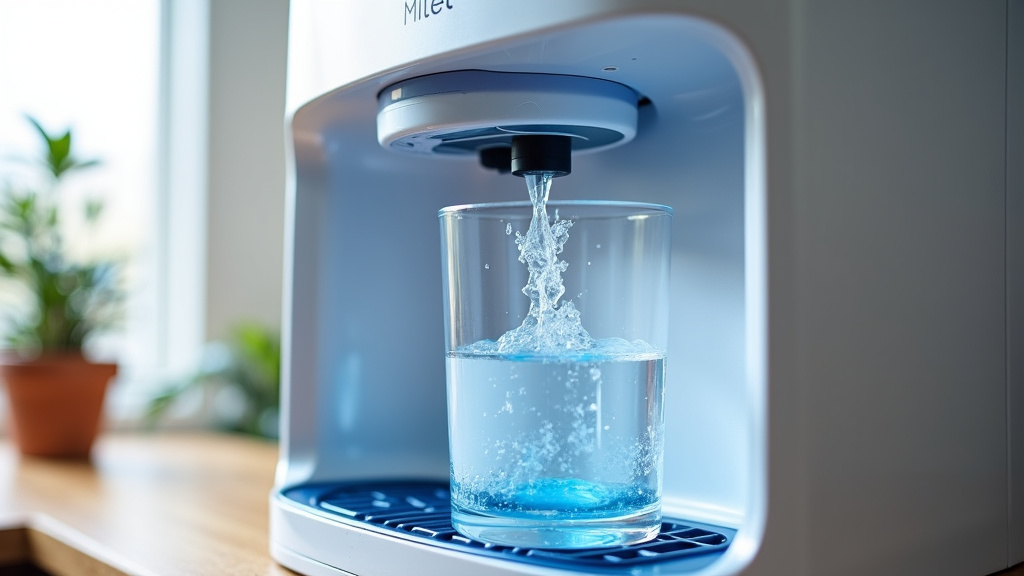
Imagine never having to wait for water to chill in the fridge again. A dispenser provides instant cold water. This is perfect for busy households. It’s also great when you’re exercising or feeling thirsty on a hot day. You just push a button or lever, and cold water flows.
Reducing Reliance on Bottled Water
Many people use bottled water for convenience. However, this can lead to a lot of plastic waste. Cold water dispensers offer an eco-friendly alternative. You can fill your reusable water bottles directly from the dispenser. This helps reduce plastic consumption. It can also save you money in the long run compared to buying cases of bottled water.
Hydration Habits and Health
Having cold, refreshing water readily available encourages you to drink more. Good hydration is essential for overall health. It supports bodily functions and keeps you feeling your best. Easy access to cold water can help you meet your daily hydration goals. Many health organizations emphasize the importance of drinking enough water (NIH).
Here’s a quick checklist to remember about your dispenser:
- It chills water using a refrigeration system.
- The cooling cycle involves refrigerant moving through specific parts.
- Water flows into a reservoir before being chilled.
- Connects to water lines or uses refillable reservoirs.
- Regular cleaning ensures fresh, great-tasting water.
- Promotes better hydration and reduces plastic waste.
Conclusion
You’ve learned that a cold water dispenser is a simple yet effective appliance for getting chilled water on demand. It uses a familiar refrigeration system to cool water stored in a reservoir, offering instant refreshment. Whether you connect it to your water line or refill it yourself, it’s a convenient way to stay hydrated. By reducing your need for bottled water, you’re also making an eco-friendly choice. If you’re looking for a practical upgrade for your kitchen that encourages healthy habits and saves money, a cold water dispenser is definitely worth considering. Take the next step by researching models that fit your kitchen space and needs!
Frequently Asked Questions
How cold does a cold water dispenser make the water?
Most cold water dispensers are designed to chill water to around 40-50 degrees Fahrenheit (4-10 degrees Celsius). This is reliably cold for drinking. The exact temperature can vary slightly depending on the model and its settings.
Can I use my own water filter with a cold water dispenser?
Yes, you often can. If your dispenser connects to your water line, you can usually install a filter before the connection. For refillable reservoir models, you can simply use filtered water when you fill it up to improve taste and reduce buildup.
How often should I clean my cold water dispenser?
It’s a good idea to clean the drip tray every week and wipe down the exterior regularly. For the internal parts and reservoir, aim for a more thorough cleaning and sanitizing every 3 to 6 months. Always follow your manufacturer’s specific cleaning recommendations.
Are cold water dispensers noisy?
Compressor-based models, like your refrigerator, can make some noise when the cooling system is active. This is usually a low hum. Thermoelectric models are generally much quieter, as they have no moving parts.
How much electricity do cold water dispensers use?
The energy consumption varies by model, but they are generally designed to be energy-efficient. Compressor models will use more energy than thermoelectric ones. They typically use less electricity than running a refrigerator constantly to keep a pitcher of water cold.