
What Is Inside a Water Cooler? A Full Guide
A water cooler is a simple appliance that dispenses chilled and sometimes hot water. It typically contains a water source, a cooling mechanism, and a dispensing system. You’ll find them in offices, gyms, and homes for easy access to drinking water.
Beyond just providing a cool drink, water coolers help reduce reliance on single-use plastic bottles. We found that understanding their components helps with basic maintenance. Many models also feature a heating element for hot beverages, making them quite versatile for your hydration and drink-making needs. They are a common fixture for good reason.
- A water cooler provides chilled and often hot water.
- Its main parts include a water supply, a cooling system, and a tap.
- They are used in many places for convenient hydration.
- Water coolers can help cut down on plastic bottle waste.
- Knowing the parts aids in simple upkeep.
Let’s walk through exactly what’s inside these everyday appliances so you know what you’re drinking from.
Understanding the Parts of Your Water Cooler
A water cooler might seem like a simple appliance, but it’s actually a neat piece of engineering. It’s designed to keep your water refreshingly cool, and sometimes even piping hot. We’ll break down the key components so you know exactly what’s happening inside that trusty dispenser.
The Water Supply: Where Does It All Begin?
Every water cooler needs a source of water. This is the first step in getting that clean, refreshing drink. There are two main ways water gets into your cooler. We found these methods cover almost all models you’ll encounter.
Bottled Water Coolers: The Familiar Jug
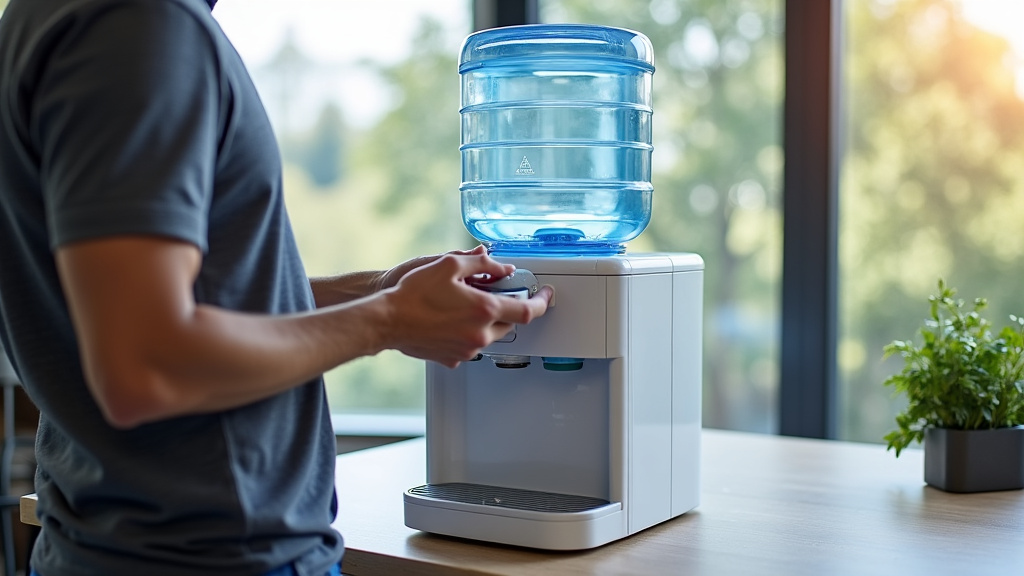
This is likely what you picture when you think of a water cooler. A large plastic or glass bottle sits upside down on top. The bottle contains purified or spring water. Its weight helps create a seal against the cooler’s intake. This prevents air from getting in and contaminating the water. Many people choose bottled water for convenience. It’s easy to swap out an empty bottle for a full one. For bottled water coolers, a water dispenser pump can make dispensing easier.
Plumbed-In Water Coolers: Connected to Your Supply
These coolers, also called point-of-use coolers, connect directly to your building’s water line. A tube runs from the cooler to a water pipe. This offers a continuous supply of water. You don’t need to lift heavy bottles. It’s a great option for busy offices or homes with high water usage. Experts often point to plumbed-in systems as being more eco-friendly due to less packaging waste (EPA).
The Cooling System: Making it Cold
The magic of a cold drink comes from the cooling system. It’s designed to lower the temperature of the water you’ll drink. This system is pretty standard across most cooler types. It’s where the chilling action happens.
Refrigeration Unit: The Heart of the Cooler
Inside, there’s a small refrigeration unit. It works much like the one in your refrigerator. A compressor pumps a refrigerant through a cycle of evaporation and condensation. This process absorbs heat from the water. The water then flows through cooling coils. These coils are usually located in a reservoir. This reservoir holds the water that will be dispensed cold. We found that the efficiency of this unit can vary by model. Newer models tend to be more energy-efficient.
Thermostat: Keeping It Just Right
A thermostat controls the cooling process. It monitors the water temperature in the reservoir. When the water reaches the set cold temperature, the thermostat turns off the refrigeration unit. When the temperature rises, it turns back on. This keeps your water consistently cold without running constantly. It’s a simple but effective way to manage energy use. Many users find the typical cold water temperature to be around 40-50°F (4-10°C), which is perfect for a refreshing drink.
The Heating System: For a Steaming Cup
Many water coolers offer a hot water option. This is a fantastic feature for making tea, coffee, or even instant soup. The heating system is separate from the cooling system. It has its own set of components to get the water hot.
Heating Element: The Warmth Provider
A heating element, similar to the one in a toaster or electric kettle, is used. This element is submerged in a separate water reservoir. When you select hot water, electricity flows to the element. It heats the water to a high temperature. This is usually around 180-190°F (82-88°C). That’s hot enough for most hot beverages. We found that this reservoir is typically smaller than the cold water one.
Hot Water Thermostat and Safety Features
Just like the cooling system, a thermostat manages the hot water temperature. It ensures the water heats up and stays at the desired temperature. Safety is also a big consideration here. Most hot water dispensers have a child-resistant lock. This prevents accidental scalding. You usually need to push a button or lever in a specific way to dispense hot water. This is a feature many parents appreciate.
The Dispensing System: Getting the Water Out
This is the part you interact with most. The dispensing system makes it easy to get your water. It involves the taps and the internal pathways. It’s designed for user-friendliness.
The Taps or Buttons: Your Control Panel
You’ll see levers, buttons, or paddle-like controls on the front of the cooler. These are your interface. When you press or push one, it activates a valve. There will typically be separate taps for cold, hot, and sometimes room-temperature water. We found that understanding which tap does what is key to a smooth experience.
Internal Tubing and Valves: The Waterways
Behind the taps are pathways made of food-grade plastic or silicone tubing. When a tap is activated, a valve opens. This allows water to flow from its respective reservoir (cold, hot, or room temp) through the tubing and out of the spout. These components are designed to be durable and hygienic. Regular cleaning is important to keep these waterways clear and free of any build-up. Many manufacturers recommend a simple sanitizing process. Consider a self-cleaning water dispenser to help with upkeep.
Other Important Internal Components
Beyond the core cooling, heating, and dispensing parts, a few other things are inside. These contribute to the overall function and maintenance of your cooler.
Drip Tray: Catching the Spills
You’ve probably noticed the tray at the bottom. This is the drip tray. It catches any small spills or drips that might occur. It’s removable for easy cleaning. Keeping this tray clean prevents water stains and keeps your area tidy. We found that emptying and washing the drip tray regularly is a simple but important part of cooler upkeep.
Fan and Condenser: Keeping Things Cool Efficiently
The refrigeration unit often includes a small fan. This fan helps to cool the condenser coils. The condenser releases heat from the refrigerant. This process helps the system run more efficiently. It’s usually located at the back or side of the cooler, often covered by a grill. Keeping this area clear of dust and debris is good for performance. Think of it like giving your cooler room to breathe.
Here’s a quick checklist to remember what’s inside:
- Water source (bottle or plumbed line)
- Refrigeration unit for cooling
- Heating element for hot water
- Thermostats to control temperature
- Taps and internal tubing for dispensing
- Drip tray for catching spills
- Fan and condenser for cooling efficiency
Conclusion
You now understand the essential parts that make your water cooler work. From the water source, whether a bottle or a direct line, to the systems that cool and heat your water, each component plays a role. You’ve learned about the simple mechanics behind dispensing cold or hot water and the small but important parts like the drip tray and fan. Knowing these internal workings can help you maintain your cooler better and appreciate its convenience. Take a moment to check your cooler’s manual for specific cleaning or maintenance tips to keep it running smoothly for years to come.
Frequently Asked Questions
How often should I clean my water cooler?
We recommend a thorough cleaning every 3 to 6 months. This includes sanitizing the reservoirs and internal tubing. Regularly emptying and washing the drip tray is also important. Proper cleaning helps ensure your water tastes fresh and the cooler operates efficiently.
Can I use tap water in a bottled water cooler?
While you *can* fill a bottle with tap water, it’s generally not recommended for most bottled water coolers. These coolers are designed for specific bottled water. Using tap water might introduce impurities or affect the taste. It could also potentially lead to mineral buildup inside the cooler’s system.
Why is my water cooler not getting cold enough?
If your water isn’t cold, check if the cooler is plugged in and the thermostat is set correctly. Ensure the vents at the back aren’t blocked, allowing the fan and condenser to work. We found that sometimes simply unplugging it for a few minutes and plugging it back in can reset the cooling system.
Is a plumbed-in water cooler better than a bottled one?
Both have advantages. Plumbed-in coolers offer endless water without heavy lifting and less waste from bottles. Bottled coolers are easy to install anywhere and give you control over water type. Your choice depends on your needs for convenience, cost, and environmental impact.
What is the purpose of the fan inside a water cooler?
The fan is part of the cooling system. It helps to cool the condenser coils, which release heat from the refrigerant. This process helps the refrigeration unit run more efficiently. Keeping the area around the fan clear of dust ensures it can perform its job effectively.