What Is a Water Dispenser Made Of? What It Means
A water dispenser is typically made of food-grade plastics like polypropylene or ABS for its housing and water reservoirs. The spigots are often made of durable metals like stainless steel or chrome-plated brass. This ensures safety and longevity for storing and dispensing your drinking water.
Understanding the materials used is key to choosing a dispenser that’s safe and reliable. These choices directly impact the water’s taste and purity. Many manufacturers prioritize BPA-free materials to give you peace of mind about your water quality.
- Water dispensers use food-grade plastics and durable metals.
- Key materials include polypropylene, ABS, stainless steel, and brass.
- BPA-free plastics are often used for water reservoirs.
- Material choices impact water safety and taste.
Let’s dive into the specifics of what your water dispenser is made of and why it matters for your health and convenience.
You’ve got your water dispenser, and it’s working like a charm. But have you ever stopped to think about what’s actually inside and how it keeps your water clean and safe? It’s not just about the sleek exterior. The materials used are surprisingly important. If you’re using a bottled water cooler, a water dispenser pump can make accessing water easier.
Understanding Your Water Dispenser’s Build and What It Means
The materials your water dispenser is made from play a huge role in its performance and your health. Let’s break down the common components and why they matter so much.
The Outside: Housing and Exterior Components
The outer shell of your water dispenser is the first thing you see. Manufacturers choose these materials carefully for a few key reasons. You want something that looks good, lasts a long time, and is safe to have in your home.
Plastics: The Workhorse of Dispenser Exteriors
Most water dispenser housings are made from durable plastics. These are chosen for their strength, light weight, and ability to be molded into different shapes. They also tend to be cost-effective, which helps keep the price of the dispenser down for shoppers like you.
Common Plastics You’ll Find
You’ll often see polypropylene (PP) and ABS (Acrylonitrile Butadiene Styrene) used for the exterior. Both are well-regarded for their toughness. Polypropylene is known for its resistance to heat and chemicals. ABS is famous for its impact resistance, meaning it can take a bump or two without cracking.
These plastics are generally considered safe for contact with food and water. They don’t typically leach harmful chemicals into your water. This is a major plus when you’re looking for a reliable way to get your daily hydration.
Metals: Adding a Touch of Durability and Style
Some dispensers, especially higher-end models, might use metal for parts of the exterior or internal framing. This can add a sense of premium quality and robustness. Think stainless steel accents or a fully stainless steel casing for a more industrial look.
The Inside: Where Water Meets Materials
This is where things get really important for your water quality. The parts that directly touch your drinking water need to be safe and non-reactive. Manufacturers have to be very careful here.
Water Reservoirs and Reservoirs: The Heart of the System
The reservoirs, whether they hold a large bottle or have an internal tank, are critical. You want these to be made of materials that won’t affect the taste or purity of your water. This is why you’ll often see specific types of plastics used here.
BPA-Free Plastics: A Growing Standard
A major concern for many consumers is Bisphenol A, or BPA. Research has raised questions about its potential health effects (National Institute of Environmental Health Sciences). Because of this, many manufacturers now use BPA-free plastics for their water reservoirs. This is a reassuring detail for many shoppers.
Look for dispensers made with plastics like polypropylene (PP) or Tritan. These are commonly used BPA-free alternatives. They offer great durability and clarity without the chemical concerns associated with BPA.
The Importance of Food-Grade Materials
Regardless of the specific type of plastic, the key is that it’s “food-grade.” This means the material has been approved for contact with food and beverages. It has undergone testing to ensure it won’t leach harmful substances into what you drink.
Think of it like a special kind of plastic that’s been vetted by safety organizations. This ensures the water stays as clean and fresh as it was in the original bottle or source.
Spigots and Taps: The Dispensing Point
The spigots are the parts you interact with directly to get your water. They need to be durable and hygienic. Leaky or corroded spigots are not only annoying but can also be a breeding ground for bacteria.
Stainless Steel: The Gold Standard for Spigots
Stainless steel is a very popular choice for spigots. Why? It’s incredibly durable, resistant to corrosion, and easy to clean. It doesn’t react with water, so it won’t impart any metallic taste. Many experts point to stainless steel as an excellent material for food and beverage contact (FDA).
Chrome-Plated Brass: Another Common Option
You might also see spigots made of chrome-plated brass. Brass itself is an alloy that is quite sturdy. The chrome plating provides a smooth, shiny surface that is also resistant to corrosion. It offers a good balance of durability and cost.
Ensure the brass used is of a high quality and that the chrome plating is intact. Over time, if the plating wears off, the brass underneath could potentially react with water, though this is less common with reputable brands.
Internal Tubing and Connectors
These are the parts you don’t see but are essential for getting water from the reservoir to your cup. They need to be safe and prevent any contamination.
Silicone Tubing: Flexible and Safe
Many dispensers use food-grade silicone tubing for internal water pathways. Silicone is a flexible, heat-resistant material that is also non-toxic and BPA-free. It doesn’t affect the taste of water and is easy to clean.
Other Food-Grade Plastics
Similar to the reservoirs, other internal parts like connectors and some tubing might be made from food-grade polypropylene or polyethylene. These are chosen for their inertness and safety when in contact with drinking water.
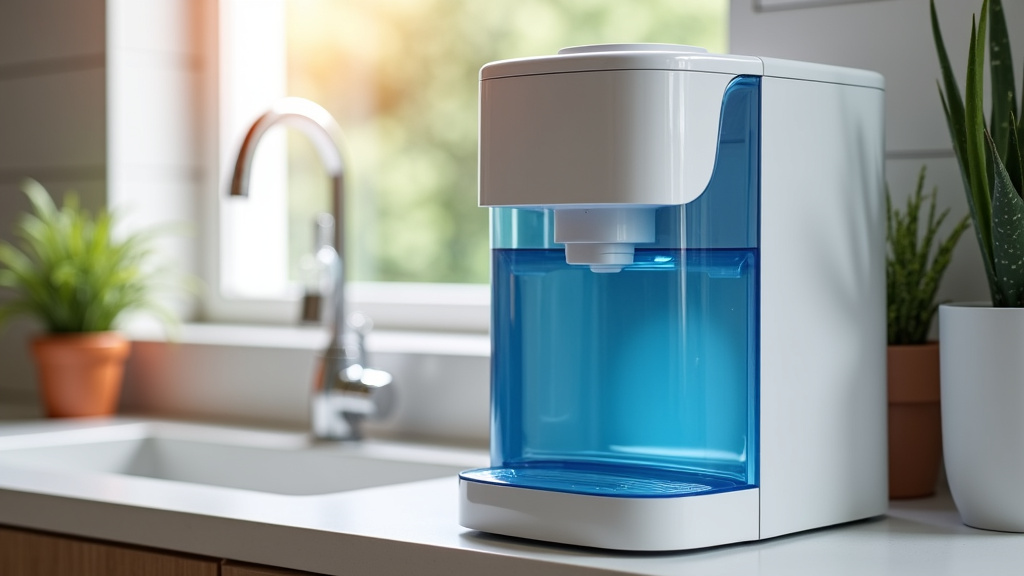
What These Materials Mean for You
The choices manufacturers make about materials directly impact your experience. It’s about more than just looks; it’s about health, taste, and longevity.
Safety First: Ensuring Potable Water
The primary goal is to ensure the water you drink is safe and free from harmful contaminants. Using food-grade, BPA-free plastics and non-reactive metals like stainless steel is key. These materials are chosen because they are proven not to leach chemicals into your water.
Regulations exist to ensure these materials meet safety standards. Reputable brands will clearly state that their products use food-grade and BPA-free materials, giving you peace of mind.
Taste and Purity: Does It Affect the Flavor?
Have you ever tasted water from a plastic bottle that tasted a bit “off”? The material matters! Certain plastics or metals can impart an unpleasant taste or odor to your water. That’s why stainless steel spigots are so popular – they are neutral.
When materials are inert and food-grade, they won’t interfere with the natural, clean taste of your water. This is especially important if you’re sensitive to subtle flavors.
Durability and Lifespan: How Long Will It Last?
You want your water dispenser to be a long-term solution, not something you have to replace every year. Materials like stainless steel and high-quality plastics contribute to a dispenser’s durability. They resist wear and tear, corrosion, and damage.
A well-built dispenser with robust materials will likely serve you better for longer. It means fewer worries about leaks, cracks, or parts breaking down. You get consistent performance without constant hassle.
Checklist: What to Look For in Your Dispenser Materials
When you’re shopping for a new water dispenser, keep these material considerations in mind:
- BPA-Free Plastics for all water contact parts.
- Food-Grade Certified Materials for reservoirs, tubing, and spigots.
- Stainless Steel for spigots and any direct water contact components.
- Durable Exterior Plastics like Polypropylene (PP) or ABS.
- Silicone Tubing for internal water pathways, if applicable.
- Clear Manufacturer Information about materials used.
Material Breakdown in a Nutshell
Here’s a quick look at where you’ll find common materials:
| Component | Common Materials | Why It’s Used |
|---|---|---|
| Housing/Exterior | Polypropylene (PP), ABS, Stainless Steel | Durability, weight, appearance, cost |
| Water Reservoirs | BPA-Free Plastics (PP, Tritan) | Safety, purity, taste, non-reactive |
| Spigots/Taps | Stainless Steel, Chrome-Plated Brass | Durability, hygiene, corrosion resistance, taste neutrality |
| Internal Tubing | Food-Grade Silicone, Food-Grade Plastics | Flexibility, safety, non-reactive, hygiene |
By understanding these materials, you can make a more informed choice. You’re choosing not just an appliance, but a reliable source of clean drinking water for your home or office. Another option to consider is a plumbed water dispenser, which connects directly to your water line.
Conclusion
You’ve learned that your water dispenser relies on carefully chosen materials for your safety and convenience. From durable, BPA-free plastics in reservoirs to hygienic stainless steel spigots, each component plays a role. These choices directly impact the purity, taste, and longevity of your daily hydration source. When shopping, always look for clear labeling of food-grade and BPA-free materials. Taking a moment to check these details ensures you’re bringing home a dispenser that offers peace of mind and reliably delivers clean water. Your next step is to check the specifications of your current dispenser or choose your next one wisely based on these material facts.
Frequently Asked Questions
Are all plastics used in water dispensers safe?
Not all plastics are created equal, but water dispensers typically use food-grade plastics. This means they’ve been approved for contact with beverages and won’t leach harmful chemicals. Always look for BPA-free options for added assurance.
Why is stainless steel preferred for water dispenser spigots?
Stainless steel is a top choice because it’s highly durable and resistant to corrosion. It’s also very hygienic and doesn’t affect the taste of the water, ensuring your drink remains fresh and pure when dispensed.
What does “BPA-free” really mean for my water dispenser?
BPA-free means the plastic used does not contain Bisphenol A, a chemical some research has linked to health concerns. Choosing BPA-free materials for water reservoirs offers reassurance that your water is as safe and pure as possible.
Can the materials in my water dispenser affect the taste of the water?
Yes, the materials can definitely impact taste. Low-quality plastics or certain metals might impart a plastic or metallic flavor. Using inert, food-grade materials like stainless steel or BPA-free plastics helps maintain the clean, natural taste of your water.
How can I be sure the materials used in my dispenser are safe?
Look for clear labeling from the manufacturer stating that the dispenser uses food-grade certified materials and is BPA-free. Reputable brands are transparent about their materials and prioritize consumer safety in their product design.