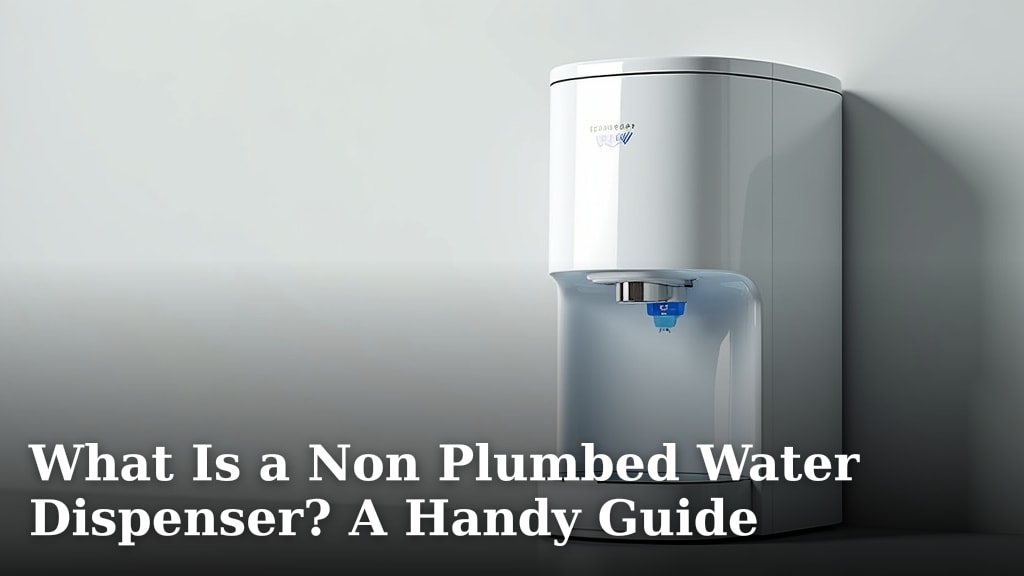
What Is a Non Plumbed Water Dispenser? A Handy Guide
A non plumbed water dispenser is a freestanding unit that holds its own water supply. You simply fill the reservoir, and it’s ready to go. These handy devices don’t need to connect to your home’s water line, making them incredibly versatile. They offer refreshing hot and cold water on demand without any complicated installation.
Think of it as a mini-fridge for water, but with extra features. You’ll find them perfect for places like small apartments, home offices, or even garages. Because they aren’t attached to pipes, you have the freedom to move them easily. This convenience makes them a popular choice for many households.
- Non plumbed dispensers hold their own water.
- No water line connection is needed.
- Easy to move and set up anywhere.
- Provides hot and cold water quickly.
- Great for renters or temporary use.
Ready to see if one of these is right for your needs? Below, we’ll walk through exactly what makes a non plumbed water dispenser so useful and what to look for.
Understanding Non-Plumbed Water Dispensers
A non-plumbed water dispenser is a freestanding appliance that holds its own water supply, meaning it doesn’t need to be connected to your home’s main water line. You simply fill a removable reservoir or jug with water, and the dispenser is ready to provide filtered water. This makes them incredibly A non-plumbed dispenser is convenient, but a plumbed water dispenser connects directly to your home’s water line.flexible and easy to set up just about anywhere in your home or office.
Think of it as a self-contained water station. Unlike water coolers that use large bottles, these units often have a more compact, integrated reservoir. They can provide both hot and cold water, making them super handy for various needs throughout your day.
How These Dispensers Work: The Simple Mechanics
The magic behind a non-plumbed water dispenser lies in its simplicity. At its core, it’s a unit with a water reservoir that you manually fill. This reservoir stores the water that the dispenser will then filter and cool or heat.
The Water Reservoir System
Most non-plumbed dispensers feature a removable water reservoir. This is usually a clear plastic jug or a tank that you can easily lift out, fill at your tap, and then place back into the unit. Some models have a reservoir at the top, while others have it integrated into the base.
Filling the reservoir is a straightforward process. You’ll typically just remove the jug, take it to your sink, fill it with fresh water, and then reinsert it. It’s a hands-on approach that gives you direct control over your water source. We found this setup to be very user-friendly for most people. If you use large bottles, a water dispenser pump can make filling easier.
Filtration for Purity
Many of these dispensers include a built-in filtration system. This is where the water gets purified before it’s dispensed. The type of filter can vary, but common ones include activated carbon filters, which are known for reducing chlorine taste and odor. Some might also include sediment filters to catch larger particles.
This filtration step is important for improving the taste and quality of your drinking water. It helps remove common impurities you might find in tap water, making it more enjoyable to drink. It’s a simple way to ensure you’re getting cleaner water on demand.
Cooling and Heating Elements
One of the biggest draws of these dispensers is their ability to provide both cold and hot water. The cooling system typically uses a refrigeration cycle, similar to a small refrigerator, to chill the water stored in a separate tank. The heating element is usually an electric heater that warms the water in another dedicated tank.
This dual functionality means you can instantly get chilled water for a refreshing drink on a hot day or hot water for tea, coffee, or instant meals. The heating element is usually designed to reach temperatures suitable for beverages, often around 180-195°F (82-90°C) (CDC).
Key Benefits of Choosing a Non-Plumbed Model
The primary advantage of a non-plumbed water dispenser is its simplicity and portability. You don’t need any plumbing expertise or the help of an installer to get it up and running.
No Installation Hassles
This is perhaps the biggest selling point for many. Because there’s no connection to your home’s water pipes, you skip the installation process entirely. No drilling, no special tools, and no need to call a plumber. You plug it in, fill the reservoir, and you’re good to go.
This makes them ideal for renters, people in dorm rooms, or anyone who doesn’t want to make permanent changes to their living space. It’s a very convenient solution for on-demand hydration.
Versatile Placement Options
Since they aren’t tethered by a water line, you can place these dispensers almost anywhere there’s a power outlet. They work great in kitchens, living rooms, home offices, workshops, garages, or even RVs. Their freestanding nature means you can move them around as your needs change.
Imagine having chilled water readily available in your home gym or hot water for your morning routine right in your bedroom. The flexibility is a huge plus for many households. You’re not limited by where your pipes are located.
Cost-Effective Water Solution
While the initial purchase price of a non-plumbed dispenser can vary, they often prove to be more cost-effective in the long run compared to bottled water delivery services. You’re buying the dispenser once and then just paying for tap water, which is generally much cheaper than bottled water.
Many families find that the savings add up quickly. Plus, you’re reducing the plastic waste associated with disposable water bottles, which is a benefit for both your wallet and the environment.
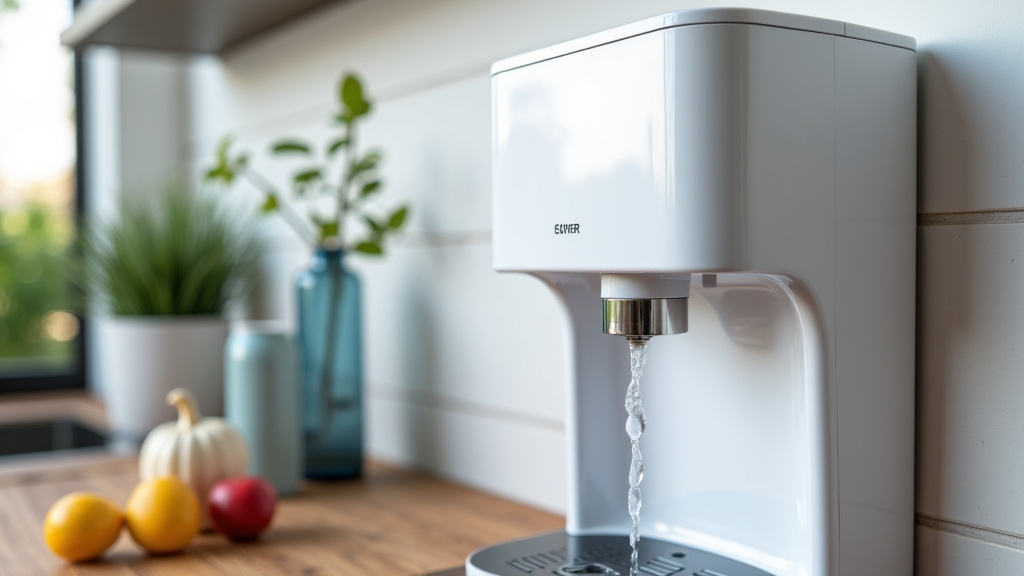
What to Look For in a Non-Plumbed Water Dispenser
When you’re shopping for a non-plumbed water dispenser, there are a few key features to consider to ensure you get the best fit for your needs.
Capacity and Size
Think about how much water your household consumes. Dispensers come in various reservoir sizes, typically ranging from 1 to 5 gallons. A larger capacity means you’ll refill it less often, which is convenient if you have a busy household or use a lot of water.
Also, consider the physical dimensions of the unit. Make sure it will fit comfortably in your chosen location without being obtrusive. Measure the space beforehand to avoid any surprises.
Cooling and Heating Performance
Check the dispenser’s cooling and heating capabilities. Some models offer faster cooling or more powerful heating than others. For hot water, consider the temperature range and how quickly it reaches it. For cold water, look for how many cups it can dispense per hour and how quickly it re-cools.
If you plan to use it for making tea or coffee frequently, a fast and efficient heating function is important. If you need a constant supply of ice-cold water, a robust cooling system is key. Many manufacturers provide specs on this, so look for those details.
Filtration System Quality
The type and quality of the filtration system are crucial for the taste and purity of your water. Look for dispensers that use reputable filtration methods like activated carbon. Some may offer multi-stage filtration for enhanced purification.
Consider how often the filters need to be replaced and the cost of replacement filters. This ongoing cost is part of the total ownership expense. We found that models with easily accessible and affordable replacement filters are often preferred.
Ease of Cleaning and Maintenance
Like any appliance that handles water, regular cleaning is necessary to prevent mold and bacteria growth. Look for dispensers with removable parts, such as drip trays and reservoirs, that are easy to wash. Some units might have self-cleaning features or indicator lights to remind you when cleaning is due.
A well-maintained dispenser will provide better-tasting water and last longer. Make sure you’re comfortable with the cleaning routine recommended by the manufacturer.
Noise Level
Refrigeration units can sometimes be noisy. If you plan to place the dispenser in a living area or bedroom, consider models that are advertised as being quiet or having low noise levels. Reading user reviews can often give you a good idea of how noisy a particular model is in real-world use.
Some newer models incorporate quieter cooling technologies, which can be a great feature if noise is a concern for you.
Energy Efficiency
Water dispensers use electricity to cool and heat water. Look for models with an ENERGY STAR rating or those that are described as energy-efficient. While it might not be a huge difference, it can contribute to lower electricity bills over time, especially if the unit is running constantly.
Some dispensers also have features like an energy-saving mode or a switch to turn off the heating or cooling when not in use, which can further reduce power consumption.
Simple Checklist for Choosing Your Dispenser
To help you make your decision, here’s a quick checklist of things to consider:
- Capacity: Does the reservoir size meet your household’s needs?
- Placement: Will it fit in your desired location and is there a power outlet nearby?
- Features: Do you need both hot and cold, or just one? How quickly does it heat/cool?
- Filtration: What kind of filter does it use, and how often do you need to replace it?
- Maintenance: Are the parts easy to clean?
- Noise: Is it suitable for the room you plan to put it in?
Conclusion
You now understand how a non plumbed water dispenser works and its many benefits. These units offer a straightforward way to enjoy filtered hot and cold water without needing complex installation. They are perfect for adding convenience to any space. Consider your household’s water needs and available space. You can easily find a model that fits your lifestyle and budget. Take the next step and find the right non plumbed dispenser to make your daily hydration simple and refreshing.
Frequently Asked Questions
How often do I need to refill the water reservoir?
This depends on the reservoir size and how much water your household uses. Larger dispensers hold more water and require less frequent refilling. We found that for a typical family, refilling might be needed every 1-3 days.
Are non plumbed dispensers noisy?
Some models have refrigeration components that can make a low humming sound. If noise is a concern, look for models specifically advertised as quiet or those with newer cooling technology. User reviews are a good source for real-world noise observations.
How do I clean a non plumbed water dispenser?
Cleaning usually involves regularly washing the removable reservoir and drip tray. Many manufacturers provide specific cleaning instructions. It’s important to follow these to maintain water quality and prevent bacteria growth.
Can I use any type of water in the dispenser?
You can use tap water from your home’s faucet. If your tap water has a strong taste or odor, the dispenser’s filter will help improve it. Always use potable (safe to drink) water in your dispenser.
What is the lifespan of a non plumbed water dispenser?
With proper care and regular maintenance, most non plumbed water dispensers can last several years. The lifespan can be affected by the quality of the unit and how often it’s cleaned and maintained according to the manufacturer’s guidelines.