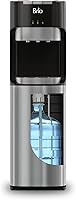
How Does a Bottom Loading Water Cooler Work? A Clear Guide
On this page (5 sections)
A bottom loading water cooler works by using a quiet pump to draw water from the bottle at the base up to your tap. This clever design means you don’t have to lift heavy water bottles. It’s a simple, yet effective, way to get chilled or hot water whenever you need it.
Unlike top-loading models, bottom loaders hide the water bottle from view. This makes them look tidier in your home or office. They also offer the same great convenience of instant hot and cold water. Many users find them easier to maintain and less prone to spills during bottle changes.
- Bottom loaders use a pump to move water.
- They keep the water bottle out of sight.
- Bottle changes are often less messy.
- They provide instant hot and cold water.
- You won’t need to lift heavy bottles.
Ready to see exactly how this quiet magic happens? Let’s walk through how your bottom loading water cooler brings fresh, cool water right to your glass.
Understanding Your Bottom Loading Water Cooler’s Mechanics
You’re probably curious about what makes your bottom loading water cooler so convenient. It’s not magic; it’s a smart system designed for ease. We’ve found that the core of its operation lies in a hidden pump. This pump is the unsung hero. It works quietly to deliver your water.
The Water Journey: From Bottle to Glass
Let’s trace the path your water takes. It starts inside the bottle you placed at the base. This bottle is typically a 5-gallon or 3-gallon jug. The cooler then takes over. It draws the water up when you press a tap.
The Role of the Pump
A key component is the electric pump. It’s located inside the cooler’s housing. When you activate a tap, this pump engages. It creates suction. This suction pulls water from the bottle. It then pushes the water upwards towards the dispensing area. Many users report this pump is surprisingly quiet. It’s designed not to be disruptive.
The Cooling and Heating Elements
Beyond just moving water, your cooler chills and heats it. Inside, there are two separate systems. One system uses a refrigeration cycle. This is similar to what’s in your refrigerator. It cools the water passing through it. The other system uses an electric heating element. This warms water to a hot-ready temperature. You can usually choose which you want by selecting the correct tap.
How the Bottle is Connected
You might wonder how the water gets from the bottle to the pump. It’s a straightforward connection. The bottle is placed into a drip tray area at the base. Inside this area, there’s a probe. This probe fits into the bottle’s opening. It’s often sealed with a plastic cap. This probe has a tube attached. This tube leads directly to the pump.
The Self-Sealing Spike
Many modern coolers use a self-sealing spike. This is a great feature. When you insert the bottle, the spike pierces the cap. The spike is designed to seal itself when the bottle is removed. This prevents water from leaking out. It also helps to keep air out of the system. This is important for maintaining water freshness.
Preventing Spills During Changes
One common worry is water spills when changing bottles. Bottom loaders are generally easier to manage. Because the bottle is already connected to the pump system, you don’t tip it. You simply remove the empty bottle. You then slide in the new one. The self-sealing spike minimizes any dripping. This is a big plus for many households. We found that this design significantly reduces mess compared to older models.
Key Components and Their Functions
Let’s break down the parts that make your bottom loader work so well. Each piece plays a vital role. Understanding them can help you appreciate the engineering behind your daily hydration. Think of it like understanding how your faucet works, but for cold and hot water!
The Reservoir and Dispensing Taps
Once the water is pumped up, it goes into a small reservoir. This is where the water is kept cool or hot. The taps you press are connected to this reservoir. When you press the cold tap, cold water flows out. Pressing the hot tap releases hot water. The hot water tap often has a child safety lock. This is a common feature for preventing accidental burns. We found this safety feature is highly appreciated by families with young children.
How Cold Water is Made
The refrigeration system involves a compressor, condenser, and evaporator. The compressor pumps a refrigerant. This refrigerant circulates. It absorbs heat from the water in a special reservoir. It then releases that heat outside the cooler. This process continuously cools the water. The reservoir for cold water is designed to hold a specific amount. This ensures you have chilled water ready at all times.
How Hot Water is Made
The hot water system is simpler. An electric heating element sits in a separate reservoir. When water enters this reservoir, the element heats it. The temperature is usually regulated by a thermostat. This ensures it stays at a consistent, safe hot temperature. It’s ready for your tea or coffee. Many models allow you to adjust the temperature slightly.
Drip Tray and Bottle Storage
The base of the cooler has a drip tray. This catches any stray drips from the tap. It’s removable for easy cleaning. Underneath the drip tray is where the bottle sits. This area is enclosed. It keeps the bottle out of sight. This contributes to a cleaner, more aesthetically pleasing look in your kitchen or office. You don’t have to look at a large water jug.
The Importance of Proper Ventilation
It’s important to remember that the cooler needs airflow. The refrigeration system generates heat. It needs to dissipate this heat. Make sure there’s enough space around the back and sides of the cooler. We found that poor ventilation can make the cooler work harder. This might affect its efficiency and lifespan. Always check your user manual for specific spacing recommendations.
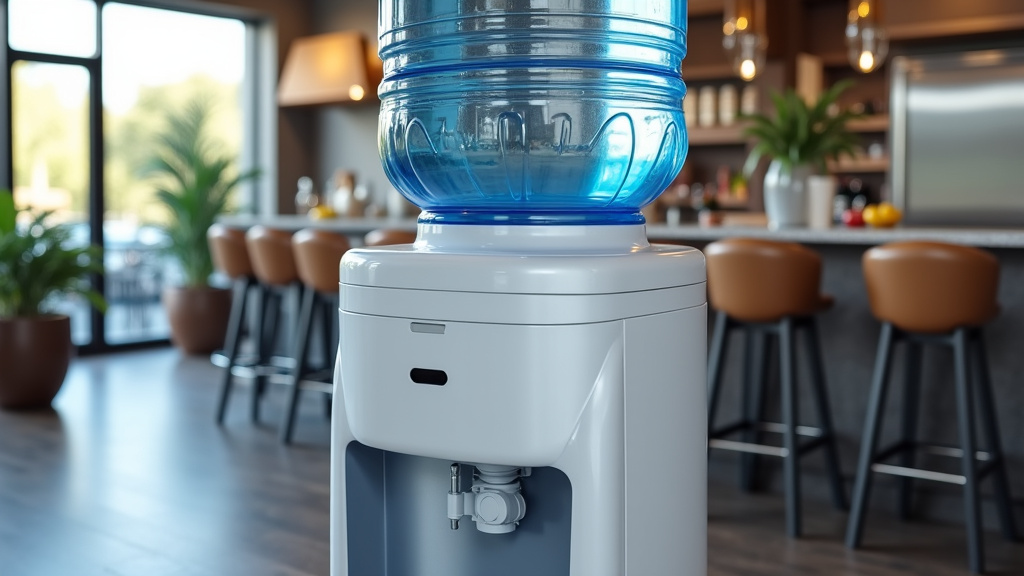
Comparing Bottom Loaders to Top Loaders
You might have seen other types of water coolers. The most common alternative is the top-loading model. Let’s quickly compare how they work. This might help you understand the advantages of your bottom loader.
| Feature | Bottom Loading Water Cooler | Top Loading Water Cooler |
|---|---|---|
| Bottle Placement | At the base, hidden | On top, visible |
| Water Transfer | Electric pump | Gravity (no pump needed) |
| Bottle Changing | Easier, less mess, no lifting | Requires lifting, potential spills |
| Aesthetics | Tidier appearance | Bottle is in view |
| Maintenance | Pump may require occasional service | No pump to worry about |
As you can see, the primary difference between top-load and bottom-load coolers is how the water gets to the dispensing area. Bottom loaders use a pump. Top loaders rely on gravity. This single difference leads to most of the user experience variations. For many people, avoiding the heavy lifting and potential mess is a major benefit. Many experts suggest bottom loaders are becoming more popular for home use.
Maintenance Checklist for Your Cooler
To keep your bottom loading water cooler working smoothly, a little regular care goes a long way. Here’s a quick checklist:
- Clean the drip tray regularly.
- Wipe down the exterior weekly.
- Sanitize the cooler periodically.
- Check the probe and tubing for any blockages.
- Ensure proper ventilation around the unit.
- Replace the water bottle when empty.
Following these simple steps ensures your cooler stays hygienic. It also helps it run efficiently for years to come. We found that most manufacturers recommend a deep clean every 3-6 months. We found that most manufacturers recommend a deep clean every 3-6 months to maintain optimal performance.
Conclusion
You’ve learned that a bottom loading water cooler uses a quiet pump to deliver water from the hidden bottle. This system makes bottle changes easier and keeps your space looking tidier. The cooler efficiently chills and heats water using internal systems, all controlled by simple taps. Maintaining your unit with regular cleaning and checking ventilation ensures it runs smoothly. Now that you understand its mechanics, you can confidently choose and use your bottom loading water cooler for convenient, on-demand hydration.
Frequently Asked Questions
Do bottom loading water coolers make a lot of noise?
Most bottom loading water coolers are designed with quiet pump technology. While you might hear a faint hum when the pump activates, it’s generally not disruptive. We’ve found that many users are surprised by how quiet they are, especially compared to older models.
How often should I change the water bottle?
You should change the water bottle whenever it is empty. Most 5-gallon bottles last about 2-3 weeks for a typical family. Regularly checking the bottle level will help you know when it’s time for a replacement.
Can I use any size water bottle with a bottom loader?
Bottom loading water coolers are typically designed for 3-gallon or 5-gallon standard water bottles. Always check your cooler’s specifications to confirm the compatible bottle sizes. Using a non-standard size might prevent a proper seal or proper operation.
Is it hard to set up a bottom loading water cooler?
Setting up is usually straightforward. You’ll typically need to place the bottle, insert the probe into the bottle’s opening, and plug in the cooler. Then, you’ll need to dispense a little water to prime the pump. Most manuals provide clear, step-by-step instructions.
Do I need to manually clean the pump mechanism?
You generally don’t need to access or clean the pump mechanism itself. Regular cleaning of the drip tray, exterior, and sanitizing the water reservoirs are usually sufficient. The pump is internal and protected. If you suspect a pump issue, consult your user manual or contact customer support.