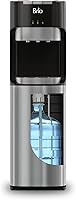
How to Buy a Water Cooler Dispenser
To buy the right water cooler dispenser, match the loading style, water temperatures, bottle size, placement and care features to your daily routine. Measure the space before you choose, then compare how each model handles bottle changes and cleaning.
On this page (14 sections)
- What should you check before you buy a water cooler dispenser?
- Is a top-load or bottom-load water cooler better?
- How many water temperatures do you need?
- How much space does a water cooler need?
- What bottle size should you buy?
- Which materials and construction details matter?
- Which water cooler features are worth paying attention to?
- Three water coolers to consider
- How do you compare bottom-load models?
- How do you compare a top-load and bottom-load dispenser?
- How should you plan cleaning and maintenance?
- What should you check during setup?
- More guides on this topic
- Is buying a water cooler worth it?
To buy the right water cooler dispenser, match the loading style, temperature choices, bottle size, placement and care needs to the way you drink water. A bottom-load model can make bottle changes easier, while a top-load model gives you a quick view of the remaining water.
Start by measuring the location and checking the bottle size you plan to use. Then decide whether you need cold, hot and room-temperature water, or only hot and cold water.
If the cooler will serve several people, our guide to the best office water coolers can help you compare features for shared spaces. For a tighter room, measure first and review our guide to water cooler size.
What should you check before you buy a water cooler dispenser?
The main buying decision is how the dispenser will fit your space and daily routine. Choose the loading style first, then compare temperature settings, safety controls, bottle compatibility and cleaning tasks.
A water cooler is an appliance you will use repeatedly, so small handling details matter. A bottle that is difficult to lift, a drip tray that is hard to reach or a hot-water button without a useful safety lock can affect everyday use more than appearance.
Use this checklist before comparing models:
- Loading style: top-load or bottom-load
- Bottle size: 3 gallon, 5 gallon or another stated size
- Water temperatures: cold, hot, room temperature or a combination
- Floor space and height
- Bottle replacement access
- Hot-water safety lock
- Nightlight or illuminated dispensing area
- Drip tray access
- Cleaning method
- Electrical outlet location
- Delivery route through doors and hallways
A model can suit one household and be inconvenient in another. For example, a top-load cooler may work well when someone can lift a full bottle, while a bottom-load cooler may be easier for a user who wants the bottle stored in a lower cabinet.
Is a top-load or bottom-load water cooler better?
A bottom-load water cooler is usually easier for bottle changes, while a top-load cooler makes the bottle level easy to see. Neither loading style is best for every buyer.
Top-loading dispensers place the bottle above the dispensing area. You can often see when the water level is low, but replacing the bottle means lifting and turning a full container into position.
Bottom-loading dispensers keep the bottle in a lower cabinet. You slide the bottle into the compartment instead of lifting it onto the top, but you need enough front clearance to open the cabinet and connect the bottle.
The bottle location also changes the visual height of the setup. A top-load cooler needs overhead room for the bottle, while a bottom-load model needs room in front for the lower door or cabinet.
Think about who will replace the bottle. In a family, office or shared room, a bottom-load design can reduce the strain of lifting.
In a low-use area where bottle visibility matters most, a top-load design may be simpler.
How many water temperatures do you need?
Choose 3 temperature settings if you want cold, hot and room-temperature water from one dispenser. Choose 2 settings if cold and hot water cover your normal drinks.
Cold water suits drinking and chilled beverages. Hot water can support tea, coffee, hot cocoa or instant soup, but a hot-water outlet should have a safety feature if children can reach it.
Room-temperature water gives you another option when you do not want chilled or heated water. It can also make the dispenser more useful for people with different preferences.
A temperature label alone does not tell you how quickly the unit dispenses or how much water is available at once. Compare the actual controls and the placement of each spout.
If you use single-serve coffee pods, read which water dispensers work with K-Cups before choosing. A regular hot-water spout does not automatically mean a dispenser works with K-Cups.
How much space does a water cooler need?
A water cooler needs enough space for the cabinet, the bottle, the power cord and routine access. Measure the width, depth and height of the complete setup, not only the cabinet.
Check the following measurements:
- Measure the floor area where the cooler will stand.
- Measure the height needed for a top-load bottle or an open bottom cabinet.
- Leave room to stand in front while replacing a bottle.
- Check whether the drip tray can slide out.
- Keep the electrical outlet reachable.
- Measure doors, turns and hallways on the delivery route.
A freestanding cooler should sit on a level floor. Avoid placing it where a nearby door, cabinet or appliance blocks the dispensing area.
For a top-load model, measure from the floor to the highest point of the bottle setup. For a bottom-load model, measure the front clearance needed to open the lower compartment.
Do not assume a slim cabinet will solve every space problem. The area above the cooler may still be needed for a bottle, cup, hand movement or cleaning access.
What bottle size should you buy?
Choose a dispenser that supports the bottle size you can lift, store and replace regularly. The products in this guide support 3 gallon or 5 gallon bottles where stated, but bottle compatibility should always match the exact model.
A 5 gallon bottle reduces how often you replace the supply, but it is also heavier and harder to lift. A 3 gallon bottle may be easier to handle, though you may need to replace it more often.
Top-load models require you to raise the bottle above the dispenser. Bottom-load models reduce that lifting step, but you still need to move the bottle into the lower cabinet.
Plan where full and empty bottles will stand. A convenient cooler can become difficult to use if replacement bottles are stored behind furniture or far from the dispenser.
Bottles are not included with the products below where the product information states that directly. Confirm the bottle arrangement before you buy, especially if you already use a refill service.
Which materials and construction details matter?
Focus on the parts that affect daily contact, cleaning and handling. Stainless steel can appear in the cabinet or water reservoirs, while other parts may use plastic or metal.
A stainless steel cabinet can suit a kitchen or office where the cooler remains visible. The finish does not remove the need to wipe spills, clean the drip tray or follow the care instructions.
Water-contact materials also matter because they touch the water you drink. Brio describes its reservoirs as food-grade 304 stainless steel.
That is a brand statement about the material, not a substitute for routine cleaning.
For a closer explanation of the parts inside a dispenser, read What Is Inside a Water Cooler? A Full Guide.
You can also compare common construction choices in What Is a Water Dispenser Made Of? What It Means.
Look at the control layout as well as the materials. Separate hot and cold spouts, an illuminated dispensing area and a removable drip tray can make the unit easier to use and maintain.
Which water cooler features are worth paying attention to?
The most useful features are the ones that solve a specific daily problem. Prioritize bottle access, hot-water safety, visible controls, cleaning support and drip-tray access before choosing decorative details.
Bottom loading
Bottom loading helps when lifting a full bottle onto the top would be difficult. The trade-off is that the bottle sits inside a cabinet, so you need room to open the front and connect the bottle.
Child safety lock
A hot-water safety lock helps reduce accidental dispensing. It is especially useful in a home, classroom or shared room where children can reach the controls.
For a school setting, compare the features in our guide to the best water cooler for school. Families can also review the best water dispensers for kids before choosing a placement and safety setup.
Nightlight or illuminated dispensing area
A nightlight helps you see the spouts and cup after dark. An illuminated dispensing area can also make it easier to identify the selected outlet and watch the drip tray.
Empty-bottle indicator
An empty-bottle indicator can tell you when the supply needs attention. This is useful in a shared office where several people use the cooler and no one wants to discover an empty bottle at the spout.
Self-cleaning support
A self-cleaning cycle can reduce some routine work, depending on the design and instructions. It does not mean you can ignore the bottle connection, drip tray or other care steps.
Three water coolers to consider
These products show three different ways to buy a water cooler dispenser. The first two use bottom loading and offer 3 temperature settings, while the third uses top loading and offers hot and cold water.
Avalon A4BLWTRCLR Bottom Loading Water Cooler Water
The Avalon suits a home or office buyer who wants bottom loading, 3 temperature settings and a stainless steel cabinet. It supports 3 or 5 gallon bottles, has hot, cold and room-temperature water, and measures 12 in D x 13 in W x 41 in H.
Its 5 gallon capacity and lower bottle access can make regular bottle changes easier than lifting a full container onto the top. The 3 temperature settings give you more choice than a basic hot-and-cold dispenser.
Avalon lists a 420 W heating power and 100 W cooling power. Those figures describe the heating and cooling systems, but they do not tell you how much water you will dispense at one time.
The built-in nightlight makes the spouts easier to see at night. The empty-bottle indicator lights when the bottle needs replacement, which can help in a shared kitchen or office.
The cooler is freestanding and corded electric. Its stainless steel and black finish may suit a visible kitchen or breakroom, while the 41 in height means you should check the surrounding space before delivery.
Choose this model if reducing bottle lifting and having a room-temperature option are both important. Check the front clearance for the lower bottle cabinet and remember that the bottle is not included.
Brio 520 Series Self Cleaning Water Dispenser
The Brio suits buyers who want bottom loading, 3 temperature settings and a self-cleaning feature. It holds a 5 gallon bottle, dispenses hot, cold and room-temperature water, and measures 15.6 in D x 12.2 in W x 41.4 in H.
The bottom-load design keeps the bottle in a lower cabinet, which can reduce heavy lifting and awkward bottle flipping. You still need enough room to open the cabinet and slide the bottle into place.
Brio describes the water reservoirs as food-grade 304 stainless steel. It also describes UV self-cleaning as a way to sanitize the unit, while routine care remains part of owning the dispenser.
The hot-water control uses a two-step process. The child safety lock must be released before dispensing, and the hot-water button automatically relocks after dispensing.
The LED nightlight illuminates the dispensing area and helps you see the drip tray. The model is freestanding and corded electric, with stainless steel and plastic listed as its materials.
Choose this model if hot-water safety and cleaning support matter as much as bottle access. Its 41.4 in height and 15.6 in depth make measuring especially important in a narrow kitchen or office corner.
Frigidaire EFWC498
The Frigidaire suits buyers who want a top-loading cooler with hot and cold water in a slim freestanding cabinet. It accepts 3 or 5 gallon bottles, measures 11 in D x 11.5 in W x 36 in H and uses 2 temperature settings.
The top-loading design lets you see the water level in the bottle. The trade-off is that you need to lift the bottle above the cooler during replacement.
Frigidaire gives this model separate hot and cold spigots with push-button controls. The hot-water outlet includes a child safety lock, which adds a useful control in a family or shared space.
The stainless steel weld tank is designed to prevent overheating and water drainage, and the removable drip tray supports easier cleanup. The materials are listed as metal and plastic.
This model is shorter and narrower than the two bottom-load options here. That can help when floor space is limited, but you still need overhead room for the top bottle and enough space to replace it safely.
Choose it if you prefer a simple top-load setup and do not need room-temperature water. Confirm that the bottle can be lifted safely and that the top clearance works in your chosen location.
How do you compare bottom-load models?
Compare bottom-load models by bottle access, cabinet clearance, temperature choices and care features. A self-cleaning function and a nightlight may matter more than a small difference in cabinet depth.
The Avalon and Brio both support 3 temperature settings and 5 gallon bottles. Both use bottom loading, so neither requires you to lift the full bottle onto the top.
The Avalon has a stainless steel cabinet, built-in nightlight and empty-bottle indicator. Its stated dimensions are 12 in D x 13 in W x 41 in H.
The Brio has UV self-cleaning, an LED nightlight and a child safety lock for hot water. Its stated dimensions are 15.6 in D x 12.2 in W x 41.4 in H.
Choose Avalon when an empty-bottle indicator and stainless steel cabinet are your main priorities. Choose Brio when self-cleaning support and a two-step hot-water control are more useful to your household.
If you are choosing by brand, compare our guides to the best Brio water cooler and the best Avalon water cooler.
How do you compare a top-load and bottom-load dispenser?
Compare the work required to replace the bottle, then check the temperature options and footprint. Top loading gives you visible bottle level, while bottom loading reduces the need to lift the bottle high.
The Frigidaire is the top-load choice in this guide. It is shorter and narrower than the Avalon and Brio, accepts 3 or 5 gallon bottles and provides hot and cold water.
The Avalon and Brio are bottom-load choices with 3 temperature settings. They keep the bottle in a lower cabinet, but their front access needs to remain clear.
Use a top-load design when bottle visibility and a simple layout are more important than lifting effort. Use bottom loading when bottle replacement is the main concern or when you want the bottle hidden below the dispensing area.
For an under-counter installation idea, see can you install an ice maker and water dispenser under a counter. A freestanding water cooler should not be treated as an under-counter appliance without checking the installation requirements.
How should you plan cleaning and maintenance?
Plan to wipe the exterior, empty the drip tray and follow the care instructions for the bottle connection and water-contact parts. A self-cleaning or antimicrobial feature can support care, but it does not replace the manufacturer's maintenance steps.
Keep cups, bottles and hands away from the spouts when possible. Clean spills quickly so water does not collect around the base or on nearby surfaces.
Check the drip tray often. A full tray can spill when you move the cooler or remove it for cleaning.
When changing a bottle, inspect the connection before starting the dispenser again. Make sure the bottle is seated correctly and that the water flows as expected.
Use the included care guide where one is supplied. The Avalon includes a use and care guide, while the Brio includes a manual and care guide.
Do not assume that a nightlight, empty-bottle indicator or self-cleaning button confirms that every water-contact part is clean. Those features solve specific tasks, not every maintenance need.
What should you check during setup?
Set up the cooler on a level floor near a suitable electrical outlet, then confirm that the bottle and dispensing areas remain accessible. Do not place it where a door, cabinet or appliance blocks normal bottle replacement.
Before bringing the unit into the room, measure the narrowest doorway and hallway. Compare those measurements with the cooler's depth and width, and allow space to turn the appliance at corners.
Once in place, check that the power cord reaches the outlet without creating a trip path. Keep the cooler stable and leave the controls visible.
For a top-load cooler, confirm that you can raise and position the bottle without hitting a shelf or cabinet above it. For a bottom-load cooler, open the lower door fully before you finalize the position.
Let the installation and care instructions guide the first setup. Do not add a bottle until the dispenser is ready for use according to its instructions.
More guides on this topic
Is buying a water cooler worth it?
A water cooler can be worth buying when you want a regular supply of bottled water with fast access to cold or hot drinks. The best choice depends on whether you value easier bottle changes, visible water level, more temperature options or a smaller footprint.
Choose the Avalon if you want a bottom-load design with 3 temperature settings, a stainless steel cabinet, a nightlight and an empty-bottle indicator.
Choose the Brio if you want bottom loading with 3 temperature settings, UV self-cleaning support, an LED nightlight and a child safety lock.
Choose the Frigidaire if you want a slimmer top-load design with hot and cold water, 3 or 5 gallon bottle compatibility and a child safety lock.
Before you buy a water cooler dispenser, measure the complete setup and the delivery route. Then choose the loading style that matches the person who will replace the bottle most often.
Frequently asked questions
How do I buy a water cooler dispenser?
Start by choosing top-load or bottom-load access, then decide whether you need hot, cold and room-temperature water or only hot and cold. Measure the floor space, check the bottle size, review safety features and plan how you will clean the dispenser before ordering.
Is a top-load or bottom-load water cooler better?
A bottom-load water cooler keeps the bottle in a lower cabinet, which can reduce lifting and awkward bottle flipping. A top-load model is simpler to check at a glance because the bottle sits above the dispenser, but replacing a full bottle requires more lifting.
What size water bottle works with a water cooler?
Many bottled water coolers use 3 or 5 gallon bottles, but compatibility varies by model. Check the stated bottle size before you buy, and remember that bottles may need extra height above a top-loading cooler or clearance inside a bottom-loading cabinet.
Do water coolers need to be cleaned?
Yes. Follow the care instructions for the dispenser, bottle, drip tray and water-contact parts.
Features such as UV self-cleaning or antimicrobial treatment can support routine care, but they do not remove the need to follow the manufacturer's cleaning guidance.
Where should I put a water cooler dispenser?
Place it on a level floor near a grounded electrical outlet, with enough room to load the bottle, dispense water and remove the drip tray. Keep the controls and bottle area accessible, and measure the route through doors and hallways before delivery.