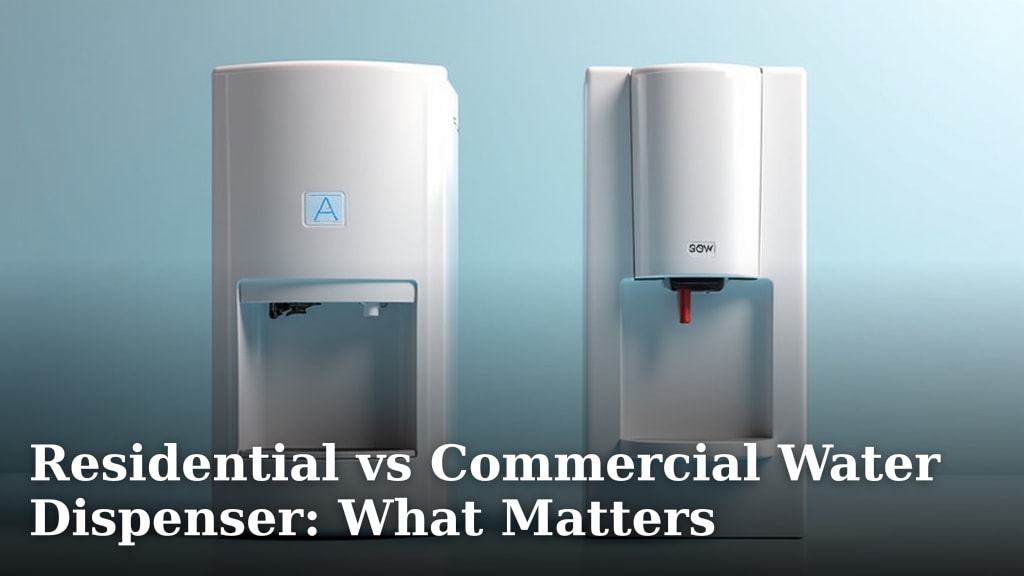
Residential vs Commercial Water Dispenser: What Matters
When deciding between a residential and commercial water dispenser, the main difference is their intended use, which affects their size, durability, and features. Residential units are designed for home use, focusing on convenience and style. Commercial dispensers are built for high-traffic areas, prioritizing heavy-duty performance and high dispensing volume.
Choosing the right water dispenser depends on where you plan to put it and how many people will use it. A home dispenser might offer sleek designs and multiple temperature options. A business might need a unit that can handle constant use and offers features like bottleless filtration for cost savings and ease of maintenance.
- Residential: For homes, smaller offices.
- Commercial: For busy businesses, public spaces.
- Look at durability and usage volume.
- Consider maintenance needs and filtration options.
Let’s break down what really matters so you can pick the perfect water dispenser for your needs.
Choosing the Right Water Dispenser: Home vs. Business Needs
When you’re looking for a water dispenser, it can feel like you’re wading through a sea of options. You might be wondering if you need something built for a bustling office or just a simple cooler for your kitchen. The truth is, understanding the difference between residential and commercial units will save you time and money. It all comes down to how and where you plan to use it. Think of it like picking a car: you wouldn’t use a compact car for hauling lumber, right? The same applies here.
A residential dispenser is like your trusty family sedan. It’s designed for comfort, convenience, and fitting into your home’s style. Commercial units, on the other hand, are more like a heavy-duty truck. They’re built to handle a lot of work and keep going. We’ll explore the key factors that make each type unique and help you decide which one is the best fit for your specific situation.
What Makes a Dispenser “Residential”?
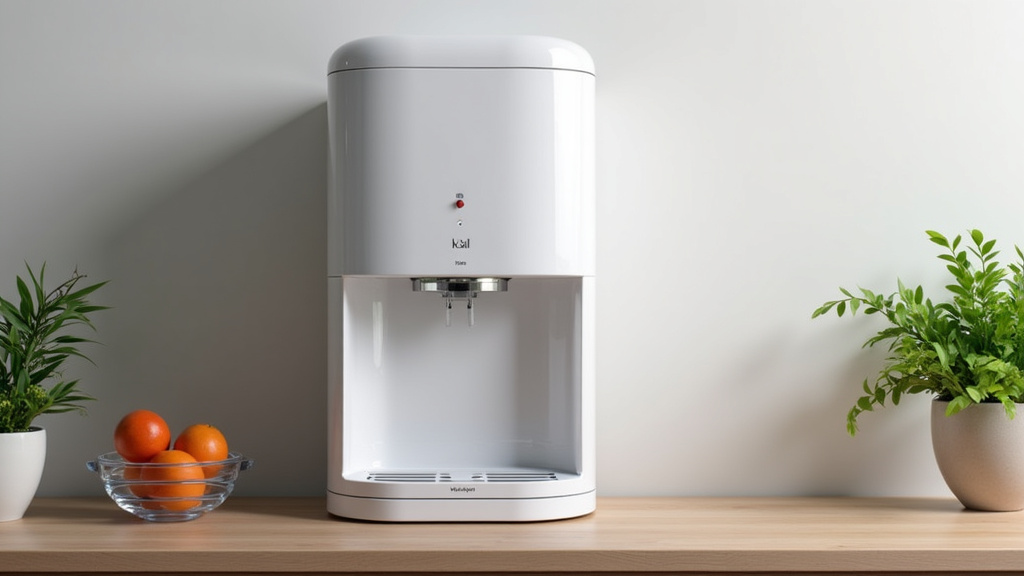
Residential water dispensers are tailor-made for your home. Their primary goal is to offer easy access to filtered water without taking up too much space or disrupting your kitchen’s decor. You’ll often find them with a sleeker design and a variety of features that cater to family needs.
Size and Style Considerations
When we looked at residential models, we noticed they come in various sizes, from compact countertop units to freestanding coolers. They’re usually designed to fit nicely in a kitchen, pantry, or home office. Many are available in different colors and finishes, like stainless steel or black, so they can blend in with your appliances. It’s all about making them a seamless addition to your home environment.
Temperature Options for Everyday Use
One common feature in home dispensers is the option for both hot and cold water. This is super handy for making quick cups of tea, instant coffee, or chilling a glass of water on a hot day. Some even offer a lukewarm setting, giving you more flexibility than you might get from your tap. It’s about convenience for your daily routine.
Filtration for Family Health
Most residential dispensers come with built-in filtration systems. These systems are typically designed to remove common impurities like chlorine, lead, and sediment. The goal is to provide your family with cleaner, better-tasting water. Filters need regular replacement, usually every few months, which is an ongoing cost to consider.
Capacity and Usage Volume
For home use, the water reservoir size is usually moderate. It’s meant to serve a family or a small gathering. You’ll find that a typical residential unit can dispense a few gallons of hot and cold water throughout the day without issue. However, if you’re hosting a large party or have a really thirsty household, you might find yourself refilling or waiting for the water to cool or heat up more often.
What Defines a Commercial Water Dispenser?
Commercial water dispensers are the workhorses of the water-dispensing world. They are built for environments where constant use and high volume are the norm. Think busy offices, gyms, waiting rooms, or public spaces. These units prioritize durability and performance over aesthetics, though many are now designed to look quite professional.
Robust Construction for Heavy Duty
The first thing you’ll notice about commercial dispensers is their sturdy build. They are made with stronger materials to withstand frequent use and potential bumps and knocks. We found that many units use stainless steel or reinforced plastics that can handle years of heavy operation. This robust construction means they are less likely to break down under pressure.
High Dispensing Capacity
Commercial units are designed to serve many people throughout the day. Their reservoirs are typically larger, and their cooling and heating elements are more powerful. This means they can provide a steady stream of hot and cold water without significant delays. Some models are specifically designed for very high traffic, capable of dispensing dozens of gallons per hour.
Filtration and Maintenance for Businesses
While many commercial dispensers use bottled water, we’re seeing a significant trend towards bottleless, plumbed-in models. These units connect directly to your building’s water supply and often feature advanced filtration systems, including UV sterilization, to ensure water quality. Bottleless systems drastically cut down on the cost and hassle of storing and replacing heavy water bottles. Maintenance is still required, but it’s often less frequent and more straightforward than managing a constant flow of water bottles.
Features for Efficiency and Hygiene
Commercial units often include features focused on efficiency and hygiene. Think about drip trays designed to catch spills from constant use, or touchless dispensing options to minimize germ transfer. Some advanced models can even monitor their own performance and alert you when maintenance is needed, which is a great feature for business owners who want to For businesses prioritizing hygiene, a self-cleaning water dispenser can be a valuable feature.ensure uninterrupted service.
Key Differences at a Glance
To help you visualize the distinctions, let’s look at a comparison table. This highlights the main points we’ve discussed, making it easier to see which type might be more suitable for your needs.
| Feature | Residential Dispenser | Commercial Dispenser |
|---|---|---|
| Intended Use | Home, small family, light office use | Busy offices, public spaces, high traffic areas |
| Durability | Standard, suitable for home environment | Heavy-duty, built for constant use and potential impacts |
| Dispensing Volume | Moderate, suitable for small groups | High, designed to serve many people quickly |
| Filtration | Standard filters, regular replacement needed | Often advanced filtration, sometimes UV, bottleless options common |
| Size & Style | Compact to freestanding, focus on home decor | Larger, sturdy build, professional appearance |
| Maintenance | Filter changes, cleaning | Filter changes, potential plumbing checks, less bottle management (bottleless) |
What Matters Most for Your Decision?
So, when you’re standing at the store (or browsing online), what are the most important things to consider? It’s not just about price; it’s about finding a dispenser that will serve you well over time. We found that focusing on a few key areas makes the choice much clearer.
Your Daily Water Consumption
First, think honestly about how much water you and your household or colleagues actually drink. Are you talking a few glasses a day, or is it more like gallons? If you have a large family or a busy office, a unit designed for higher volume will prevent frustration. For a single person or a small household, a standard residential unit might be perfectly adequate.
The Environment Where It Will Live
Where will the dispenser be placed? Is it a quiet corner of your kitchen, or a high-traffic area near a breakroom or reception desk? If it’s in a busy spot, you’ll want something built tough. A commercial-grade unit can withstand more wear and tear. Think about accidental bumps or constant button-pushing – the durability factor really comes into play here.
Maintenance and Ongoing Costs
Consider the long-term commitment. Residential units often rely on replaceable filter cartridges, which are an ongoing expense. Commercial bottleless units might have a higher upfront cost, but they can save money and reduce waste by eliminating bottle purchases and deliveries. Factor in the cost and ease of filter replacements for any system you choose.
Space and Aesthetics
Finally, how much space do you have, and how important is appearance? Residential dispensers often prioritize fitting into your home’s decor. Commercial units, while functional, might be larger and more utilitarian. If space is tight or you have specific design needs, measure carefully and consider the unit’s footprint and visual impact.
Checklist: Finding Your Perfect Match
To wrap things up, here’s a quick checklist to guide your decision. Ask yourself these questions:
- How many people will use this dispenser daily?
- Will it be in a high-traffic or a quiet area?
- Do I prefer bottled water delivery or a plumbed-in system?
- What is my budget for the unit and ongoing maintenance (filters, bottles)?
- How important is the dispenser’s appearance in its location?
- Do I need both hot and cold water, or just cold?
Answering these will point you clearly towards either a residential or commercial model, ensuring you make a choice you’ll be happy with for a long time.
Conclusion
Choosing between a residential and commercial water dispenser comes down to your specific needs. We’ve seen that residential units offer convenience and style for your home, focusing on moderate use and everyday comfort. Commercial dispensers, on the other hand, are built for durability and high-volume service in busy environments. By considering your daily water consumption, the location’s traffic, and your budget for maintenance, you can confidently select the dispenser that will best serve you. Take a moment to review the checklist we provided to ensure you make the perfect match for your space and lifestyle.
Frequently Asked Questions
Can I use a commercial water dispenser in my home?
Yes, you certainly can. If your household consumes a large amount of water, or if you frequently entertain guests, a commercial dispenser’s higher capacity and durability might be a good fit. Just be mindful that they can be larger and might have a more industrial look compared to residential models.
Are bottleless commercial water dispensers worth the higher upfront cost?
For many businesses and even large households, they are. Bottleless units eliminate the recurring cost and hassle of water bottle deliveries and storage. Our research indicates that over time, the savings on bottles and reduced waste can make them a more economical and convenient choice.
How often do I need to replace filters in each type of dispenser?
Residential dispenser filters typically need replacement every 3-6 months, depending on usage and water quality. Commercial bottleless units might have filters that last longer, sometimes up to a year, but this varies greatly by model and filtration system.
What if I only need hot water, not cold?
Some dispensers are designed specifically for hot water or have adjustable temperature settings. While many residential and commercial units offer both hot and cold, you can find specialized models if your needs are more singular. Look for units that clearly state their temperature capabilities.
Is a commercial dispenser louder than a residential one?
Generally, commercial dispensers can be slightly louder because their cooling and heating systems are designed for higher performance and more frequent operation. If quiet operation is a top priority for your home, you might want to listen to a unit in person or read reviews focusing on noise levels.