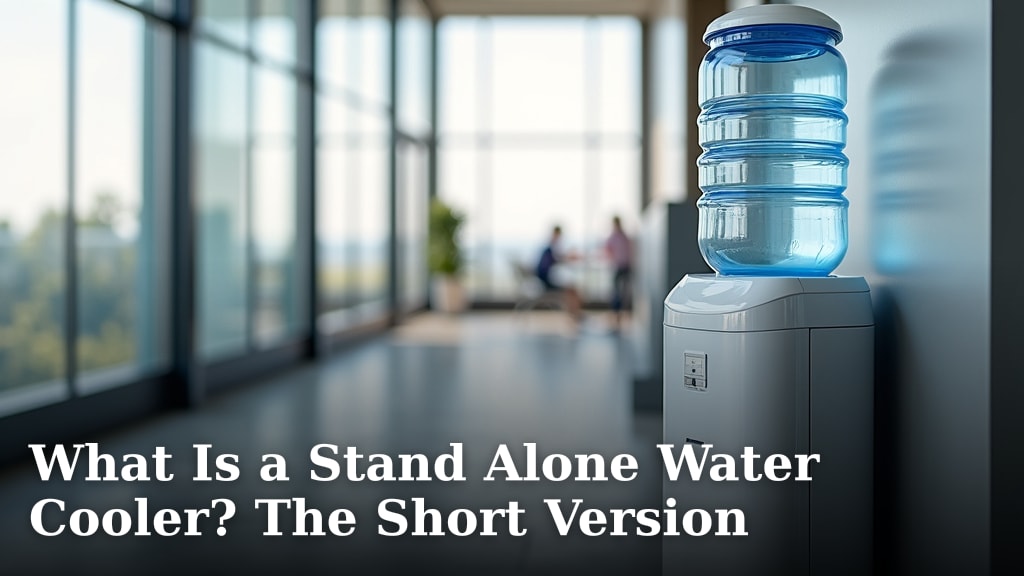
What Is a Stand Alone Water Cooler? The Short Version
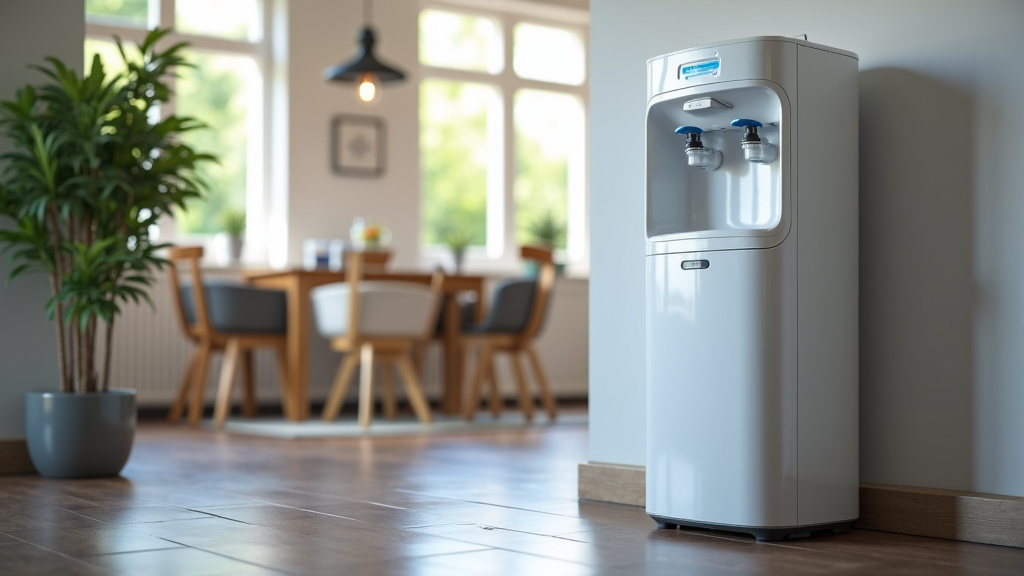
A stand-alone water cooler is a free-standing appliance that dispenses both hot and cold filtered water. You typically find them in offices or homes. They use either bottled water or a direct plumbing connection. This makes getting a refreshing drink or hot water for tea easy.
Unlike countertop models, these units sit on the floor. This means they often have a larger capacity. They also come in various styles to fit your space. Many people choose them for their convenience and because they offer a healthier hydration option than sugary drinks. We found they can be a great addition to busy environments.
- Dispenses hot and cold filtered water.
- Sits on the floor, no counter space needed.
- Uses bottled water or connects to your water line.
- Offers convenience and healthier hydration choices.
- Available in different styles and capacities.
Ready to learn more about how these convenient units work and what to look for? We’ll cover all the essentials to help you decide if a stand-alone water cooler is right for you.
“`htmlUnderstanding Stand-Alone Water Coolers
A stand-alone water cooler is essentially a home or office appliance that delivers chilled and hot water. These units sit directly on the floor, distinguishing them from smaller countertop models. They are popular because they offer a convenient way to access fresh, filtered water throughout the day. Many households and workplaces find them incredibly useful for daily hydration needs.
How Do These Water Coolers Work?
The magic behind a stand-alone water cooler lies in its internal workings. These units typically use either a large water bottle or a direct connection to your home’s water supply. Let’s break down each type to see how you get that perfect glass of water. These units typically use either a large water bottle or a direct connection to your home’s water supply.
Bottled Water Coolers
These are the most common type you’ll encounter. A large, usually 3-gallon or 5-gallon, water bottle sits on top or inside the cooler unit. When you press a dispenser button or lever, the cooler draws water from this bottle.
The Dispensing Process
When you need a drink, you press a button or pull a lever. Inside, a mechanism is activated. This allows water to flow from the bottle into your cup. For cold water, the cooler has a refrigeration unit that chills the water stored in its tank. For hot water, a heating element warms the water in a separate tank. It’s a simple, yet effective, system for providing instant refreshment.
Keeping it Cold and Hot
The refrigeration system uses a compressor, much like your refrigerator at home. It circulates coolant to lower the temperature of the water. The heating element is usually a simple electric coil. It heats water to temperatures suitable for making tea or coffee. Many models have separate thermostats to maintain the desired temperatures for both hot and cold water.
Plumbed-In (Point-of-Use) Water Coolers
These coolers connect directly to your existing water line. They don’t require a large bottle on top. Instead, they draw water from your tap and filter it on the spot. This is a great option if you want to avoid the hassle of changing heavy water bottles.
The Plumbing Connection
A small tube connects the cooler to a water source under your sink or behind a wall. When you dispense water, it flows through this tube. The cooler then chills or heats this water as needed. This type of cooler requires professional installation. This ensures the connection is secure and leak-free. It’s a more permanent solution for your hydration needs.
Filtration is Key
Both types of coolers usually include a filtration system. This removes impurities from the water. It helps improve the taste and quality of the water you drink. Filters need to be replaced periodically. Check your cooler’s manual for the recommended replacement schedule. Good filtration means better-tasting water for everyone.
Key Features to Consider
When choosing a stand-alone water cooler, several features can make a big difference. Think about your specific needs and where the cooler will be placed. This will help you find the perfect fit for your home or office.
Cold and Hot Water Dispensing
Most stand-alone coolers offer both cold and hot water. This is a major convenience. You can get a refreshing cold drink on a warm day. You can also quickly make hot beverages like tea or instant coffee. Some models also offer room-temperature water. This is a nice option if you prefer your water not chilled.
Cooling and Heating Capacity
Consider how much hot or cold water you’ll need at one time. If you have a large family or a busy office, you’ll want a cooler with a higher capacity. Check the specifications for how quickly it can cool or heat water. Some units have energy-saving features. These can reduce electricity usage when not in active use.
Filtration Systems
The type of filter included is important for water quality. Many coolers come with basic sediment filters. Others offer more advanced options like activated carbon filters. Activated carbon filters are excellent for removing chlorine and other odors. They can also reduce certain chemicals. Some higher-end models may even include UV sterilization. This kills bacteria and viruses.
Design and Size
Stand-alone coolers come in various sizes and styles. They can range from sleek, modern designs to more traditional looks. Measure the space where you plan to put the cooler. Ensure there’s enough room for it to stand comfortably. Also, consider the height of the dispenser spigots. Make sure your cups and water bottles fit easily underneath.
Ease of Use and Maintenance
How easy is it to change the water bottle or clean the unit? Look for features like drip trays that are removable for cleaning. For plumbed-in models, consider the filter replacement process. Most manufacturers provide clear instructions. A user-friendly design can save you time and frustration. Regular maintenance is key to keeping your cooler running smoothly. This includes cleaning the dispenser nozzles and replacing filters on schedule.
Benefits of Using a Stand-Alone Water Cooler
There are many reasons why people choose to have a stand-alone water cooler. They offer more than just convenient access to water. They can positively impact your daily life and well-being. Let’s look at some of the key advantages.
Improved Hydration Habits
Having readily available cold, filtered water encourages you and others to drink more water. It’s often more appealing than reaching for sugary sodas or juices. Many health organizations recommend adequate daily water intake. For example, the U.S. National Academies of Sciences, Engineering, and Medicine recommends about 15.5 cups (3.7 liters) of fluids a day for men and about 11.5 cups (2.7 liters) of fluids a day for women. A water cooler makes hitting these targets much easier. Staying hydrated is vital for energy levels and overall health.
Cost Savings Over Time
While there’s an initial investment, a water cooler can save you money compared to buying bottled water. Think about how many individual bottles of water you purchase weekly or monthly. The cost of those adds up quickly. For plumbed-in models, you’re essentially just filtering your tap water. This is typically much cheaper than bottled alternatives.
Environmental Friendliness
Using a reusable water cooler can significantly reduce plastic waste. We’re all becoming more aware of our environmental impact. Choosing a water cooler over single-use plastic bottles is a more sustainable choice. You’re cutting down on the production and disposal of plastic packaging. This helps the environment in a small but meaningful way.
Convenience and Versatility
The ability to get hot water instantly for beverages is a huge plus. Imagine not having to boil water on the stove for your morning tea. This saves time and energy. For cold water, it’s always ready when you are. This makes it ideal for quick refreshment during work or after exercise. The versatility makes them a popular choice for many settings.
Making Your Choice: A Quick Checklist
Deciding on the right water cooler can feel like a lot. To help you narrow down your options, consider these key points:
- Do you prefer bottled water or a plumbed-in connection?
- What is your budget for the unit and ongoing costs (filters, bottle delivery)?
- How much cold and hot water do you typically need?
- What is the available space for the cooler in your home or office?
- Are there any specific filtration needs you have?
- How important are energy efficiency and noise level to you?
Conclusion
You’ve learned that a stand-alone water cooler is a versatile appliance for your home or office. It provides convenient access to both chilled and hot filtered water. Whether you prefer bottled systems or plumbed-in models, these units can improve your hydration habits and offer long-term cost savings. They also contribute to a more environmentally friendly lifestyle by reducing plastic waste. Consider your needs for capacity, filtration, and space. Then, make an informed decision to find the perfect water cooler for your needs.
Frequently Asked Questions
How often do I need to change the water filter in my stand-alone cooler?
Filter replacement frequency depends on the model and water usage. Typically, filters should be replaced every 6 months. Check your cooler’s manual for the manufacturer’s specific recommendation. Regular filter changes ensure the best water quality.
Can a stand-alone water cooler replace my refrigerator’s water dispenser?
Yes, a stand-alone cooler can often provide better cold water than a refrigerator dispenser. They usually have larger capacities and more powerful cooling systems. This makes them ideal for high-demand situations.
Is a plumbed-in water cooler more expensive than a bottled one?
Initially, a plumbed-in unit might have a higher purchase price due to installation requirements. However, over time, it can be more cost-effective as you avoid ongoing costs for bottled water delivery. You’re essentially filtering your tap water, which is usually cheaper.
What is the noise level like for these water coolers?
Most modern water coolers are designed to be relatively quiet. The compressor for cooling can make some noise, similar to a refrigerator. Some models have advanced sound-dampening features. If noise is a concern, look for reviews that mention quiet operation.
How do I clean my stand-alone water cooler?
Cleaning involves regularly wiping down the exterior and dispenser area. You should also periodically clean the drip tray and sanitize the internal reservoir. Refer to your user manual for specific cleaning instructions. This helps maintain hygiene and prevent mineral buildup.