Do Water Filters Remove Lead?
Yes, some water filters remove lead, but only when they are made and certified for lead reduction. Reverse osmosis systems and pitchers with certified carbon or ion exchange media can reduce lead when used and replaced on schedule.
On this page (12 sections)
- Do water filters remove lead from tap water?
- Which water filters remove lead best?
- Can a water filter remove lead without plumbing work?
- What about a standard Brita pitcher for lead?
- Does a water filter remove lead, or only reduce it?
- Which water filters remove lead based on certification?
- How do you choose a drinking water filter for lead?
- Can a water filter remove lead from well water?
- What should you avoid when you filter lead from water?
- Which whole house option helps with lead?
- How do you use a lead filter safely each day?
- Do water filters remove lead: final choice
Yes, some water filters remove lead, but not every filter does. A filter removes lead only when the media or membrane is designed for it and the full system carries the right certification.
Lead can enter drinking water from pipes, solder, and fixtures, especially in older homes. You cannot see, smell, or taste dissolved lead, so certification matters more than basic taste improvement.
Do water filters remove lead from tap water?
Yes, but only certified systems should be trusted for lead. A basic filter that only improves chlorine taste may not reduce lead at all.
Reverse osmosis uses a membrane that blocks many dissolved contaminants, including lead. Carbon systems can reduce lead through adsorption and, in some models, ion exchange, but the claim must be specific.
That is why you should check what do water filters remove before you assume a pitcher or faucet filter covers lead. A general contaminant list is not the same as a lead certification.
Learn more in our guide to what do water filters remove when you want a broader view of common contaminants.
Which water filters remove lead best?
Reverse osmosis and certified carbon pitchers are the two main options for lead. Reverse osmosis usually gives the broadest reduction, while pitchers give a simpler setup.
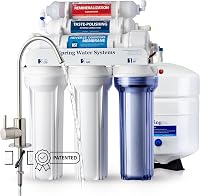
The iSpring RCC7AK-BN NSF Certified system is a 6-stage reverse osmosis system with a 75 gallon per day capacity. iSpring says it is certified to NSF/ANSI 58 for the full system and reduces lead by more than 98.9 percent under stated conditions.
It also includes a brushed nickel faucet, storage tank, and an extra tool set for under sink use. The transparent first-stage housing helps you see buildup and plan filter changes.
Reverse osmosis suits homes where you want one dedicated drinking water tap. It needs space under the sink and ongoing filter changes.
Can a water filter remove lead without plumbing work?
Yes, a pitcher can reduce lead if that exact filter is certified for lead. That makes a pitcher a common first step for renters or small kitchens.
The Aquagear Water Filter Pitcher holds 10 cups and uses activated carbon and ion exchange media. Aquagear says the filter is third-party tested for lead, chlorine, microplastics, PFOA, and PFOS, and each filter lasts 120 gallons.
Aquagear also says the media is made in the USA and the filter can be recycled through its postage-paid program. A pitcher still needs care, as you must refill it, wait for filtration, and replace the filter on schedule.
What about a standard Brita pitcher for lead?
Check the exact filter first, because not every Brita filter is certified for lead. The pitcher body does not decide what gets removed.
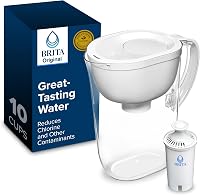
The Brita Large 10 Cup Water Filter Pitcher includes 1 filter and holds 10 cups. Brita says it reduces chlorine taste and odor, mercury, copper, zinc, and cadmium, and it works with Longlast and Standard filters.
That key point is simple: confirm the filter type before you rely on it for lead. Some Brita filters carry lead certification, and some do not, so the filter name matters more than the pitcher name.
The pitcher measures 10.47 inches tall, 5.59 inches wide, and 10.94 inches deep. That shape is made to fit many refrigerator shelves, but you should still measure your shelf.
Does a water filter remove lead, or only reduce it?
Most filters reduce lead by a tested percentage rather than removing every trace. The claim should say how much was reduced and under what test conditions.
iSpring says its reverse osmosis system reduces lead by more than 98.9 percent. Aquagear says its pitcher filter is third-party tested for lead, but it does not state the same percentage in the data we checked.
Ask three questions. Is lead named in the certification?
Is the full system certified, or only a part? How often must the filter be replaced?
If any answer is unclear, treat the product as unproven for lead. You can still buy it for taste, but do not count on it for lead protection.
Which water filters remove lead based on certification?
NSF/ANSI 53 covers lead reduction for carbon and other point of use systems. NSF/ANSI 58 covers reverse osmosis systems.
A full system certification is stronger than a claim about one part. The iSpring system is certified to NSF/ANSI 58 for the entire system, which is a clear signal for lead reduction.
For pitchers, look for NSF/ANSI 53 lead certification on the filter. If a brand only lists chlorine, taste, and odor, that is not proof of lead reduction.
You can compare options in our guide to the best water filter for lead removal. It puts certified choices side by side so you can check the claim before you buy.
How do you choose a drinking water filter for lead?
Start with certification, then fit, then filter life. A lead filter that does not fit your home will not get used.
A drinking water filter can be a pitcher, faucet mount, countertop unit, or under sink system. For lead, under sink reverse osmosis gives the strongest reduction, while a certified pitcher is simpler.
The iSpring system needs under sink space, water connections, and a dedicated faucet. It has a 6-month filter life cycle, and iSpring lists replacement sets for 6 months, 1 year, 2 years, and 3 years.
The Aquagear pitcher lasts 120 gallons per filter. The Brita pitcher lasts 40 gallons with a Standard filter or 120 gallons with a Longlast filter.
Longer life means fewer changes, but only if the filter is certified for lead.
Can a water filter remove lead from well water?
A lead filter can help, but well water should be tested first. Well water can have pH, hardness, iron, and sediment levels that affect filter performance.
Reverse osmosis systems often need prefiltration to protect the membrane. The iSpring design includes a transparent first-stage housing so you can see sediment buildup before it becomes a problem.
Pitchers are less suited to well water with high sediment or unusual chemistry. They are designed mainly for treated tap water and simple home use.
A water test tells you the lead level and the other conditions that matter. If you are also concerned about other contaminants, our post on do water filters remove microplastics explains how particle size changes the answer.
What should you avoid when you filter lead from water?
Avoid filters with vague claims and no lead certification. Words like clean, pure, or healthy do not prove lead reduction.
Do not rely on a filter because it improves taste. Chlorine reduction is useful, but lead is a separate claim that needs its own test and certification.
Do not skip replacements. Every filter here has a stated life, from 40 gallons to 120 gallons for pitchers and scheduled stages for reverse osmosis.
An overdue filter can let contaminants pass again.
Do not ignore flow and pressure limits. Reverse osmosis systems need enough water pressure to work well, and pitchers need time to filter each batch.
For fluoride concerns on top of lead, see how to filter fluoride out of water. Some systems cover both, while others cover only one.
Which whole house option helps with lead?
A point of use filter is usually the better choice for drinking water lead. Whole house systems treat all water, which can be costly and may not be needed for drinking.
Whole house filtration can help with sediment or taste at every tap. It does not always replace a certified drinking water filter for lead.
If you want to treat water at the entry point, compare best whole house water filter cartridges first. Then still check whether the drinking water needs a separate certified filter.
For a whole house path focused on lead, see the best whole house water filter for lead. Use it only after you confirm how it handles lead at the tap you drink from.
How do you use a lead filter safely each day?
Flush, filter, replace, and retest on schedule. Good habits keep the certification meaningful in real use.
For a pitcher, rinse the filter as directed, fill the reservoir, and let it filter fully before you pour. Do not pour unfiltered water directly into the filtered side.
For reverse osmosis, check the storage tank, faucet, and filters at each change interval. Keep the transparent housing in view so you can spot sediment buildup early.
Store filtered water in a clean container and use it within a reasonable time. If your home has old plumbing, also consider flushing the tap before you draw drinking water after long idle periods.
Do water filters remove lead: final choice
Pick reverse osmosis for the broadest lead reduction, or a certified pitcher for simple no-tool use. The right choice depends on your space, budget, and how often you will change filters.
Choose the iSpring RCC7AK-BN NSF Certified if you want under sink reverse osmosis with full system certification. Choose the Aquagear Water Filter Pitcher if you want a 10 cup pitcher with 120 gallon filter life and a stated lead claim.
Choose the Brita Large 10 Cup Water Filter Pitcher only after you confirm the filter you buy is certified for lead.
For more fluoride-focused choices, see the best water filter for fluoride. That guide helps if your water has more than one concern.
The safest path is clear. Confirm lead certification, use the filter on schedule, and test your water if you have older pipes or well water.
Frequently asked questions
Can a water filter remove lead from drinking water?
Yes, if the filter is designed and certified for lead reduction and you replace it on time. Look for NSF/ANSI 53 certification for lead, or NSF/ANSI 58 for reverse osmosis systems, and confirm the exact model covers lead in your water.
Does a standard pitcher filter remove lead?
Some pitcher filters are certified for lead, while others only reduce chlorine taste and odor. Check the filter name and certification, not just the pitcher size.
A pitcher without lead certification should not be treated as lead protection.
How do I know which water filters remove lead?
Check for NSF/ANSI 53 lead certification on carbon systems or NSF/ANSI 58 on reverse osmosis systems, plus the stated reduction claim. Also check filter life, water pressure limits, and replacement cost before you buy.