How to Filter Fluoride Out of Water
To filter fluoride out of water, use a reverse osmosis system or a filter certified for fluoride and verify the result with a test. Activated carbon pitchers alone do not reliably remove fluoride.
On this page (10 sections)
- What filters out fluoride, and what does not
- How to filter fluoride out of water with reverse osmosis
- How to filter out fluoride in water without an under sink system
- Why many carbon pitchers are a poor fluoride choice
- What should you check on a fluoride claim
- How to verify treatment performance after you install a filter
- How to choose between reverse osmosis, alumina, and carbon
- How to set up and maintain a fluoride filter for steady results
- What are the trade-offs of each option for daily use
- How to filter fluoride out of water when you want a clear decision
To filter fluoride out of water, use a reverse osmosis system or a filter certified for fluoride and verify the result with a test. Activated carbon pitchers alone do not reliably remove fluoride.
If you want a simple starting point, compare a drinking water filter by type first, then narrow the list to models with a clear fluoride claim. That step saves time, because many filters improve taste and chlorine without removing much fluoride.
What filters out fluoride, and what does not
Reverse osmosis and activated alumina are the main home methods for fluoride. Some activated carbon blocks also carry a fluoride certification, but the claim must name fluoride for that exact model.
Fluoride is small and dissolved, so it can pass through media that catches sediment, chlorine, or large particles. That is why a general list of what do water filters remove only helps if you read the fluoride line closely.
Standard pitchers often focus on taste, chlorine, and a few metals. Those results do not prove fluoride removal.
Always check the model name, not just the brand, before you buy.
How to filter fluoride out of water with reverse osmosis
Reverse osmosis is the most common whole-home drinking water route for fluoride. It pushes water through a membrane that reduces many dissolved contaminants, including fluoride, when the system is certified for it.
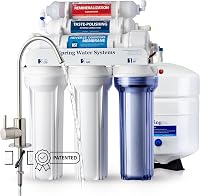
The iSpring RCC7AK-BN NSF Certified is a 75 GPD under sink reverse osmosis system with an alkaline mineral stage and a pH+ remineralization stage. iSpring says it is NSF/ANSI 58 certified for the full system and reduces fluoride by more than 97.4 percent.
Choose this type if you want dedicated drinking water at one faucet and you have space under the sink. It includes a storage tank, a brushed nickel faucet, and an extra tool set.
The trade-off is more parts and more maintenance than a pitcher. You will need to change stages on schedule and plan for the system size of 15.5 by 16 by 18 inches.
How to filter out fluoride in water without an under sink system
Pitchers and faucet filters can work only when the exact filter is rated for fluoride. A pitcher is easier to use, but you must confirm the fluoride claim and capacity before you rely on it.
The Aquagear Water Filter Pitcher holds 10 cups and uses a 120 gallon filter life. Aquagear says the filter is third-party tested for lead, chlorine, microplastics, PFOA, and PFOS, and keeps minerals like calcium and magnesium.
That pitcher suits renters or small kitchens because it needs no plumbing. It also includes a postage-paid recycling label for used filters, which can matter if you dislike throwing cartridges away.
Do not assume every pitcher filter works the same way. Media type, contact time, and remaining capacity change the result, so a fluoride claim for one cartridge does not cover another.
Why many carbon pitchers are a poor fluoride choice
Most granular carbon pitchers are built for chlorine taste and odor, not fluoride. Their media and flow path do not give fluoride enough contact or removal action in normal use.
The Brita Large 10 Cup Water Filter Pitcher holds 10 cups and fits refrigerator shelves at 10.47 inches tall. Brita says it reduces chlorine taste and odor, mercury, copper, zinc, and cadmium.
That focus explains the limit. This pitcher can be a good taste filter, but it is not the pick if fluoride removal is the main goal.
Replacement timing also matters. Brita states a standard filter lasts 40 gallons or about 2 months, while a Longlast filter lasts 120 gallons or about 6 months.
What should you check on a fluoride claim
Look for a fluoride specific claim, a standard, and a capacity in gallons. A claim that only lists chlorine, lead, or taste reduction does not answer your fluoride question.
Check for NSF/ANSI 58 for reverse osmosis systems, NSF/ANSI 53 or 61 where relevant, or a named fluoride reduction percentage for the exact cartridge. The iSpring system above states NSF/ANSI 58 certification for the full system.
Our pour-through shortlist starts with the best water filter for fluoride for model by model fluoride claims. If chlorine is also a concern, compare the best water filter for chlorine and fluoride side by side.
How to read a fluoride reduction percentage
A percentage tells you how much the filter claims to reduce under test conditions. It does not tell you the starting level in your tap water or how the filter performs near the end of its life.
For example, a 97 percent reduction from a high starting level still leaves some fluoride. That is why a before and after test matters more than a headline number alone.
How to verify treatment performance after you install a filter
Test the water before and after treatment, and keep a simple log. Use a fluoride test kit made for drinking water, and follow its timing and color or meter instructions closely.
Test on day one, again after the first week of normal use, and again near the stated capacity limit. Record the date, gallons passed, and result each time, so you can spot a drop in performance.
Also check chlorine or TDS only as a support signal, not as proof of fluoride removal. A drop in TDS can suggest the reverse osmosis membrane is working, but it cannot give you a fluoride number by itself.
If a test shows little change, check the cartridge model, installation direction, and bypass settings first. Then replace a spent filter and retest before you keep drinking the filtered water.
How to choose between reverse osmosis, alumina, and carbon
Pick reverse osmosis for the strongest general fluoride removal, alumina for a fluoride focused media route, and certified carbon only for light duty use. Your space, budget, and tolerance for maintenance should drive the final pick.
Reverse osmosis suits a fixed kitchen sink and gives you a dedicated faucet. It needs under sink space, periodic stage changes, and a storage tank, so measure the cabinet before you order.
Activated alumina targets fluoride in a cartridge, often as part of a larger filter. It can be a good fit when you want fluoride treatment without a full reverse osmosis system, but capacity still needs close tracking.
Certified carbon blocks can help in some faucet or inline models. They are worth a look only when the maker names fluoride for that exact model and states the test standard and gallon limit.
How to set up and maintain a fluoride filter for steady results
Install the filter by the manual, flush it as directed, and change media on time. Skipping the flush can leave fines or carbon dust in the first glasses, and late changes can let fluoride slip through.
For under sink systems, check for leaks at each new connection after the first day and after each filter change. Keep the storage tank and faucet area clean, and use only replacement stages made for that model.
For pitchers, wash the pitcher and reservoir by hand as directed and let the filter drain fully before you refill. Store filtered water in a clean container, and do not leave it sitting for days if you can avoid it.
If you store treated water for later use, our guide to water storage containers can help you pick a clean, covered option. For tank stored water, also see the best water filter for tank water storage for setup ideas.
What are the trade-offs of each option for daily use
Reverse osmosis gives strong removal but adds hardware, while pitchers give ease but need a fluoride specific cartridge. Storage, taste, and upkeep differ enough that the right pick depends on your kitchen and habits.
Reverse osmosis can change water taste by removing many dissolved substances, and some systems add minerals back for a more balanced taste. The iSpring model above uses a mineral stage for that purpose according to iSpring.
Pitchers keep minerals and need no tools, but they need fridge space and more frequent checks of the filter indicator. The Aquagear pitcher measures 11 by 6 by 11 inches, while the Brita pitcher is 10.47 inches tall, so shelf fit matters.
Some buyers also ask about newer contaminants at the same time. If microplastics are on your list, see do water filters remove microplastics and compare that claim with fluoride removal, because the best filter for one may not be best for the other.
Which option fits renters, small kitchens, and fridge water fans
Renters and small kitchens often do best with a pitcher or a simple faucet filter. Fridge users should also check the best frigidaire refrigerator water filter if the goal is fridge water rather than a separate fluoride filter.
Measure shelf height before you buy a pitcher, and confirm that the lid opens without hitting the shelf above. A 10 cup pitcher is a good middle size for most homes, but it still needs a clear path in and out of the fridge.
If you want a fixed faucet and no pitcher to lift, an under sink system is a cleaner long term fit. That route asks more up front in space and upkeep, but it removes the daily refill routine.
How to filter fluoride out of water when you want a clear decision
Start with your fluoride goal, then pick the filter type that proves it. If you need the strongest removal, choose a certified reverse osmosis system.
If you need portability, choose a pitcher or faucet filter only when fluoride is named for that cartridge.
To review models with fluoride claims first, start with the best water filter for fluoride. Then test your water before and after, and change the filter before capacity runs out.
That order keeps the choice honest. You get a filter that matches the task, a test that shows the result, and a routine you can actually keep up with.
Frequently asked questions
What filters out fluoride from drinking water?
Reverse osmosis and activated alumina can reduce fluoride, and some carbon blocks are certified for that claim. Check the exact model for a fluoride reduction claim and certification, and replace media on schedule so capacity does not run out.
Does a standard Brita pitcher remove fluoride?
A standard Brita pitcher is not presented here as a fluoride remover. Brita lists chlorine, mercury, copper, zinc, and cadmium reduction for this pitcher, so choose a filter with a specific fluoride claim if fluoride is your main concern.
How do I verify fluoride removal at home?
Test water before and after treatment with a fluoride test kit, then compare the after result with the filter maker's stated reduction and capacity. Record the date, gallons used, and result, and retest after a filter change to confirm the new cartridge works.
How often should I change a fluoride filter?
Change any fluoride filter at the maker's stated gallon limit or time limit, whichever comes first. Homes with higher fluoride, heavy use, or long storage should test more often, because tired media can let fluoride pass through sooner.