What Is a Bottom Load Water Cooler? The Honest Answer
On this page (7 sections)
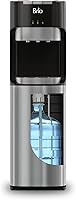
A bottom load water cooler is a type of water dispenser where the water bottle is placed on the floor, at the base of the unit. This design means you don’t have to lift heavy water bottles to load them. It’s a convenient and less strenuous option for many households and offices. You simply slide the bottle into the base and connect it to the internal pump.
Unlike top-loading models, bottom loaders often feature a more modern aesthetic. They typically have a sleek cabinet that hides the water bottle from view. We found this design helps keep your space looking tidy. Many models also include advanced features like different temperature options and child safety locks.
- Bottom load coolers hide the water bottle.
- Loading is easier – no heavy lifting.
- They often look more modern and tidy.
- Many offer cold and hot water options.
Below, we’ll break down exactly what a bottom load water cooler is and what you should consider before buying one.
Understanding the Bottom Load Water Dispenser
So, what exactly makes a bottom load water cooler different? It’s all about where the water bottle lives. Instead of precariously balancing a heavy jug on top, you simply slide it into a cabinet at the cooler’s base. This simple change makes a big difference in day-to-day use. You’re not wrestling with a 40-pound bottle anymore. It’s a real relief for your back and your nerves.
How Does It Actually Work?
The magic behind the bottom load design is a small, quiet internal pump. Once you’ve placed the bottle in its hidden compartment, you connect a tube from the pump into the bottle. When you press a button for cold or hot water, this pump gently pulls the water up to the dispensing taps. Think of it like a tiny, dedicated straw for your water bottle. This system means you get water without any heavy lifting or complicated setup. It’s designed to be user-friendly from the start.
Key Features to Expect
When you start looking at bottom load models, you’ll notice a few common features. Most offer both cold and hot water options. This is super convenient for making tea, instant coffee, or just enjoying a refreshing cold drink. Many also come with child safety locks on the hot water tap, which is a big plus if you have little ones running around. You’ll also find indicators for when the water is ready or when the bottle needs changing.
The Big Advantages: Why Choose Bottom Load?
The most obvious benefit is the ease of loading. If you’ve ever struggled to swap out a water bottle, you know what a pain it can be. With a bottom loader, it’s as simple as bending down and sliding the new bottle in. This makes them a fantastic choice for elderly individuals or anyone with mobility issues. It also means fewer spills and less mess in your kitchen or office. You save time and avoid frustration.
Physical Benefits and Accessibility
Let’s be honest, lifting those heavy water bottles can be a workout nobody asked for. Research from organizations like the Occupational Safety and Health Administration (OSHA) highlights the risks associated with improper lifting, including back strain and other injuries. A bottom load dispenser eliminates this risk entirely. You don’t need to strain your muscles or ask for help just to change the water. This makes it a more accessible option for a wider range of people. It truly simplifies a common household chore.
A Cleaner, Tidier Appearance
Beyond the practical advantages, bottom load coolers often have a sleeker look. The water bottle is tucked away, hidden behind a cabinet door. This keeps your space looking much cleaner and more organized. You don’t have a large, often colorful, water jug dominating your counter or floor space. Many designs are quite modern and can even enhance the aesthetic of your kitchen or office. It’s a small detail that contributes to a more pleasant environment.
Comparing Bottom Loaders to Top Loaders
The main difference, as we’ve discussed, is bottle placement. Top loaders require you to lift the bottle and invert it onto a dispenser top. This means the water flows by gravity. Bottom loaders use a pump and keep the bottle hidden. This often leads to a slight difference in dispensing speed. Some top loaders might dispense water a hair faster as gravity is doing the work. However, the pump in a bottom loader is generally very efficient.
The Bottling Process: A Quick Look
For top loaders, you place the bottle, remove the seal, and then the water starts flowing. It’s straightforward but can be messy. For bottom loaders, you slide the bottle in, secure the pump tube, and then dispense. This second method is less prone to spills. We found that the initial setup for a bottom loader might take a minute longer, but the bottle changes are significantly easier long-term.
Aesthetic and Space Considerations
Visually, bottom loaders usually win. They present a much cleaner profile. Top loaders can look a bit clunky with the bottle exposed. If you’re concerned about the overall look of your space, a bottom loader is often the better choice. They tend to blend in more with kitchen appliances. Some people also prefer the sound difference; the pump noise is often more of a gentle hum compared to the gurgling you might hear from a top loader.
Noise Levels: What to Expect
Both types of coolers make some noise. Top loaders might gurgle as water flows. Bottom loaders have a pump that runs. We found that the pump noise is usually a low, consistent hum. It’s generally not disruptive. Think of the sound your refrigerator makes – it’s in that general range. If you’re very sensitive to noise, it’s something to consider, but most users find it quite unobtrusive.
Factors to Consider Before Buying
Choosing the right water cooler involves looking beyond just the loading style. You’ll want to think about Choosing the right water cooler involves looking beyond just the loading style to consider if a plumbed water dispenser might be a better fit.how much water you use, the space you have, and any special features that are important to you. Consider the height and width of the unit to ensure it fits where you plan to put it. Also, think about the type of water bottles you’ll be using. Most bottom loaders are designed for standard 3 or 5-gallon bottles.
Capacity and Dispensing Needs
How many people will be using the cooler? If it’s just you, a smaller capacity might be fine. For a busy office, you’ll want a unit that can keep up with demand. Most coolers dispense water at a good rate, but checking reviews for specific models can give you a better idea. Think about how often you currently run out of filtered water. This will help you gauge the right size and performance.
Temperature Settings and Controls
Do you need just cold water, or is hot water essential? Many bottom loaders offer both, with separate taps. You might also find models with adjustable thermostats for precise temperature control. Some even offer a room-temperature option. Consider what you’ll be using the water for most often. Making hot beverages or baby bottles might require a reliable hot water tap with safety features.
Maintenance and Cleaning Recommendations
All water coolers need regular cleaning to ensure the water stays fresh and the machine operates efficiently. Manufacturers typically recommend cleaning the dispenser every 3-6 months. This usually involves descaling the water lines and sanitizing the reservoirs. Some models have self-cleaning features, like UV sanitization, which can reduce the frequency of manual cleaning. Always check the manufacturer’s guidelines for the best maintenance practices.
Bottom Load Water Cooler Checklist
Before you make your final decision, ask yourself these quick questions:
- Is easy bottle loading a top priority for me?
- Do I want the water bottle to be hidden from view?
- Do I need both cold and hot water options?
- Is there enough space for the cooler’s dimensions?
- Are safety features like child locks important?
- How frequently will the cooler be used?
Conclusion
A bottom load water cooler offers a practical solution for easier hydration. You get the convenience of easy bottle changes without heavy lifting. The hidden bottle also contributes to a cleaner, more organized living space. While they might have a slightly different dispensing feel than top-loaders, the benefits of accessibility and aesthetics are clear. When choosing, think about your daily water needs and desired features like temperature control. Take a moment to review your space and consider the overall footprint before making your final decision.
Frequently Asked Questions
How do I know if a bottom load water cooler is right for me?
If you struggle with lifting heavy objects or simply want to avoid the hassle of changing water bottles, a bottom load cooler is a great choice. It’s also ideal if you prefer a tidier look in your home or office, as it hides the water bottle from view.
Will a bottom load water cooler be noisy?
Bottom load coolers use a pump to draw water, which creates a gentle hum. We found this noise level to be comparable to that of a refrigerator – generally quiet and unobtrusive for most users. It’s usually less noticeable than the gurgling sometimes heard from top-loading models.
Are bottom load water coolers difficult to set up?
Setup is quite straightforward. You typically slide the bottle into the base, connect a tube from the pump into the bottle, and then plug in the unit. Many users found the initial setup to be less than 10 minutes, making it a user-friendly option.
Can I use any water bottle with a bottom load cooler?
Most bottom load water coolers are designed to accommodate standard 3 or 5-gallon water bottles. It’s always a good idea to check the specific model’s dimensions and requirements to ensure compatibility with the bottle sizes you intend to use.
How often should I clean my bottom load water cooler?
It’s recommended to clean your water cooler every 3 to 6 months to ensure optimal performance and water quality. This typically involves descaling and sanitizing the internal components. Some advanced models may offer self-cleaning features, which can help reduce the frequency of manual cleaning.