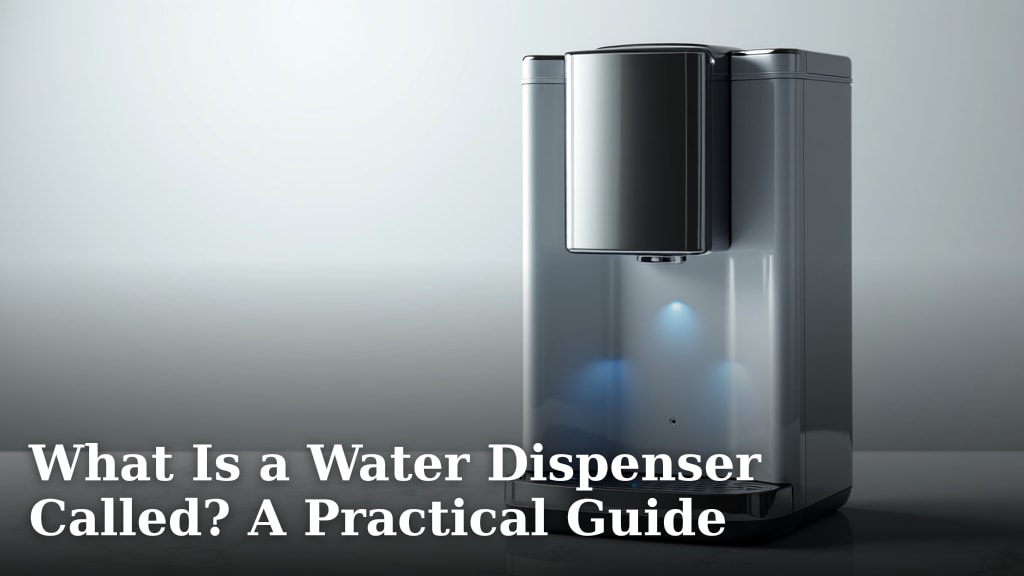
What Is a Water Dispenser Called? A Practical Guide
Common Names for Water Dispensers
You’ve probably heard a few different terms tossed around. A water dispenser is the broad, all-purpose name. But you might also hear it called a water cooler if it uses those large 5-gallon jugs. In an office, it’s simply the water cooler where people gather.
Some sleek models that connect directly to your plumbing are called point-of-use (POU) water dispensers. In many homes, a popular combo unit that chills and heats water is a hot and cold water dispenser. Ultimately, what it’s called often depends on its style and where you use it.
Types of Water Dispensers You’ll Find
Understanding the main categories helps you shop smarter. We found that dispenses generally fall into three primary groups based on their water source. Each has its own pros and cons for convenience, cost, and counter space.
Bottled Water Dispensers (Coolers)
This is the classic model. A large, heavy bottle (usually 3 or 5 gallons) is placed upside down on top. Gravity feeds water into an internal reservoir. You often see these in offices, waiting rooms, and older homes. The main benefit is simplicity—it doesn’t require any installation. The downside is the ongoing cost and hassle of managing bottle deliveries or refills.
Point-of-Use (POU) Dispensers
A POU system connects directly to your home’s water line. No bottles needed. This type is often built into a refrigerator or stands as a dedicated countertop or freestanding unit. It filters your tap water before dispensing it. Many experts say these can be more cost-effective and eco-friendly long-term since you eliminate plastic bottle waste and delivery fees (EPA).
Bottleless vs. Bottled: Key Differences
This is a crucial distinction. Bottleless is another term for POU systems. Bottled refers to the jug-based coolers. Your choice depends on your priorities. Do you want zero installation and don’t mind managing bottles? Or do you prefer a one-time setup for filtered water straight from the tap?
| Feature | Bottled Dispenser (Cooler) | Point-of-Use (POU) Dispenser |
|---|---|---|
| Water Source | Large 5-gallon jug | Directly from your plumbing |
| Installation | None. Just place and plug in. | Requires water line connection (professional install recommended). |
| Upfront Cost | Lower | Higher |
| Ongoing Cost | High (water delivery fees, bottle deposits) | Low (only filter changes and electricity) |
| Convenience | Easy to relocate; no filters to change. | Never run out; no heavy bottles to lift. |
| Environmental Impact | Higher (plastic bottles, transportation) | Lower (eliminates single-use bottle cycle) |
How a Standard Bottled Water Cooler Works
Ever wondered about the mechanics of that big blue bottle? It’s a neat piece of simple engineering. You place the inverted bottle on the dispenser. A plastic probe punctures the bottle’s cap. This creates a seal and allows water to flow down into an internal tank.
When you press the tap, water flows from that internal tank into your glass. Air bubbles up into the bottle to replace the water you took out, keeping everything balanced. Most coolers have a refrigeration unit to chill the water and a heating element for hot drinks. Some have a safety lock on the hot tap to prevent little kids from getting burned.
Inside a POU (Bottleless) System
A POU dispenser is more like a dedicated faucet. It taps into your home’s cold water line. The water first passes through a multi-stage filtration system. This can include a sediment filter to catch particles and an activated carbon filter to improve taste and remove contaminants.
According to the CDC, using a certified filter can reduce specific contaminants, like lead or chlorine, that may be present in tap water. After filtering, the water goes into a small storage tank inside the unit. From there, it’s either cooled, heated, or served at room temperature when you press the button.
Why the Name Matters When You’re Shopping
Using the right term helps you find what you need. Searching for “water cooler” might show you mainly bottled models. Searching for “point-of-use water dispenser” or “bottleless water cooler” will narrow your results to the direct-connect type. Knowing the language ensures you compare apples to apples.
It also helps you understand features. A “hot and cold water dispenser” is a common description for most models. But a “filtered water dispenser” could be a pitcher or a complex under-sink system. Be precise to avoid confusion.
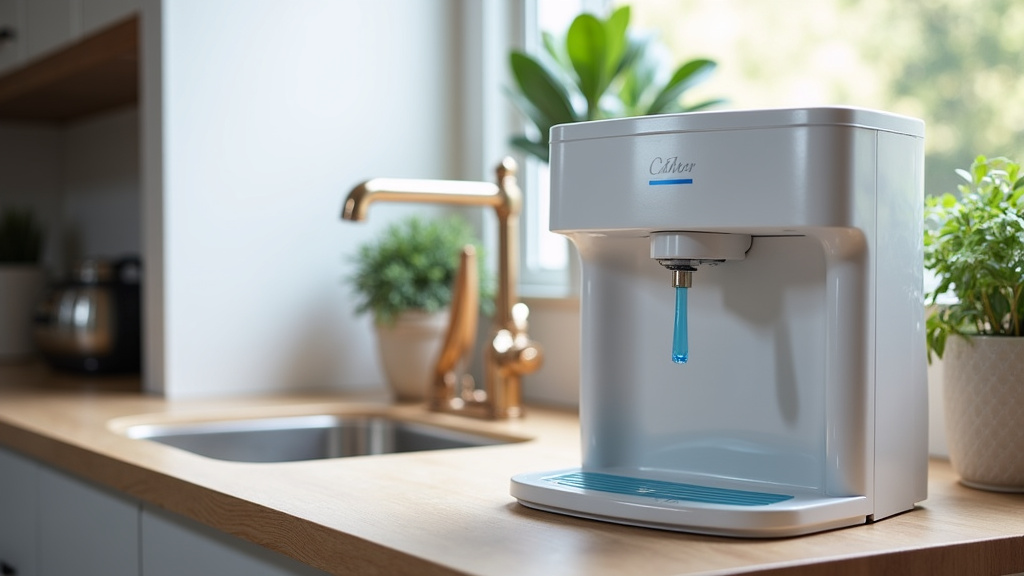
Key Features to Look For in Any Dispenser
Regardless of the name, some features matter most. You want safety (child locks), convenience (easy-to-use taps), and efficiency (ENERGY STAR rating). Don’t be swayed by fancy terminology. Focus on what makes daily use easier for you and your family.
Consider the dispensing height. Can you fit your favorite water bottle underneath? Check the noise level. A loud compressor can be annoying in a quiet kitchen. Think about the waste water ratio in RO systems—some produce more water down the drain than they give you in the glass.
Maintenance: A Universal Need
All water dispensers need regular care to keep water tasting fresh and prevent bacteria buildup. The CDC recommends cleaning the reservoir and drip trays every 1 to 3 months. For bottled coolers, you must clean the reservoir before each new bottle is placed. For POU systems, you must replace filters on schedule. For easier maintenance, self-cleaning dispensers can reduce manual cleaning efforts.
A simple solution of vinegar and water or a commercial sanitizer works well. A neglected dispenser can become a breeding ground for mold and biofilm. This isn’t something to skip, especially if you have a vulnerable person in your home.
A Practical Guide to Choosing Your Dispenser
Ready to pick one? Start by asking yourself these questions. Your answers will point you to the right type.
- Where will it live? Kitchen counter, office corner, or bedroom?
- Who will use it? Just you, or kids and guests too?
- What’s your priority? Lowest upfront cost, lowest long-term cost, or easiest installation?
- Do you want hot water for tea or instant soup? If yes, a hot/cold model is essential.
If you rent an apartment, a bottled cooler or a simple countertop POU model might be best. No permanent installation needed. If you own your home and value sustainability, a POU system is a smart investment.
Your Quick Shopping Checklist
Use this list when browsing online or in a store. It covers the essentials.
- Identify the type: Bottled cooler or point-of-use (POU)?
- Check for safety features like child locks on the hot tap.
- Confirm filter replacement cost and schedule for POU models.
- Measure the space and the height under the dispenser.
- Look for an ENERGY STAR certification to save on electricity.
- Read reviews about noise level and ease of cleaning.
Ultimately, a water dispenser is your kitchen sidekick. Whether you call it a cooler, a POU, or a hot and cold dispenser, its job is the same: to give you safe, refreshing water without a fuss. You deserve that simplicity.