What Is a Bottleless Water Dispenser? A Quick Guide
On this page (6 sections)
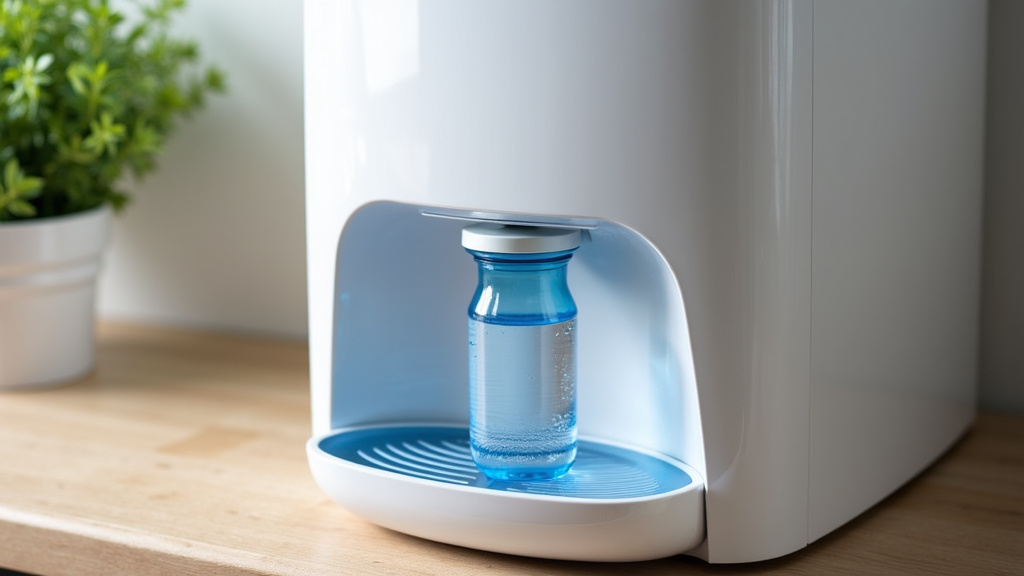
A bottleless water dispenser is a plumbed-in water cooler that connects directly to your home or office’s water supply. It filters and chills your water on demand, so you never have to worry about running out of bottled water again.
Think of it as a self-replenishing water source right in your kitchen or breakroom. A refrigerator with a built-in water dispenser is another kitchen option. Instead of heavy jugs and regular deliveries, you get clean, great-tasting water whenever you need it, all while reducing plastic waste. It’s a smart, convenient, and eco-friendly choice for staying hydrated.
- Connects directly to your water line.
- Filters and chills water instantly.
- No more heavy water bottles.
- Reduces plastic waste.
- Convenient and eco-friendly.
Ready to learn more about how these handy dispensers work and if one is right for you? We’ve got you covered.
Understanding Bottleless Water Coolers
A bottleless water dispenser is essentially a water filter and cooler all in one unit. Compare residential and commercial dispensers to see how their needs differ. It hooks directly into your home or office plumbing. Clean, fresh water is then filtered and chilled on demand. You never have to worry about storing bulky water bottles. It’s a modern solution for convenient hydration.
How They Work: From Tap to Glass
The magic happens through a straightforward process. Your home’s tap water enters the dispenser. Inside, it passes through a series of advanced filtration stages. These filters remove impurities like sediment, chlorine, and potentially lead. After filtering, the water is chilled to your desired temperature. It’s then dispensed, ready to drink.
The Filtration Process Explained
Most bottleless coolers use a multi-stage filtration system. This usually starts with a sediment filter. It catches larger particles like dirt and rust. Next, an activated carbon filter tackles chemicals. This includes chlorine, which can affect taste and odor. Some systems also include more specialized filters. These might target specific contaminants like heavy metals or microorganisms. Many units also offer a UV sterilization stage. This helps kill bacteria and viruses, ensuring a truly pure water.
Chilling and Heating Capabilities
Beyond simple filtration, these dispensers offer temperature control. Most units provide cold water on demand. Many also come with a hot water option. This is perfect for making tea, instant coffee, or oatmeal. The heating element typically reaches temperatures around 185-195°F (85-90°C). You can usually choose between cold and hot, or sometimes room temperature water. Some high-end models might even offer ice-cold water.
Benefits of Going Bottleless
Switching to a bottleless water dispenser offers several advantages. You can save money and reduce your environmental footprint. Plus, you gain unparalleled convenience. Let’s break down why so many people are making the switch.
Cost Savings Over Time
While the initial purchase price might seem higher than a basic water jug, bottleless dispensers often save you money long-term. Think about the recurring cost of bottled water deliveries. You pay for the water, the bottles, and the delivery service. With a bottleless unit, you only pay for the electricity it uses and occasional filter replacements. Over months and years, this can add up to significant savings. We found that many users report lower overall hydration costs after making the switch.
Environmental Impact Reduction
The environmental benefits are substantial. Bottled water production creates a lot of waste. Plastic bottles take hundreds of years to decompose. Transporting heavy water bottles also contributes to carbon emissions. By using a bottleless cooler, you drastically cut down on plastic waste. You also reduce the energy used in manufacturing and transporting single-use bottles. This makes it a far more sustainable choice for your home or workplace. Many environmental groups highlight this as a key reason to adopt these systems.
Unmatched Convenience and Accessibility
Imagine never having to lift a heavy water jug again. No more running out of water at an inconvenient time. No more scheduling deliveries. A bottleless dispenser provides water whenever you need it. Just press a button or a lever. The filtered, chilled water flows instantly. It’s like having a personal, on-demand water source. This convenience is a major selling point for busy households and offices alike. You always have access to clean drinking water.
Improved Water Quality and Taste
Many users report that filtered water from these dispensers tastes better. The advanced filtration systems remove chlorine and other impurities. These can often impart an unpleasant taste or odor to tap water. You get pure, crisp, refreshing water every time. You can also trust that you are drinking cleaner water. For example, the National Health Service (NHS) in the UK recommends filtered water as a safe and economical way to improve tap water quality.
Bottleless Dispenser vs. Traditional Water Coolers
Comparing the two types of water coolers highlights the advantages of the bottleless model. Traditional coolers rely on large plastic bottles, while bottleless units connect to your water line.
| Feature | Bottleless Water Dispenser | Traditional Bottled Water Cooler |
|---|---|---|
| Water Source | Directly from your home/office water line | Large, replaceable plastic bottles (e.g., 5-gallon jugs) |
| Filtration | Built-in, multi-stage filters | Relies on the water quality in the pre-filled bottles |
| Convenience | Constant supply, no bottle changes or deliveries | Requires bottle lifting, storage, and scheduled deliveries |
| Waste | Minimal plastic waste (filters are replaced periodically) | Significant plastic bottle waste and disposal issues |
| Cost | Lower long-term operating cost after initial purchase | Ongoing costs for bottles and delivery fees |
| Space | Compact unit, no need to store extra bottles | Requires space for water bottles and the cooler unit |
Choosing the Right Bottleless Dispenser for You
Selecting the ideal bottleless water dispenser involves considering a few key factors. Think about your specific needs and preferences to make the best choice.
Filtration Needs
Consider what you want your dispenser to filter. Most come with standard carbon and sediment filters. If your tap water has specific issues, like high levels of lead or particular minerals, you may need a model with advanced filtration stages. Check the specifications for NSF certifications. These indicate independent testing for contaminant removal. For instance, NSF/ANSI Standard 53 is a good indicator for health-related contaminants. Many experts suggest looking for NSF 42 certification for aesthetic qualities like taste and odor reduction.
Capacity and Usage
Think about how much water you and others will drink. For a single person or a small office, a standard unit might suffice. For larger families or busy workplaces, you might want a dispenser with a higher cooling capacity. This ensures you always have enough cold water available, even during peak times. Some models offer different tank sizes for chilling and heating.
Cold, Hot, and Ambient Options
Decide if you need hot water. If you frequently make hot beverages, a model with a hot water dispenser is essential. Some people prefer room temperature water alongside cold. Many dispensers offer three-way taps: cold, hot, and ambient. This versatility can be very appealing. It means you have every temperature option readily available.
Maintenance and Filter Replacement
All water filtration systems require maintenance. You will need to replace the filters periodically. This is typically every 6 to 12 months, depending on the model and water usage. Some systems have indicator lights to remind you. Factor in the cost and availability of replacement filters when making your decision. It’s wise to research filter costs before you buy.
Space and Design
Bottleless water dispensers come in various sizes and styles. Consider where you plan to place the unit. Measure the available space carefully. Look for designs that complement your kitchen or office decor. Some units are countertop models, while others are freestanding. Think about ease of access and how it will fit into your daily routine.
Here’s a quick checklist to help you decide:
- Do you want hot water capability?
- How much water do you typically consume daily?
- What specific contaminants do you want to filter out?
- Where will the dispenser be located?
- What is your budget for the unit and ongoing filter costs?
- Are filter replacements easily accessible for the model you’re considering?
Conclusion
You’ve learned how a bottleless water dispenser offers a smart upgrade to your hydration routine. By connecting directly to your water line, these units provide a continuous supply of filtered and chilled water. This means saying goodbye to heavy bottles and constant deliveries. You gain convenience, save money over time, and significantly reduce your environmental impact. Considering a bottleless dispenser is a practical step toward cleaner, more accessible drinking water at home or work. Your next step is to assess your household’s water usage and filtration needs to find the perfect model for your space.
Frequently Asked Questions
How often do I need to replace the filters?
Filter replacement schedules vary by model and your water usage. Most bottleless dispensers require filter changes every 6 to 12 months. Some units have indicator lights to remind you when it’s time for a change.
Is the initial cost of a bottleless dispenser worth it?
While the upfront cost can be higher than traditional coolers, bottleless dispensers often prove more economical long-term. You save on recurring costs for bottled water and deliveries. Many users report lower overall hydration expenses over several years.
Can I install a bottleless water dispenser myself?
Installation can be a DIY project if you are comfortable with basic plumbing. However, professional installation is recommended to ensure a proper and leak-free connection to your water line. Check your unit’s manual for specific guidance.
What kind of maintenance is required for these dispensers?
Maintenance primarily involves periodic filter replacements and occasional cleaning of the unit’s exterior and drip tray. Some models may also benefit from periodic descaling, especially if you have hard water.
Do bottleless dispensers remove common tap water contaminants?
Yes, most bottleless dispensers feature multi-stage filtration designed to remove common impurities. This includes sediment, chlorine, and other substances that affect taste and odor. Always check the filter specifications for specific contaminant removal claims.


