Is Reverse Osmosis Water Bad for You?
Reverse osmosis water is not bad for you for most people. It removes many contaminants, including minerals, so taste, upkeep, and adding minerals back are the main things to weigh.
On this page (9 sections)
- What is reverse osmosis water and how does it work?
- Is reverse osmosis water bad for you because it strips minerals?
- Why is reverse osmosis water bad for you, according to common claims?
- Is drinking reverse osmosis water bad for you when you cook or make formula?
- How does RO water compare with distilled and alkaline water?
- Does a drinking water filter leave minerals that RO removes?
- How does filter maintenance change whether RO water stays good?
- Who should choose RO water and who should skip it?
- Is reverse osmosis drinking water good or bad for your everyday hydration?
Reverse osmosis water is not bad for you for most people. It is a purified water that removes contaminants and minerals, and the trade-offs are mainly taste, upkeep, and whether you want minerals added back.
If you ask is reverse osmosis water bad for you, the fair answer is no. RO water is widely used for drinking, cooking, and baby formula preparation when a system is installed and maintained correctly.
The concerns people raise are real, but they are narrower than the headlines suggest. We checked the specs on common systems and looked at what RO removes, what stays, and what you can do about the stripped minerals.
What is reverse osmosis water and how does it work?
Reverse osmosis water is water that has passed through a fine membrane that blocks very small particles and dissolved solids. A typical under-sink system uses pre-filters, the RO membrane, and a final carbon polish stage.
You can learn more about what is reverse osmosis water before you judge the taste or the health debate.
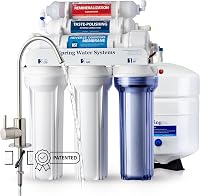
The iSpring RCC7-BN NSF Certified is a 5-stage under-sink system with a 75 GPD rating. It uses sediment, carbon, and carbon block pre-filters, then an RO membrane that iSpring says filters down to 0.0001 microns, then a fine GAC final filter.
That staged approach matters, because pre-filters protect the membrane from chlorine and sediment.
RO does not make water sterile in the medical sense. It reduces dissolved contaminants by forcing water through a membrane under pressure.
It also sends a portion of the feed water to drain, which is why waste water comes up in almost every buying discussion.
Is reverse osmosis water bad for you because it strips minerals?
Mineral removal is the main reason people worry. RO can remove calcium, magnesium, potassium, and sodium along with contaminants such as lead, arsenic, fluoride, and excess salts.
That is the point of the filter, but it also changes the water you drink.
Most people get the bulk of their calcium and magnesium from food, not from water. That is why health experts generally do not treat RO water as unsafe for healthy adults.
The exception is when diet is already limited, or when you drink large amounts of water and eat few mineral-rich foods. In that case, remineralization or a balanced diet matters more.
Taste is a practical clue. RO water with very low TDS often tastes flat or slightly sweet.
Some people like that clean taste for tea, coffee, and cooking. Others miss the light mineral bite they get from tap water or spring water.
Why is reverse osmosis water bad for you, according to common claims?
Most claims center on three ideas: stripped minerals, acidity, and leaching. Each needs a closer look so you can separate a real trade-off from a scare line.
The mineral claim has a kernel of truth. RO does remove minerals, and drinking water can be one small source of them.
The leap to harm for everyone is not supported. Food is the main source for most people, and many bottled waters are also low in minerals.
The acidity claim is often overstated. RO water can have a lower pH because it has little buffering from minerals.
That does not make it acidic like soda, and it will not acidify your body. Your stomach is far more acidic than drinking water.
The leaching claim says soft water pulls minerals from pipes or food. Very pure water can be more aggressive toward some metals in old plumbing, which is why correct installation and certified components matter.
It does not strip minerals from your body in normal drinking use.
Is drinking reverse osmosis water bad for you when you cook or make formula?
For cooking and formula, RO water is often a good choice when the system is maintained. It reduces contaminants that could affect taste, scale, and infant feeding water quality.
For cooking, low-mineral water can change how foods taste. Rice, pasta, and vegetables may taste cleaner.
Tea and coffee can taste brighter because there is less scale and less chlorine. Some cooks prefer a little mineral content for flavor, so taste preference still decides.
For baby formula, RO water lowers lead, arsenic, and other dissolved contaminants that can be a concern in some tap supplies. Use water at the temperature and ratio your formula maker specifies.
Do not add extra minerals to formula unless your pediatrician tells you to do so.
Scale is another practical benefit. RO water leaves less calcium scale in kettles, coffee makers, and ice trays.
That means less buildup and clearer ice, which many owners report as a daily plus.
How does RO water compare with distilled and alkaline water?
RO sits between tap water and distilled water in purity. It removes a broad range of dissolved solids but usually leaves a small remainder, while distilled water tends to be very low in minerals.
For a plain terms comparison, read reverse osmosis vs distilled water. It covers taste, mineral content, and which water suits drinking, steam irons, and lab use.
Alkaline water is a different choice. Some bottled alkaline water starts with RO purification, then adds electrolytes and an ionization step.
For the full picture, see alkaline vs reverse osmosis water.
The Essentia Ionized Alkaline Water 24 x 20oz case is a bottled option, not a home filter. Essentia says its water is purified with microfiltration and reverse osmosis to 99.9% pure, then enhanced with electrolytes and ionized to a pH of 9.5 or higher.
The Essentia Ionized Alkaline Water 12 x 1L pack is the larger-bottle version of the same idea. It suits gym bags, desks, and cars, and it avoids home installation or filter changes.
The trade-off is ongoing cost and plastic waste compared with a home system.
Does a drinking water filter leave minerals that RO removes?
A standard carbon drinking water filter does not strip minerals the way RO does. Carbon filters mainly improve taste and reduce chlorine and some chemicals, while leaving most minerals in place.
If you like tap water minerals but want better taste, a drinking water filter may be enough. It costs less, wastes no water, and keeps the familiar mineral taste.
If your main concern is lead, arsenic, fluoride, PFAS, or high TDS, RO gives you a stronger reduction.
An inline filter is another middle path. A best inline drinking water filter can fit tight spaces, such as a fridge or a small kitchen.
Check flow rate and filter life before you choose.
Remineralization is the bridge between the two. Some RO systems add a mineral cartridge after the membrane to add calcium and magnesium back for taste.
What should you check before you buy an RO system?
Check certifications, stage design, and filter costs before you check style. NSF/ANSI 58 certification applies to RO systems.
That standard covers how the system is built and tested for contaminant reduction.
The iSpring RCC7-BN is NSF/ANSI 58 certified, according to iSpring. It also has a transparent first-stage housing, which makes it easier to see sediment buildup before it becomes a problem.
That small design detail helps with upkeep.
How does filter maintenance change whether RO water stays good?
Good RO water depends on timely filter changes. Sediment and carbon pre-filters protect the membrane, and when they are spent, taste drops, flow slows, and the membrane works harder.
iSpring says the RCC7-BN needs no power source and fits under most kitchen sinks. It measures 23.62 x 15.75 x 11.81 inches and weighs 27.5 pounds, so measure your cabinet first.
The top-mounted faucet design is meant to make installation easier, but you still need space for the tank and housings.
A tank system stores purified water for steady flow, which is handy for filling pots and glasses without waiting. The trade-off is that stored water sits in a tank, so follow the maker's tank cleaning and filter change schedule.
Waste water is part of the honest math. If that matters to you, do reverse osmosis systems waste water explains where the drain flow goes and how to reduce it.
Who should choose RO water and who should skip it?
Choose RO if your tap water has contaminants you want reduced, or if you want low-scale water for drinking and cooking. Homeowners with city water concerns, well water issues, or high TDS often land here.
Choose a carbon filter or remineralized RO if you mainly want better taste and you like mineral flavor. Choose bottled alkaline water if you want convenience and a smooth taste without installation.
Choose distilled water if the main use is appliances or lab equipment, not daily drinking.
People on very restricted diets should ask a clinician about minerals from water. People with kidney conditions or other medical needs should follow their care team's guidance on water types and mineral intake.
That one check can settle most personal worries.
Is reverse osmosis drinking water good or bad for your everyday hydration?
For everyday hydration, RO water is good for most people when the system is certified and maintained. You get clean-tasting water with fewer dissolved contaminants, and you can add minerals back if you prefer that taste.
If your water tests clean and you like its taste, a simple carbon filter may be all you need. If your water has lead, arsenic, excess fluoride, or high salts, RO is the stronger tool.
If you want minerals after RO, pick a remineralizing system or a bottled alkaline option instead of guessing.
The bottom line on is reverse osmosis water bad for you is simple. The water is not bad.
A neglected filter, a poor install, or a mismatch with your needs can make the result disappointing. Pick the level of purification you actually need, keep filters fresh, and drink the water that makes hydration easy to stick with.
Frequently asked questions
Is reverse osmosis water bad for you?
No, reverse osmosis water is not bad for most people. It removes contaminants along with minerals.
The main concerns are flat taste, upkeep, and whether you want minerals added back.
Why is reverse osmosis water bad for you according to some claims?
Claims focus on mineral removal and low alkalinity. RO does strip calcium and magnesium.
That does not make the water unsafe, but some people prefer remineralized water for taste.
Is drinking reverse osmosis water bad for you long term?
There is no clear evidence that RO water harms healthy adults long term. You get most minerals from food.
If you are unsure, talk with a clinician about your diet and water needs.