Reverse Osmosis vs Distilled Water: Which Should You Choose? (November 2026)
Choose reverse osmosis for daily drinking water at home and distilled water for appliances and devices that call for mineral-free water. In this reverse osmosis vs distilled water comparison, your main use matters more than which water sounds purer.
On this page (13 sections)
- Reverse osmosis vs distilled water: the quick verdict
- How reverse osmosis makes water
- How distillation makes water
- Reverse osmosis vs distilled water side by side
- Which water tastes better for drinking?
- Which water should you use in appliances?
- Which water should you use in a CPAP machine?
- What equipment does each choice need?
- Whole house RO or a point-of-use system?
- How much upkeep does each choice need?
- Which choice saves plastic and effort?
- Who should buy which?
- Reverse osmosis vs distilled water: our verdict
Choose reverse osmosis for daily drinking water at home and distilled water for devices that need mineral-free water. Reverse osmosis vs distilled water is not a contest with one winner for every use.
Your sink, your appliances and your CPAP machine may each need a different type.
RO water comes from a filtration system under your sink. Distilled water comes in bottles made by boiling and condensing water.
That basic difference shapes taste, equipment, upkeep and where each water belongs.
This comparison looks at how each method works, what each water tastes like, what you must buy and maintain, and which products fit each job. We checked the specs and compared the methods side by side.

Reverse osmosis vs distilled water: the quick verdict
Reverse osmosis fits daily drinking water, and distilled water fits appliances and some medical devices. Pick the water by the job it will do, not by which name sounds purer.
If you want a dedicated faucet for drinking, cooking and filling bottles at home, an under-sink RO system gives you water on demand. If you need water with almost no minerals for a CPAP machine or a small appliance, bottled distilled water is the direct choice.
Many homes end up using both. An RO system can handle drinking water, while a few gallons of distilled water stay in a cabinet for devices.
That split saves you from forcing one water to do every job.
Our score weighs specs, features and buyer feedback against what you are shopping for. The scores below show how well each product fits its main job in this comparison.
How reverse osmosis makes water
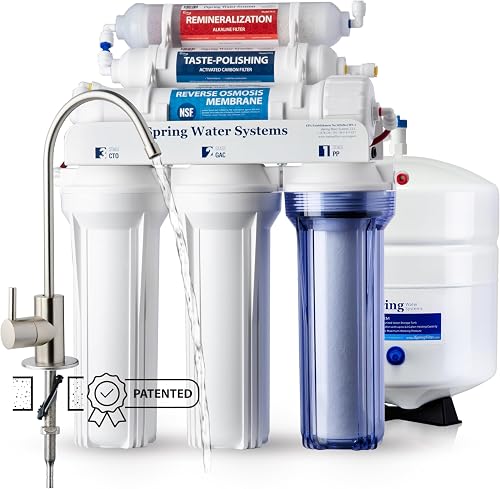
Reverse osmosis pushes water through a fine membrane that blocks many dissolved contaminants. A home system uses several stages before water reaches your faucet.
Prefilters remove sediment and chlorine that can harm the RO membrane. The membrane then does the main work.
A final filter often polishes taste before the water leaves the faucet.
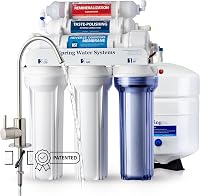
The iSpring systems here use that staged approach. The 5-stage RCC7-BN uses prefiltration, an RO membrane and a fine GAC final filter.
The 6-stage RCC7AK-BN adds a mineral stage for alkaline water.
RO systems need space under the sink, a storage tank and a dedicated faucet. They also need filter changes on a schedule.
That upkeep is the price for water on demand without buying bottles.
For a plain-language look at the result, read what is reverse osmosis water. It explains what RO water is and how it differs from plain filtered tap water.
How distillation makes water
Distillation boils water into vapor, then condenses the vapor back into liquid. That heat process leaves most minerals and dissolved solids behind.
Distilled water therefore has a very low mineral content. It can taste flat to some people, since minerals often give drinking water its flavor.
That flat taste is a clue that the water is not the same as lightly mineralized water.
You do not make distilled water at home with a typical water filter. You buy it in bottles, often in gallon jugs for home use or small bottles for travel.
A still can make it, but that is a different piece of equipment from an RO system.
Distilled water suits uses where mineral buildup is the problem. Small appliances, steam tools and some medical devices call for it for that reason.
The maker of the device should be your guide.
Reverse osmosis vs distilled water side by side
RO water is made at your sink for drinking, and distilled water is bought in bottles for mineral-free uses. The table below puts the main differences in one view.
| Point | Reverse osmosis water | Distilled water |
|---|---|---|
| Made by | Membrane filtration at home | Boiling and condensing, usually in bottles |
| Main use | Drinking and cooking | Appliances and devices that need low minerals |
| Taste | Light, often with some minerals left or added | Flat, with almost no minerals |
| Equipment | Under-sink system, tank and faucet | No home equipment needed if you buy bottles |
| Upkeep | Filter changes on a schedule | Repeat bottle purchases and storage |
| Supply | On demand at the faucet | Only what you have bought and stored |
Use this table as a starting point, then read the sections below for taste, cost and device use. Each point can change the right choice for your home.
For a wider view of home filtration, our drinking water filter guide helps you compare filter types before you choose a system.
Which water tastes better for drinking?
Most people prefer RO water for daily drinking, since distilled water often tastes flat. Taste is personal, but mineral content plays a large role.
RO water removes many contaminants and a large share of dissolved solids. It may still have a light mineral taste, depending on your source water and the system.
Some systems add minerals back in a later stage.
Distilled water has almost no minerals. That makes it clean in a chemical sense, but plain to drink.
For tea, coffee and cooking, that flat profile can make drinks taste less vivid.
If taste is your main concern, a mineral stage may matter. The RCC7AK-BN adds an alkaline mineral stage, while the RCC7-BN focuses on standard RO water.
Compare that choice with our guide on alkaline vs reverse osmosis water.
Which water should you use in appliances?
Use distilled water in appliances that call for it, since minerals are what cause buildup. RO water still can carry minerals that build up over time.
Steam irons, humidifiers and small appliances often come with instructions to use distilled water. Mineral deposits can affect how those devices work and how long they last.
Follow the maker instructions for your exact model.
An RO system reduces many dissolved solids, but it does not make distilled water. Using RO water in a device that calls for distilled water may still leave deposits.
The safe move is to buy distilled water for that job.
A case of gallon bottles makes sense if you use distilled water often at home. Small bottles make more sense if the need is tied to travel.
The next sections cover those two cases.
Which water should you use in a CPAP machine?
Use distilled water in a CPAP machine when the maker calls for it. Your device manual is the source that matters here.
CPAP makers often call for distilled water to limit mineral buildup inside the machine. That guidance is about the device, not a general claim about drinking water.
Do not swap in RO water unless the maker allows it.
Travel can make gallon jugs hard to carry. Small single-serve bottles solve that problem by fitting in a bag.
You can pack only what you need for the trip.
If you want to know more about RO water and health questions, read is reverse osmosis water bad for you. It keeps the focus on drinking water rather than device instructions.
What equipment does each choice need?
RO water needs an installed system, while distilled water needs storage space for bottles. That difference affects space, setup and daily habits.
An under-sink RO system needs room for the unit and a storage tank. It also needs a dedicated faucet and connections to your cold water line.
Most owners hire a plumber or follow the maker instructions for a do-it-yourself install.
Distilled water needs no plumbing or power. You buy bottles and store them where you can lift them safely.
A case of 12 one-gallon bottles is heavy, so plan where it will sit before it arrives.
RO systems also need filter changes. Each stage has its own life, and the RO membrane lasts longer than prefilters.
A clear first-stage housing helps you see sediment buildup before it becomes a problem.
Our guide on reverse osmosis filter change explains the upkeep side in more detail. Read it before you buy, so the maintenance fits your habits.
Whole house RO or a point-of-use system?
A point-of-use RO system makes sense for drinking water, while a whole house system is a much larger project. Most homes do not need RO water from every faucet.
Drinking and cooking are the main uses for RO water. A system under the kitchen sink covers those uses without filtering water for toilets, showers and laundry.
That keeps the equipment and upkeep focused where you drink.
A whole house system treats all the water entering your home. It needs more space, more capacity and a plan for drainage and waste water.
It can make sense for specific water problems, but it is not the first step for most buyers.
If you are weighing that larger option, read reverse osmosis system whole house. It helps you judge whether a whole house system fits your needs or whether a kitchen system is enough.
You may also wonder about waste water from RO systems. Our post on do reverse osmosis systems waste water covers what that means and what to ask before you buy.
How much upkeep does each choice need?
RO water needs filter changes, and distilled water needs repeat trips and storage. Neither choice is care free, but the work is different.
An RO system needs prefilter changes on a regular schedule. The RO membrane and final filter have longer lives.
If you ignore changes, taste and performance can drop, and the membrane can work harder.
Distilled water needs no filter changes, since you buy it ready to use. The work shifts to buying, carrying and storing bottles.
A gallon weighs about 8 pounds, so a full case is a lift you should plan for.
RO upkeep also includes checking for leaks at connections. Push-to-connect fittings help with installation, but you should still inspect the area under the sink after setup.
A drip tray or leak check adds peace of mind.
Ask yourself how you feel about each task. Some people prefer a yearly filter change to weekly bottle shopping.
Others prefer buying bottles to installing a system. Your habit matters as much as the water type.
Which choice saves plastic and effort?
RO water reduces bottle purchases for drinking, while distilled water still comes in bottles. If you drink a lot of water at home, that difference adds up.
An under-sink system lets you fill a bottle or glass at the faucet. You still need bottles for distilled water uses, but drinking water no longer depends on store trips.
That can cut a steady stream of single-use bottles.
Distilled water in gallon jugs creates fewer bottles than water in small bottles. For home use, gallons make sense.
For travel, small bottles are easier to carry but create more packaging per ounce.
Effort matters too. Turning a faucet is less work than carrying a case of gallons into your home.
If you use distilled water only now and then, a few gallons in a cabinet may be enough.
If you already use a countertop dispenser or cooler for bottled water, RO water can change that habit. Our guide on [Why Choose a Bottom Load Water Dispenser?
The Key Facts](/why-choose-a-bottom-load-water-dispenser/) explains a different way to handle bottled water at home.
Who should buy which?
Buy RO for daily drinking at home, and buy distilled water for devices and appliances. Use this section to match the choice to your household.
Choose an RO system if you drink tap water and want a dedicated faucet for drinking and cooking. Choose the 5-stage RCC7-BN for standard RO water.
Choose the 6-stage RCC7AK-BN if you want an alkaline mineral stage.
Choose distilled water in gallons if you use it at home for small appliances or a CPAP machine. Choose small distilled bottles if travel is the main issue and you want to pack just enough.
Choose both if you drink RO water and still need distilled water for a device. That is a common setup, not a contradiction.
Each water does the job it is made for.
Skip RO if you cannot spare under-sink space or you do not want filter upkeep. Skip bottled distilled water as your only plan if you go through many gallons and dislike carrying them.
In those cases, rethink the setup before you buy.
Reverse osmosis vs distilled water: our verdict
Pick reverse osmosis for drinking water and distilled water for mineral-free device use. That split gives you the best result in most homes.
For drinking water, an under-sink RO system puts filtered water at your faucet. The RCC7AK-BN suits homes that want alkaline mineral water, and the RCC7-BN suits homes that want standard RO water.
Both are 75 GPD systems for under-sink use.
For distilled water, gallon bottles suit home stock, and small bottles suit CPAP travel. The Poland Springs case gives you 12 gallons for home use.
The AQUAPAP bottles give you 8 ounce units for trips.
Start with the use that matters most to you. If that use is drinking, look at an RO system.
If that use is a device that calls for distilled water, buy distilled water and follow the maker instructions.
Frequently asked questions
Is reverse osmosis water the same as distilled water?
No. Reverse osmosis water passes through a membrane at home, while distilled water is made by boiling water into vapor and condensing it.
Both remove many dissolved solids, but they are made in different ways and suit different uses, such as drinking water or appliance use.
Can I drink distilled water every day?
Many people do drink distilled water, but it has almost no minerals and a flat taste. If you prefer minerals in drinking water, an RO system with a mineral stage or a standard RO system may suit daily drinking better.
Talk with a clinician if you have a specific health need.
Can I use RO water in a CPAP machine?
Use the type your CPAP maker directs you to use. Some makers call for distilled water to limit mineral buildup in the machine.
RO water is not the same as distilled water, so check your device instructions before you switch.
Which is cheaper over time, RO or distilled water?
An RO system has an upfront cost plus filter changes, while bottled distilled water has repeat purchase and carrying costs. Your water use, local water quality and device needs decide which total cost fits.
Compare filter schedules with how many gallons you buy.
Do I need distilled water at home if I have an RO system?
You may still need distilled water for a CPAP machine, steam iron or small appliance that calls for it. An RO system makes drinking water, not distilled water.
Keep a small supply of distilled water for those uses and use RO water for drinking.