How Does Reverse Osmosis Work?
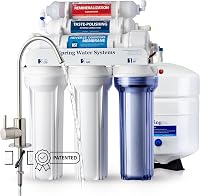
How reverse osmosis works is simple to picture: water is pushed under pressure through a fine membrane that blocks most dissolved contaminants. Pre-filters protect that membrane, a storage tank holds cleaned water, and a final filter polishes the taste before it reaches your faucet.
On this page (9 sections)
- What is reverse osmosis in plain words?
- How reverse osmosis works step by step
- What does reverse osmosis remove, and what does it not remove?
- Why does RO make waste water?
- How does the storage tank and faucet work?
- How do you perform reverse osmosis at home?
- How do you care for an RO system?
- RO at home compared with bottled RO water
- Which setup fits your home, and what should you check next?
How reverse osmosis works is simple to picture: water is pushed under pressure through a fine membrane that blocks most dissolved contaminants. Pre-filters protect that membrane, a storage tank holds cleaned water, and a final filter polishes the taste before your faucet.
If you are new to a drinking water filter, reverse osmosis is the step that does the deepest cleaning. It goes beyond taste and odor and targets many dissolved substances that a basic carbon filter may not reduce as much.
What is reverse osmosis in plain words?
Reverse osmosis means water moves from a more concentrated side to a less concentrated side when pressure is applied. In a home system, household water pressure does that work with help from the plumbing design.
Think of the membrane as a very fine gate. Water molecules pass through, while many salts, metals, and other dissolved particles do not.
Those rejected particles are carried away in a separate stream.
That is why RO differs from simple straining. A sediment filter catches sand and grit, but RO also reduces many much smaller dissolved contaminants.
Our guide to what is reverse osmosis water explains the finished water in more detail.
How reverse osmosis works step by step
How reverse osmosis works at home follows a clear order. Cold feed water enters the system, passes the pre-filters, crosses the membrane, then waits in a tank until you turn on the RO faucet.
The clean water side and the reject side stay separate inside the membrane housing. A flow restrictor and check valve help control that split and keep pressure where it needs to be.
This design also explains the slow drip you may hear at the start. The tank and membrane need time to build pressure, so an RO faucet does not flow like a regular kitchen faucet.
Stage 1: Sediment pre-filter
The sediment filter catches visible grit, sand, rust, and larger particles. Removing this material first protects the later filters and the membrane from clogging too quickly.
A transparent first housing makes this stage easy to inspect. You can see when sediment builds up and plan a change before flow drops.
Stage 2: Carbon pre-filters
Carbon filters reduce chlorine, chloramines, and many chemicals that affect taste and odor. They also protect the RO membrane, because chlorine can damage many thin-film membranes over time.
Many systems use two carbon steps. One is loose granular carbon and one is a carbon block, and together they prepare the water for the membrane.
Stage 3: The RO membrane
The RO membrane is the core of the system. It reduces contaminants down to a very small size, which is why it can reduce dissolved salts and many other substances.
The iSpring RCC7-BN NSF Certified uses a 5-stage design with three pre-filters, the RO membrane, and a final fine GAC filter. iSpring says the membrane reduces contaminants down to 0.0001 microns.
What does reverse osmosis remove, and what does it not remove?
RO removes many dissolved contaminants, but it is not magic. It reduces a wide range of substances, yet the exact result depends on the membrane, water pressure, temperature, and the quality of the feed water.
iSpring says its RCC7-BN reduces up to 99% of more than 1,000 contaminants, including PFAS, chlorine, fluoride, lead, arsenic, calcium, and sodium. Reverse osmosis can also remove minerals.
It also says the system reduces TDS by 80 to 90% and is certified to NSF/ANSI 58.
Certification matters here because it ties the claim to a standard test. Still, no system removes every substance completely, and some gases and very small uncharged molecules can pass more easily.
Specific questions often come up after the basic process. Readers ask do reverse osmosis systems remove nitrates, and the answer depends on membrane performance and conditions.
Readers also ask do reverse osmosis systems remove fluoride, and fluoride removal is one reason many people choose RO over a carbon-only filter.
For microbes, many people ask does reverse osmosis remove bacteria. The membrane is a strong barrier, but safe installation, intact tubing, and regular filter changes still matter.
Why does RO make waste water?
RO makes waste water because the membrane needs a constant sweep flow. As clean water passes through, rejected contaminants would build up on the surface without that flow.
So a portion of the incoming water becomes the reject stream and goes to the drain. That stream is not dirty in a dangerous sense, but it carries the concentrated contaminants the system removed.
How much waste you see depends on the system's efficiency rating, feed pressure, and how often the tank refills. Modern systems can be more efficient, but no membrane system can repeal the need for a reject flow.
We checked the trade-offs in do reverse osmosis systems waste water. That guide explains when waste is normal and when it points to a worn membrane or a plumbing issue.
How does the storage tank and faucet work?
The storage tank smooths out the slow membrane flow. The membrane fills the tank at a steady pace, and tank pressure then pushes water to the faucet when you turn it on.
That is why the first glass after a refill can take a moment. Once the tank has pressure, flow improves, and the final filter polishes the water on its way out.
A dedicated RO faucet keeps treated water separate from your regular cold water faucet. The iSpring RCC7-BN includes a brushed nickel faucet with a top-mounted design for easier installation under the sink.
Tank size and membrane output shape daily use. A 75 GPD system, like the capacity listed for the iSpring RCC7-BN, is sized for typical household drinking and cooking needs rather than whole-house supply.
How do you perform reverse osmosis at home?
How to perform reverse osmosis at home means installing the system correctly and feeding it suitable water. You do not perform the membrane process by hand, but you do control setup, pressure, and care.
Start by checking feed water quality and pressure. A system works best within its rated range, and very high TDS water can make low output TDS harder to reach.
Connect the cold water line, mount the faucet, place the unit and tank, and route tubing without sharp bends. Push-to-connect fittings should seat fully, and each connection should be checked for drips.
After setup, flush the system as the instructions direct and let the first tank fill before drinking. Then check the RO faucet for steady flow and inspect joints after the first day.
How do you care for an RO system?
Care means changing filters on schedule and keeping the system clean. Sediment and carbon filters protect the membrane, so letting them clog raises pressure on the membrane and can change taste.
Inspect the first housing often if it is clear. Replace sediment filters when they darken or flow drops, and replace carbon filters before chlorine breaks through to the membrane.
Sanitize the system when the maker calls for it or after a long idle period. Our guide to how to sanitize a reverse osmosis system walks through the safe steps.
If TDS rises over time, think first about filter age and membrane condition. iSpring notes that high source TDS and prolonged use without filter changes can both raise the TDS level after filtration.
RO at home compared with bottled RO water
Home RO gives you treated water on demand without buying cases. Bottled water gives you convenience and portability, and some bottled brands are also purified with reverse osmosis.
Essentia Ionized Alkaline Water is 99.9% pure, and Essentia says it is purified with microfiltration and reverse osmosis technology. That makes it a useful comparison point for readers who know RO water mainly from a bottle.
The 24 x 20 oz case suits gym bags, desks, and travel. It suits people who want single-serve bottles and do not want to install or maintain a home system.
Essentia also sells a 12 x 1 L pack with the same 99.9% purity and 9.5+ pH positioning. The larger bottles suit sharing at home, in a car, or during a long workday.
The trade-off is clear. Bottled RO water needs no plumbing and no filter changes, but you pay for packaging, storage, and repeated purchases.
A home system needs space and care, but it treats tap water on demand.
Which setup fits your home, and what should you check next?
Understanding how reverse osmosis works helps you match the system to your water. If your main goal is broad contaminant reduction for drinking and cooking, a multi-stage under-sink system is a strong fit.
Choose the iSpring RCC7-BN if you want a certified 5-stage system with a 75 GPD capacity, 3.4 liters per minute maximum flow, and no power needed. Its 23.62 x 15.75 x 11.81 inch size and 27.5 pound weight also tell you to measure the cabinet before you order.
Choose bottled RO water if you want zero installation and easy portability. The Essentia 20 oz case and the Essentia 1 L pack both fit that need, with different bottle sizes for different routines.
Before you buy, check your water quality, available cabinet space, and how you will replace filters. Then compare the membrane stage, the pre-filters, and the final polish, because those three parts decide how well the whole system works.
Frequently asked questions
How does reverse osmosis remove contaminants?
Pressure forces water through pores in the RO membrane that are smaller than many dissolved ions and molecules. Larger particles and many dissolved contaminants are rejected and sent to drain, while cleaner water passes through to storage.
What are the stages in a typical home RO system?
Most home systems use a sediment pre-filter, carbon pre-filters, the RO membrane, and a final polishing filter. Each stage has a job: protect the membrane, reduce chlorine and taste, remove fine contaminants, and polish the water.
Why does an RO system make waste water?
The membrane needs a flow of water to sweep rejected contaminants away, so not every drop becomes drinking water. That reject flow goes to the drain, and how much depends on efficiency, pressure, and water quality.
Does RO water need minerals added back?
Some people prefer remineralized water for taste, and some systems add minerals after the membrane. Plain RO water is still safe to drink for most households, so the choice is mainly about taste and preference.